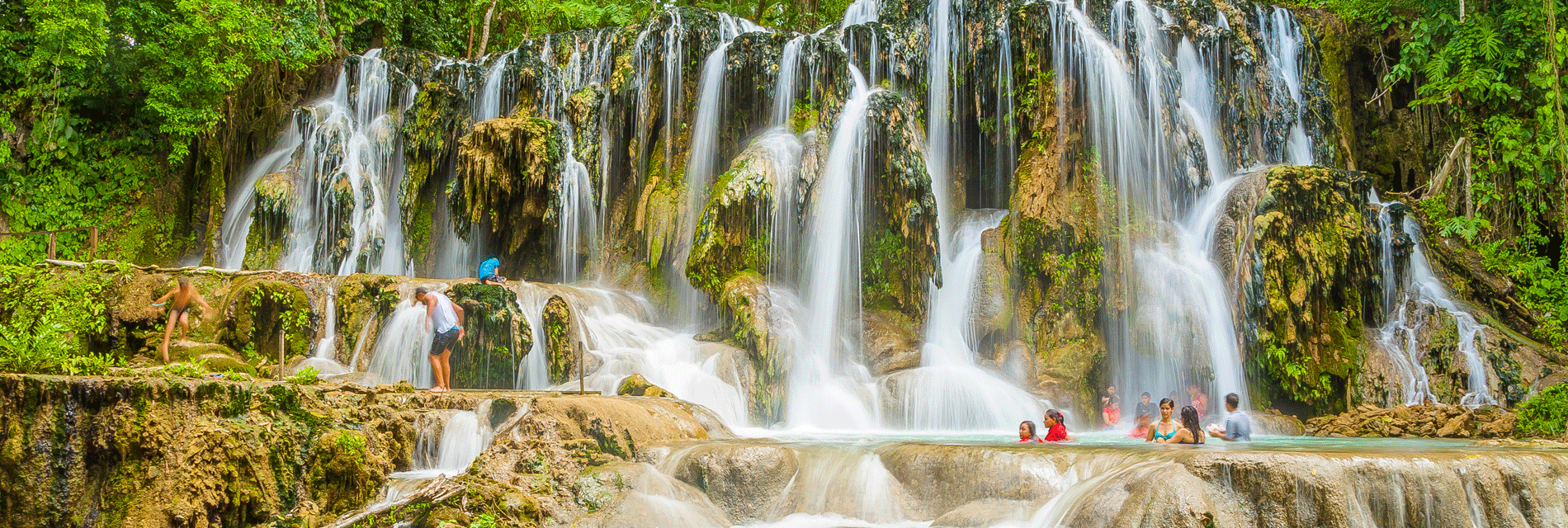


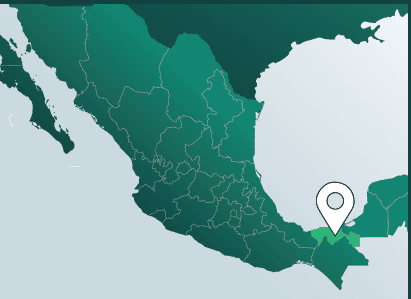
Tabasco has a strategic location in the southeast of the countryand proximity to important domestic and international markets.Additionally, the state is known for highly trained laboravailability and abundant natural resources, such as freshwater,natural gas, and electricity, which provide a solid foundation forindustrial development. The state has a surface of 24,661 km2which represents the 1.3% of the country's surface. With a totalpopulation of 2,475,236 and the economic active population of1,885,138.

Why invest into Tabasco
Investing in Tabasco, Mexico, offers significant advantages due to its strategic location, abundant natural resources, and growing infrastructure. The state is rich in oil and natural gas reserves, making it a hub for energy-related industries. Additionally, Tabasco's access to the Gulf of Mexico facilitates easy transportation and trade. The state government actively supports investment through various incentives and development programs. Furthermore, Tabasco's workforce is increasingly skilled, supported by local universities and technical institutes that ensure a steady supply of qualified professionals
General Info - Tabasco
Tabasco, located in southeastern Mexico, is a state known for its lush landscapes, rich culture, and significant economic potential. With a population of over 2.4 million people, the state is divided into 17 municipalities. Tabasco's economy is largely driven by its abundant natural resources, particularly oil and natural gas, making it a key player in Mexico's energy sector
$517 USD
Average monthly salary
2.47 M
Population
29
Years old as average age
118
Institution for higher education
24,661 km2
Total area of Tabasco
1.677km
Distance to the US-Border
Exports
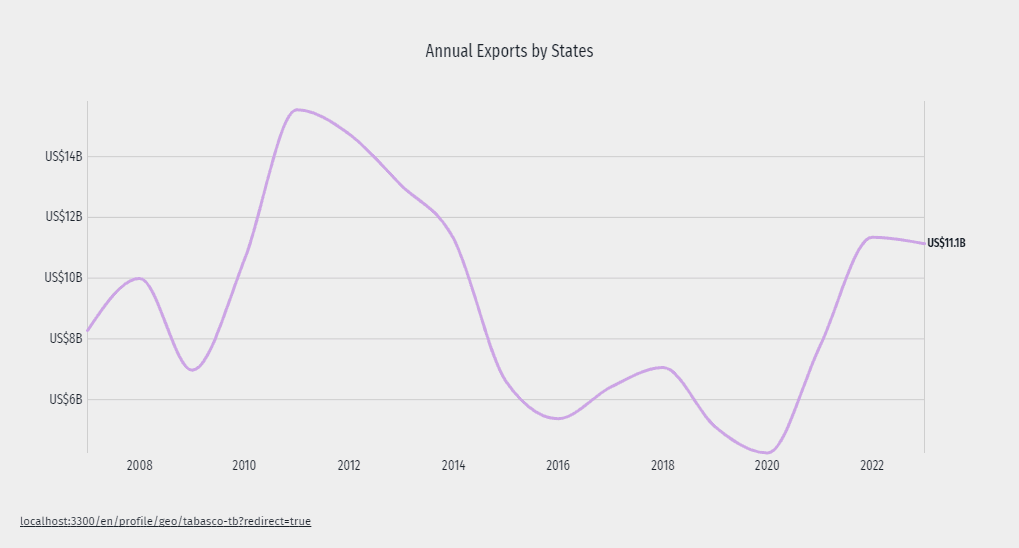
Tabasco, a state in southeastern Mexico, is renowned for its significant contributions to the country's export economy. The region is a major producer of petroleum and natural gas, which form the backbone of its export profile. Additionally, Tabasco exports agricultural products such as bananas, cocoa, and tropical fruits, capitalizing on its fertile land and favorable climate. These diverse exports play a crucial role in Tabasco's economic landscape, enhancing its trade relationships both within Mexico and internationally.
Foreign direct investment
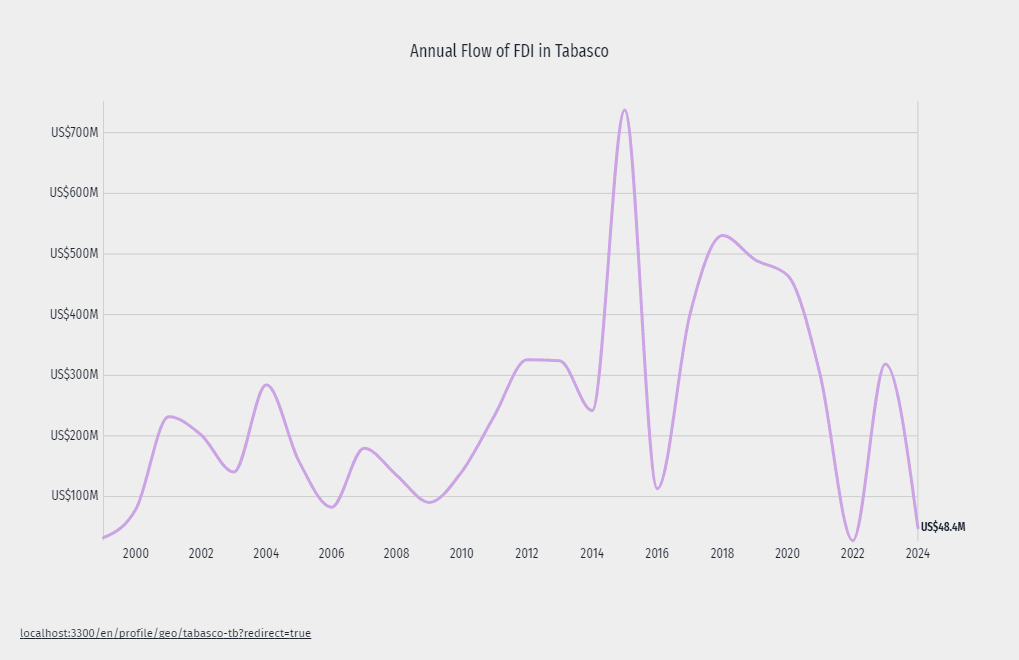
Foreign direct investment (FDI) in Tabasco, Mexico, has been pivotal in enhancing the state's economic landscape. Known primarily for its oil and gas sector, Tabasco attracts significant FDI in energy-related projects. Major multinational companies invest in exploration, extraction, and refining activities, leveraging the state's rich petroleum reserves. Beyond the energy sector, Tabasco has seen growing interest in agriculture, manufacturing, and tourism. Investments in agribusiness focus on the production and export of bananas, cocoa, and other tropical fruits. The state government actively promotes FDI through incentives and infrastructure improvements, aiming to diversify the economy and stimulate job creation and technological advancement. This strategic focus on attracting FDI is vital for Tabasco's long-term economic growth and development.
Location of Tabasco
| Mexico Cities | Km | Hours |
| Mexito City | 800 km | 11 hs |
| Merida | 600 km | 8 hs |
| Guadalajara | 1300 km | 16 hs |
| USA & Canada Cities | Km | Hours |
| Houston | 1,900 km | 22 hs |
| Los Angeles | 4.000 km | 41 hs |
| Austin | 1,900 km | 22 hs |
| Ports & Border | Km | Hours |
| Veracruz (Port) | 500 km | 7 hs |
| Puerto Arista | 400 km | 6 hs |
| Laredo (US-Border) | 1700 km | 20 hs |
The 3 Strategical Advantages of Tabasco
Tabasco, Mexico, offers key strategic advantages for investors, including direct access to the Gulf of Mexico, abundant oil and gas reserves, and well-developed infrastructure such as the Port of Dos Bocas. Additionally, it has fertile agricultural land, attractive government incentives, and a skilled workforce.
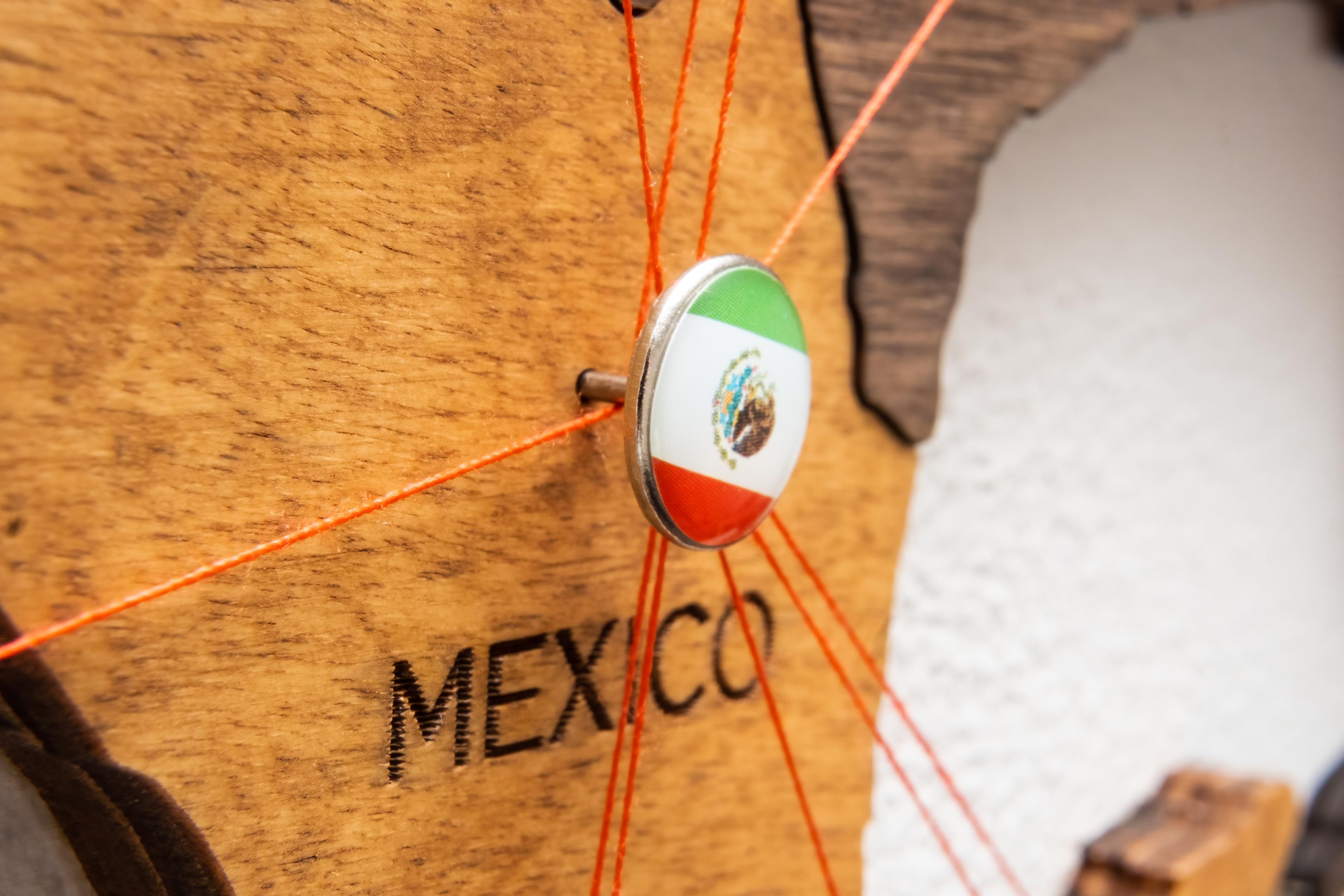
Logistics and Connectivity
The railway infrastructure, connects southeast region to USA, Europe and Asia markets, through the Interoceanic Corridor. Tabasco is the gateway for southeast bordering with Guatemala.

Research Centers and Workforce
Five research centers for industries specialized in Manufacturing, Agribusiness, Materials, Bromatological Analysis and AI. Tabasco has a skilled workforce in high-performance industry.
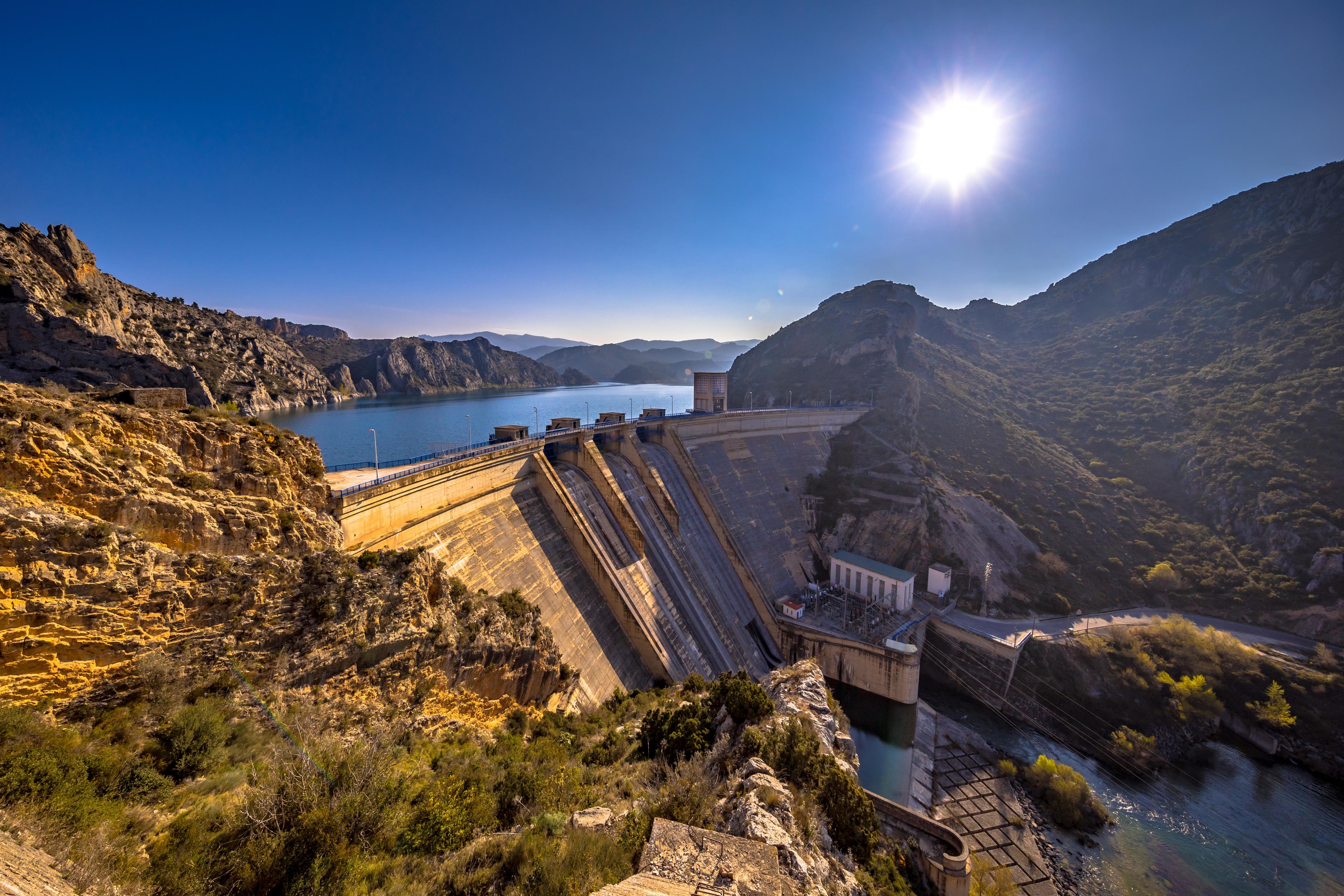
Natural Resources:
Tabasco has 35% of the country's freshwater resources, availability of 318 million cubic feet per day of Natural Gas and a 230 megawatts electricity cogeneration facility.
Main Industries
Tabasco, Mexico, hosts several key industries that drive its economy and offer significant opportunities for investment.
Oil and Gas:
Tabasco represent 35% of the GDP from oil mining concentrating the most quantity of contracts from the National bids (37).
Agribusiness
Main exports are Sugar, Persian Lemon, and Pineapple, 90% of international sales go to the US. Tabasco is the largest producer of commercial forest plantations.
Automotive
Tabasco has already entered to the supply chain for OEM’s by launching a Tier 1 production factory and electrical components.
Infrastructure of Tabasco
Tabasco's infrastructure is well-developed and continues to grow, supporting its economic activities and enhancing connectivity. The state boasts an extensive network of roads and highways, facilitating efficient transportation of goods and people. Major ports like Dos Bocas serve as crucial hubs for maritime trade, particularly for the oil industry. Additionally, Tabasco is served by several airports, including the Carlos Rovirosa Pérez International Airport in Villahermosa, ensuring robust air connectivity. Investments in energy infrastructure, such as pipelines and refineries, support the state's significant oil and gas sector. Ongoing improvements in telecommunications and public utilities further bolster Tabasco's infrastructure, fostering a conducive environment for business and investment.





Highways
Tabasco's highway network is crucial for its transportation infrastructure, facilitating the movement of goods and people across the state and beyond. Key highways include the Federal Highway 180, which runs parallel to the Gulf of Mexico coast, connecting major cities such as Villahermosa and Coatzacoalcos. Federal Highway 186 links Villahermosa with Escárcega in Campeche, providing vital east-west connectivity. Additionally, Federal Highway 195 connects Villahermosa to the Chiapas state border, further integrating Tabasco with the national road network. These highways are essential for supporting the state's economic activities, particularly in agriculture, industry, and the oil and gas sector, ensuring efficient transportation and trade logistics.

Air Freight:
Tabasco is served by several airports, with the most prominent being the Carlos Rovirosa Pérez International Airport in Villahermosa, the state capital. This airport is the main gateway for both domestic and international travelers, offering flights to major cities in Mexico and connections to international destinations. Additionally, the airport supports cargo services, playing a vital role in the region's trade and commerce. Other smaller airports and airstrips in the state cater to local and regional air traffic, including those supporting the oil and gas industry by providing access to remote areas.
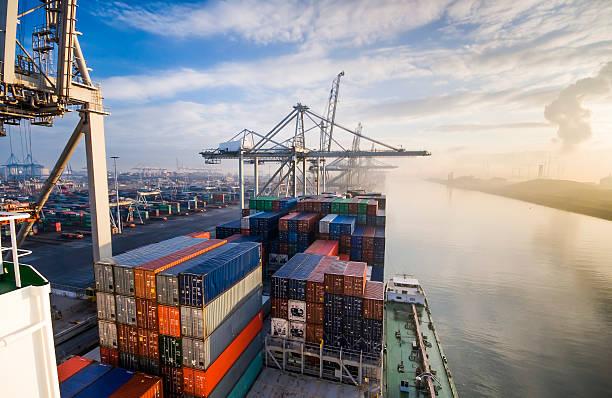
Ports
Tabasco's port infrastructure is integral to its economic activities, particularly in the oil and gas sector. The most significant port in the state is the Dos Bocas Port, located in the municipality of Paraíso. Dos Bocas serves as a major hub for the export and import of petroleum products and is a key logistical center for offshore oil operations in the Gulf of Mexico. The port features extensive facilities for handling hydrocarbons, including specialized terminals and storage tanks. In addition to Dos Bocas, Tabasco has smaller ports and maritime facilities that support local fishing, agriculture, and trade.

Railways
The main railway line running through Tabasco is part of the Ferrocarril del Sureste (Southeast Railway), which connects the state with other parts of southeastern Mexico and the broader national railway network. This railway facilitates the transport of goods, particularly agricultural products and industrial materials, to and from Tabasco, enhancing trade and economic activity. The rail connections also support the oil and gas industry by enabling the movement of heavy equipment and materials.
Skilled Labor Force & Universities of Tabasco
Tabasco has a skilled labor force supported by reputable educational institutions. Key universities like Universidad Juárez Autónoma de Tabasco (UJAT) and technical institutes such as Instituto Tecnológico de Villahermosa provide high-quality education and specialized training. These institutions produce professionals and technicians well-equipped for the state's key industries, including oil and gas, agriculture, and manufacturing, driving economic development and competitiveness.
Quality of Life in Tabasco

Health & Leisure
In Tabasco, health and leisure options are diverse, catering to both residents and visitors. The state offers modern healthcare facilities, including hospitals and clinics, providing quality medical services. Moreover, Tabasco's natural beauty, with lush jungles, rivers, and archaeological sites, offers ample opportunities for outdoor leisure activities such as hiking, birdwatching, and eco-tourism. The state's vibrant culture is showcased through festivals, music, and culinary experiences, providing rich opportunities for leisure and relaxation.

Hotels & Restaurants
In Tabasco, a wide range of hotels and restaurants cater to diverse tastes and budgets, ensuring a comfortable and enjoyable stay for visitors. Villahermosa, the state capital, boasts a selection of upscale hotels offering luxurious amenities and personalized service, such as the Hyatt Regency Villahermosa and the Marriott Hotel. For those seeking more affordable accommodations, budget-friendly options like boutique hotels and guesthouses are available throughout the city and surrounding areas.
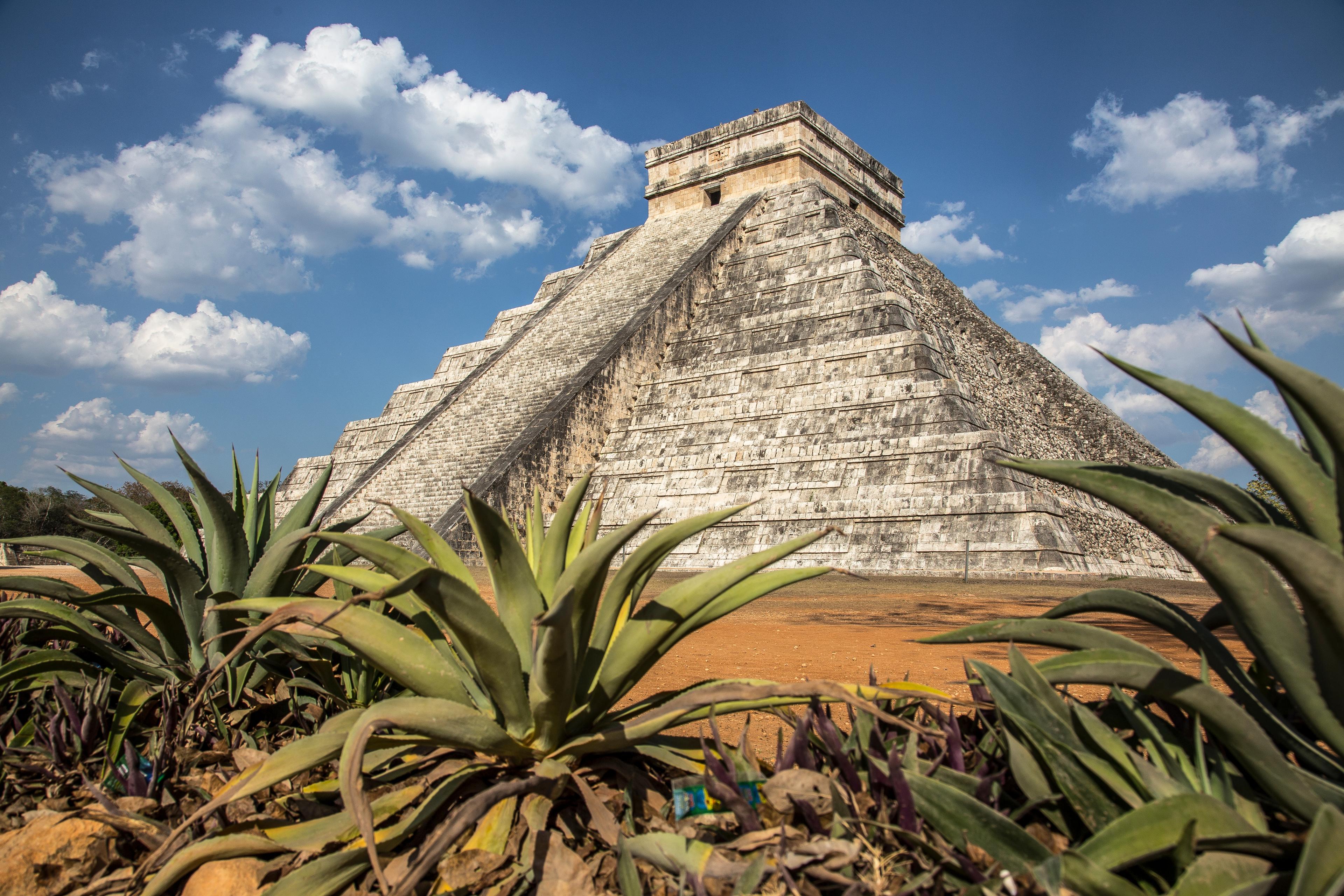
Tourism
Tourism in Tabasco offers a blend of natural wonders, cultural heritage, and outdoor activities. Visitors can explore the lush jungles of the state's nature reserves, home to diverse flora and fauna, or embark on eco-tours along the Usumacinta River, known for its stunning scenery and archaeological sites.