Mexico’s Foreign Direct Investment Outlook 2025: Record Numbers, Rising Uncertainty
Executive Summary
Mexico reached a record USD 36.87 billion in Foreign Direct Investment in 2024, but the composition and timing of those flows signal growing caution rather than acceleration.While nearshoring remains structurally relevant, Q4 2024 exposed how sensitive investment decisions have become to trade policy, political reform, and USMCA uncertainty. 2025 will be a test of confidence, not capacity.
2024: A Record Year with a Fragile Finish
Foreign Direct Investment in Mexico hit a historic high in 2024, growing 2.3% year over year. On the surface, this confirms Mexico’s continued relevance as a manufacturing and nearshoring destination.
However, the distribution over the year tells a more nuanced story.
The first three quarters showed solid momentum, driven largely by:
- reinvestment of profits by existing multinationals
- manufacturing-heavy capital allocation
- continued integration into North American supply chains
By contrast, Q4 2024 collapsed to just USD 676 million, the weakest quarterly inflow since the early NAFTA era. This sharp deceleration shifted the narrative from optimism to caution.
Key signal: Mexico is still attracting capital—but investors are pausing before committing new money.
What the Q4 Drop Really Signals
Had investment levels in Q4 matched earlier quarters, total FDI could have exceeded USD 48 billion, approaching Brazil’s 2024 levels. Instead, investors delayed decisions.
This was not driven by operational constraints, but by strategic uncertainty, including:
- renewed tariff threats from the U.S.
- political reform debates in Mexico
- lack of clarity around the 2026 USMCA review
FDI in 2024 reflects confidence in existing operations, not conviction about future expansion.
2025 Outlook: Can FDI Momentum Recover?
Foreign Direct Investment in Mexico enters 2025 facing a more complex risk landscape than a year ago.
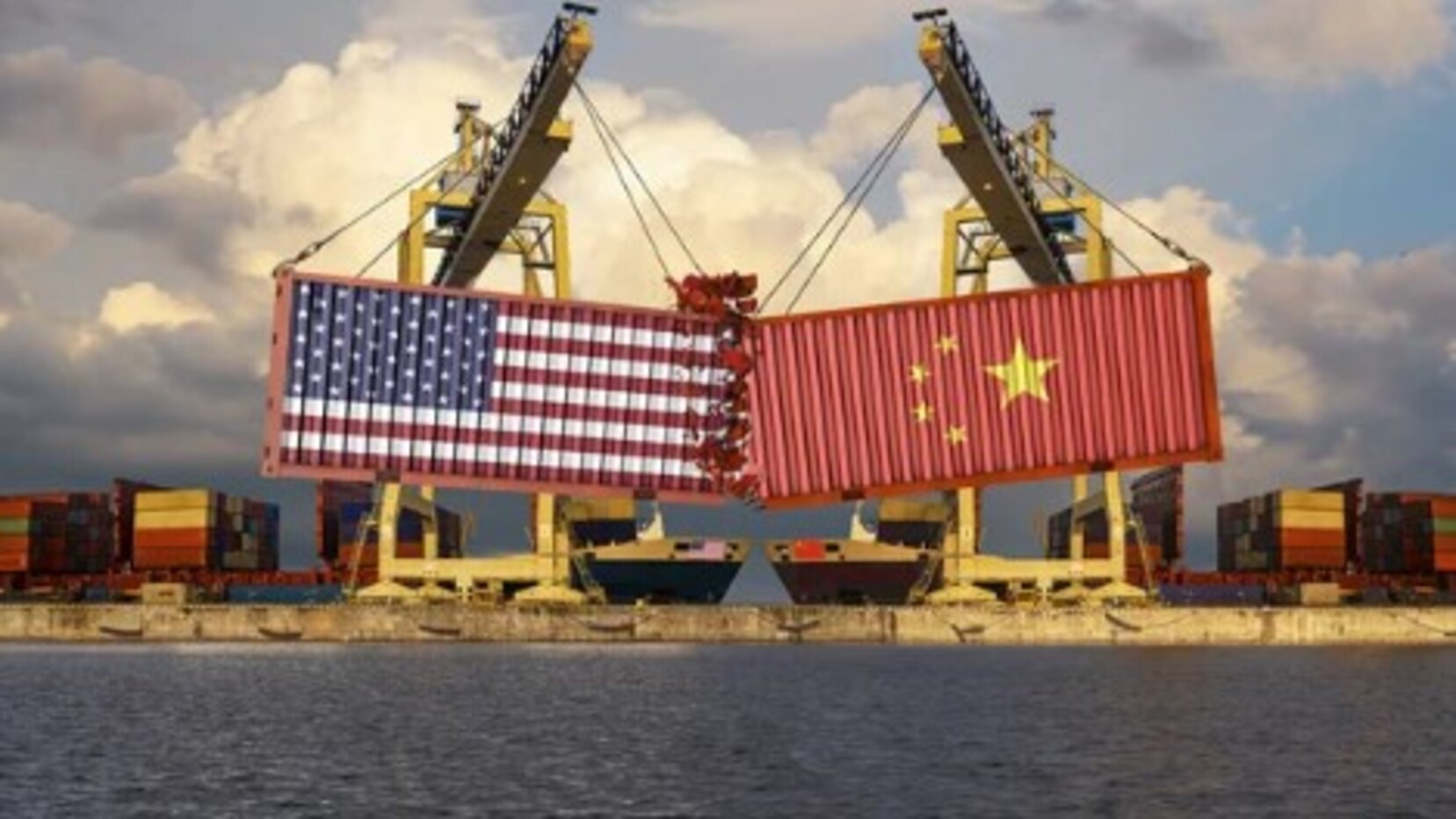
Trade Policy Risk: Trump Tariffs on Mexico
The possibility of blanket 25% tariffs on Mexican exports, alongside sector-specific duties on steel, aluminum, and copper, has reintroduced protectionism into boardroom discussions.
Even without immediate implementation, the threat alone affects investment timing—especially for export-oriented manufacturing.
USMCA (T-MEC) Renegotiation Risk
The upcoming USMCA review is now a central variable in Mexico’s nearshoring outlook.
Any disruption to:
- rules of origin
- tariff-free access
- dispute resolution mechanisms
would directly impact long-term investment models. For capital-intensive industries, stability matters more than incentives.
Legal Certainty and Judicial Reform
Proposed judicial reforms under Plan C have increased investor sensitivity around:
- contract enforcement
- regulatory predictability
- institutional independence
While not yet translated into capital flight, these concerns are showing up as delayed greenfield investment, especially outside core industrial states.
Plan México under President Sheinbaum
President Sheinbaum’s economic agenda aims to balance:
- social policy priorities
- state participation
- private investment needs
The effectiveness of this balance will shape whether Mexico converts nearshoring interest into actual capital deployment in 2025.
Nearshoring: Still Structural, No Longer Automatic
Nearshoring remains a structural advantage, not a guarantee.
Mexico still offers:
- proximity to the U.S. market
- deep manufacturing ecosystems
- labor depth and supplier density
But the 2024 data shows that nearshoring is now filtered through risk management, not driven by urgency alone.
What Investors Are Watching in 2025
Investors are not exiting Mexico. They are waiting.
Key decision triggers include:
- clarity on U.S. trade policy
- tone and scope of USMCA renegotiation
- institutional signals on rule of law
- execution capacity under Plan México
Until these variables stabilize, FDI inflows are likely to remain uneven.
Conclusion: 2025 Is a Confidence Test
Mexico’s FDI story has not reversed—but it has changed phase.
2024 proved Mexico’s relevance.2025 will determine whether that relevance converts into renewed expansion.
Foreign Direct Investment in Mexico now depends less on cost or proximity, and more on predictability, governance, and trade clarity.
Uncertainty is no longer a risk scenario.It is the baseline.
FAQ
Is Foreign Direct Investment in Mexico still growing?
Yes—but growth in 2024 was driven mainly by reinvestment, not new greenfield projects.
Why did FDI drop sharply in Q4 2024?
Investors delayed decisions due to trade uncertainty, U.S. election outcomes, and concerns around regulatory reforms.
Does nearshoring in Mexico still make sense?
Structurally yes—but investment decisions are now more cautious and risk-adjusted.
How important is USMCA for future FDI?
Critical. Any instability in USMCA directly affects long-term manufacturing investment.
Will 2025 be better for FDI in Mexico?
That depends on trade clarity, judicial certainty, and the execution of Plan México.