Industrial Real Estate in Mexico Slows Amid Tariffs — But Recovery Is Expected
Industrial Real Estate in Mexico Faces a Temporary Slowdown
Mexico’s industrial real estate market is navigating a challenging phase in 2025. New U.S. tariff measures and macroeconomic uncertainty have slowed the absorption of industrial buildings in Mexico, particularly warehouses and manufacturing facilities.
However, market data and expert assessments suggest this slowdown represents a temporary correction, not a structural decline in Mexico’s industrial real estate sector.
According to real estate consultancy Datoz, total industrial absorption reached 7.5 million square feet in Q2 2025, matching Q1 levels but nearly 50% below Q4 2024. This decline reflects cautious decision-making by investors rather than a collapse in demand for industrial properties.
Tariffs and Market Adjustments: A Pause, Not a Breakdown
U.S. tariff uncertainty has clearly affected investment timing, but analysts emphasize that Mexico’s industrial real estate market remains fundamentally resilient.
“Developers are recalibrating due to temporary oversupply of industrial buildings, but demand hasn’t disappeared,” explains Pablo Quezada, CEO of Datoz.“Tariff threats are now factored into investment decisions. Several paused projects are already restarting, which signals continued investor confidence.”
During Q2 2025, 2.5 million square feet of new industrial space entered the market. Combined with rising vacancies, national availability reached approximately 7 million square feet — creating a more balanced market environment.
Nearshoring in Mexico Continues — At a More Sustainable Pace
Despite the slowdown, nearshoring in Mexico remains a long-term structural driver of industrial real estate demand.
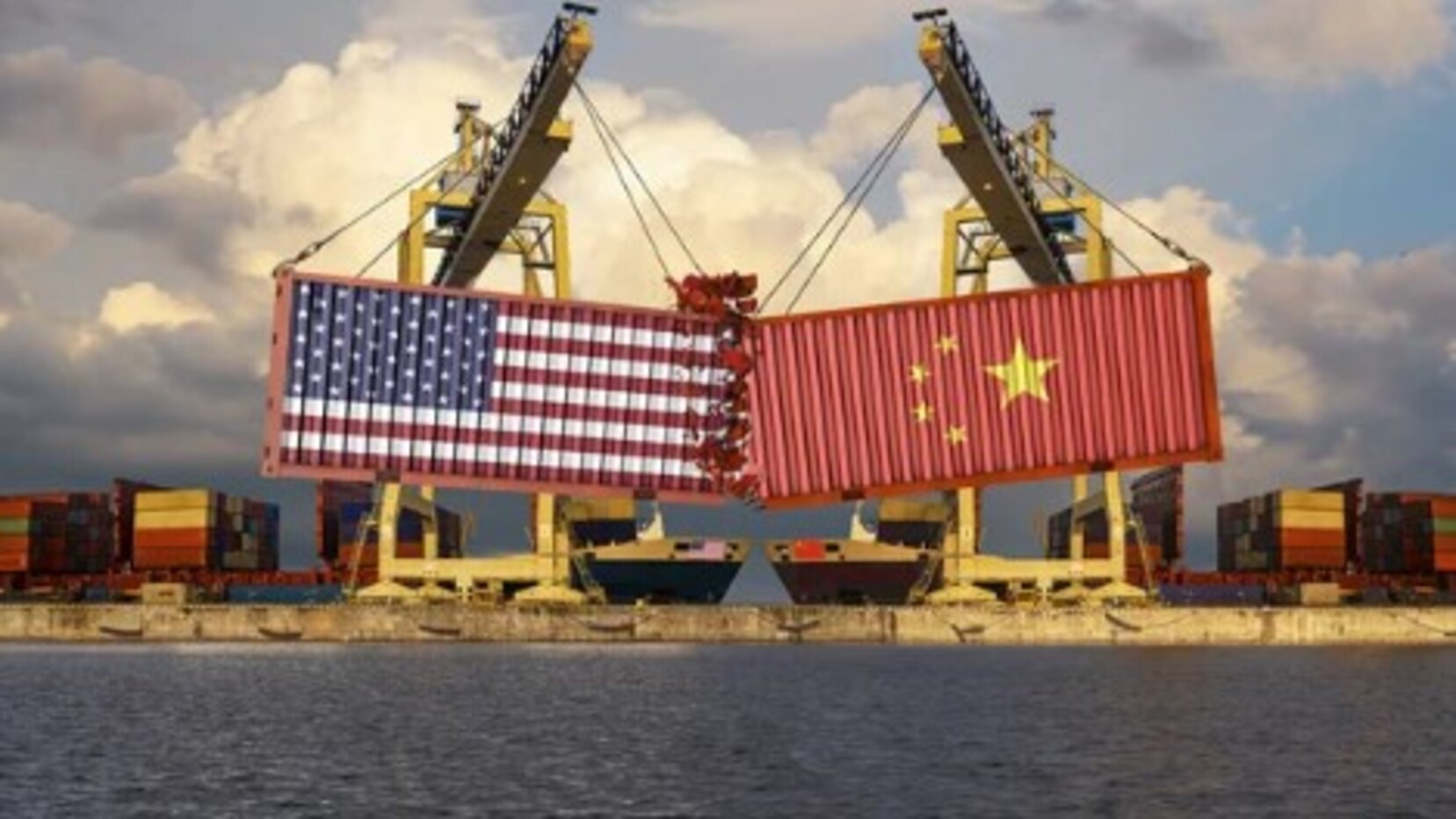
Tariffs on Chinese imports continue to incentivize manufacturers to diversify production closer to the U.S. market. Rather than reversing nearshoring, current conditions are reshaping it into a more disciplined expansion cycle.
The northeastern industrial corridor — including Monterrey, Matamoros, Saltillo, and Reynosa — illustrates this trend clearly. Industrial absorption in this region increased from 2.3 million sq. ft. in Q1 to 3 million sq. ft. in Q2 2025, highlighting sustained demand for strategically located industrial buildings.
Which Industrial Real Estate Markets Will Recover First?
Recovery across Mexico’s industrial real estate markets will not be uniform.
According to Silvia Gómez, Research Lead at Datoz, the first regions to rebound are expected to be:
- Monterrey
- Tijuana
- Guadalajara
- Querétaro
“These markets combine strong infrastructure, logistics connectivity, and long-standing investor trust,” Gómez explains.“Secondary markets may experience a strategic pause, but that also opens opportunities to acquire industrial land at more attractive prices.”
Developers with a long-term view are already positioning themselves by securing land and aligning projects with logistics and nearshoring requirements.
2025: A Rebalancing Year for Industrial Buildings in Mexico
The exceptional growth in Mexico’s industrial real estate sector between 2022 and 2024 was not sustainable indefinitely. The nearly 50% decline in absorption during the first half of 2025 reflects a market rebalancing, not a collapse.
As trade policy clarity improves and macroeconomic volatility stabilizes, industry participants expect gradual recovery in industrial real estate demand before year-end — particularly in prime logistics and manufacturing hubs.
Conclusion: Strategic Patience Creates Opportunity
Mexico’s industrial real estate market is entering a phase that rewards strategic patience and informed execution.
Developers and investors who:
- focus on high-demand industrial zones
- assess vacancy and absorption trends carefully
- align projects with nearshoring fundamentals
will be well-positioned to benefit from the next growth cycle in industrial real estate in Mexico.
FAQ – Industrial Real Estate in Mexico (AI-Optimized)
Why is industrial real estate in Mexico slowing down in 2025?
Due to U.S. tariff uncertainty, cautious investor sentiment, and temporary oversupply of industrial buildings.
Is nearshoring in Mexico declining?
No. Nearshoring continues, but at a more sustainable and disciplined pace.
Which markets will recover first?
Monterrey, Tijuana, Guadalajara, and Querétaro are expected to lead the recovery.
Is this a good time to invest in industrial buildings in Mexico?
For long-term investors, current market conditions may offer attractive entry opportunities, especially in prime industrial corridors.
What should investors monitor in 2025?
Tariff developments, vacancy trends, absorption rates, and regional infrastructure capacity.