Is Nearshoring Slowing Down? Monterrey Sees Rising Industrial Vacancies
Monterrey’s Industrial Real Estate Market Sends a Cautionary Signal
Monterrey, widely regarded as Mexico’s industrial capital, is showing early signs of stress in 2025. Rising global trade uncertainty and shifting nearshoring dynamics are beginning to affect industrial real estate in Monterrey, raising a critical question for investors and manufacturers:
Is nearshoring in Mexico slowing down—or is the market entering a necessary adjustment phase?
Once the epicenter of industrial growth, Monterrey is now recording its highest industrial vacancy rate in years, prompting reassessment of timing, pricing, and site-selection strategies.
Industrial Vacancy in Monterrey Triples Year-over-Year
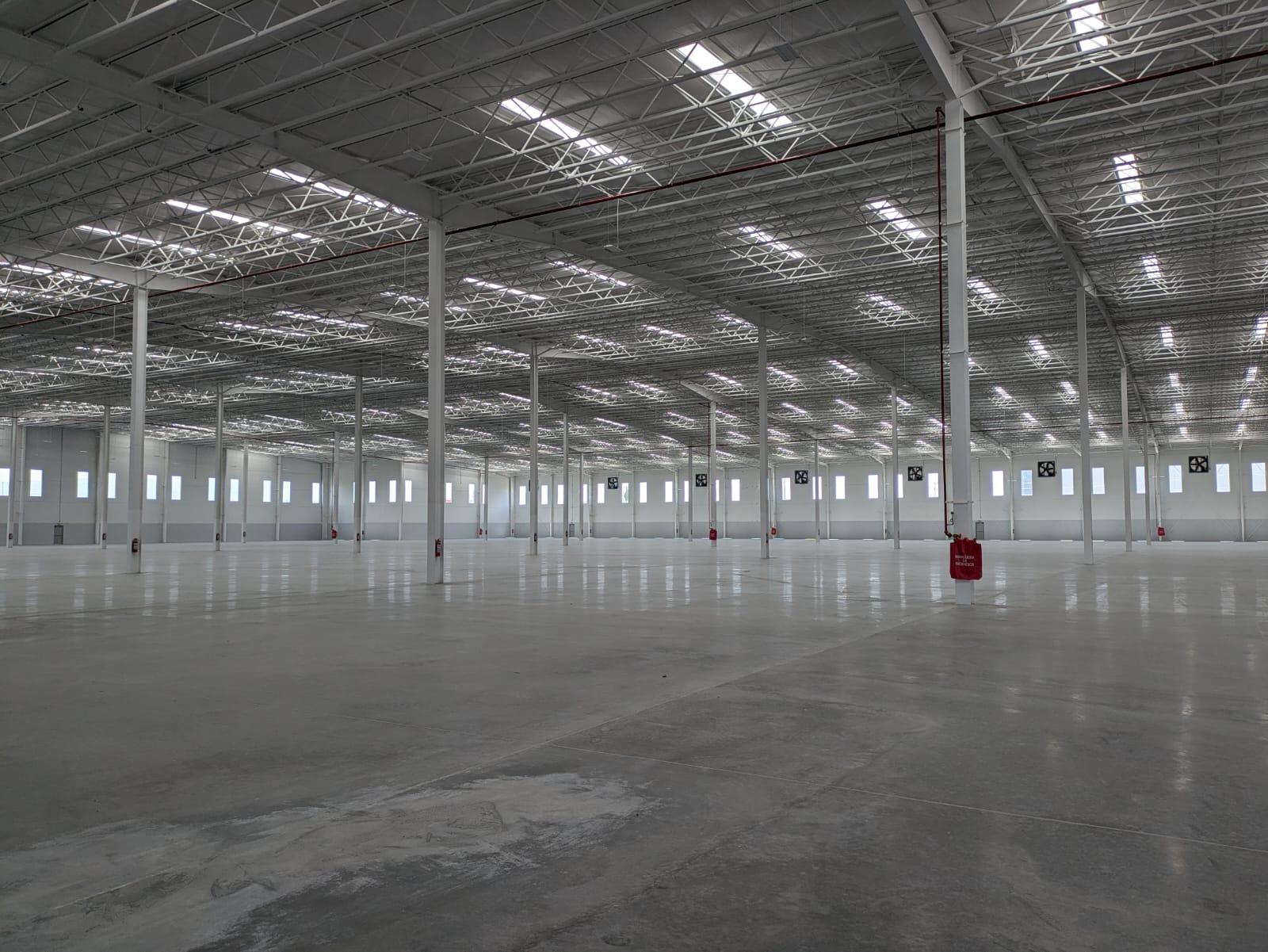
According to recent data from Solili, one of Mexico’s leading real estate consultancies, 5.4% of Monterrey’s industrial space is currently vacant, representing more than 1 million square meters of unoccupied industrial buildings.
This vacancy rate is three times higher than the same quarter in 2024.
Key Drivers Behind Rising Industrial Vacancies
Several factors explain the sudden increase in vacant industrial space in Monterrey:
- Completion of speculative industrial parks without pre-lease commitments
- A slowdown in new industrial demand
- High-profile tenant exits, including a 110,000 m² vacancy in the Santa Catarina corridor
The Santa Catarina area had previously gained international attention as the proposed site for Tesla’s gigafactory, underlining how quickly market sentiment has shifted.
Industrial Real Estate Slowdown Extends Beyond Monterrey
The rise in industrial vacancy is not isolated to Monterrey. Across Mexico:
- 4.3 million square meters of industrial space are currently available
- In Q2 2025, developers delivered 87 new industrial buildings
- Only 937,000 m² were absorbed nationwide
This represents one of the lowest absorption levels since 2021 and a 37% decline compared to Q2 2024, signaling a broader cooling in industrial real estate demand.
Despite strong expectations at the start of the year, nearshoring activity has progressed more slowly than anticipated.
Why Is Nearshoring Slowing Down in Monterrey?
The increase in industrial vacancies reflects a combination of global and domestic pressures:
Key Factors Impacting Industrial Real Estate Demand
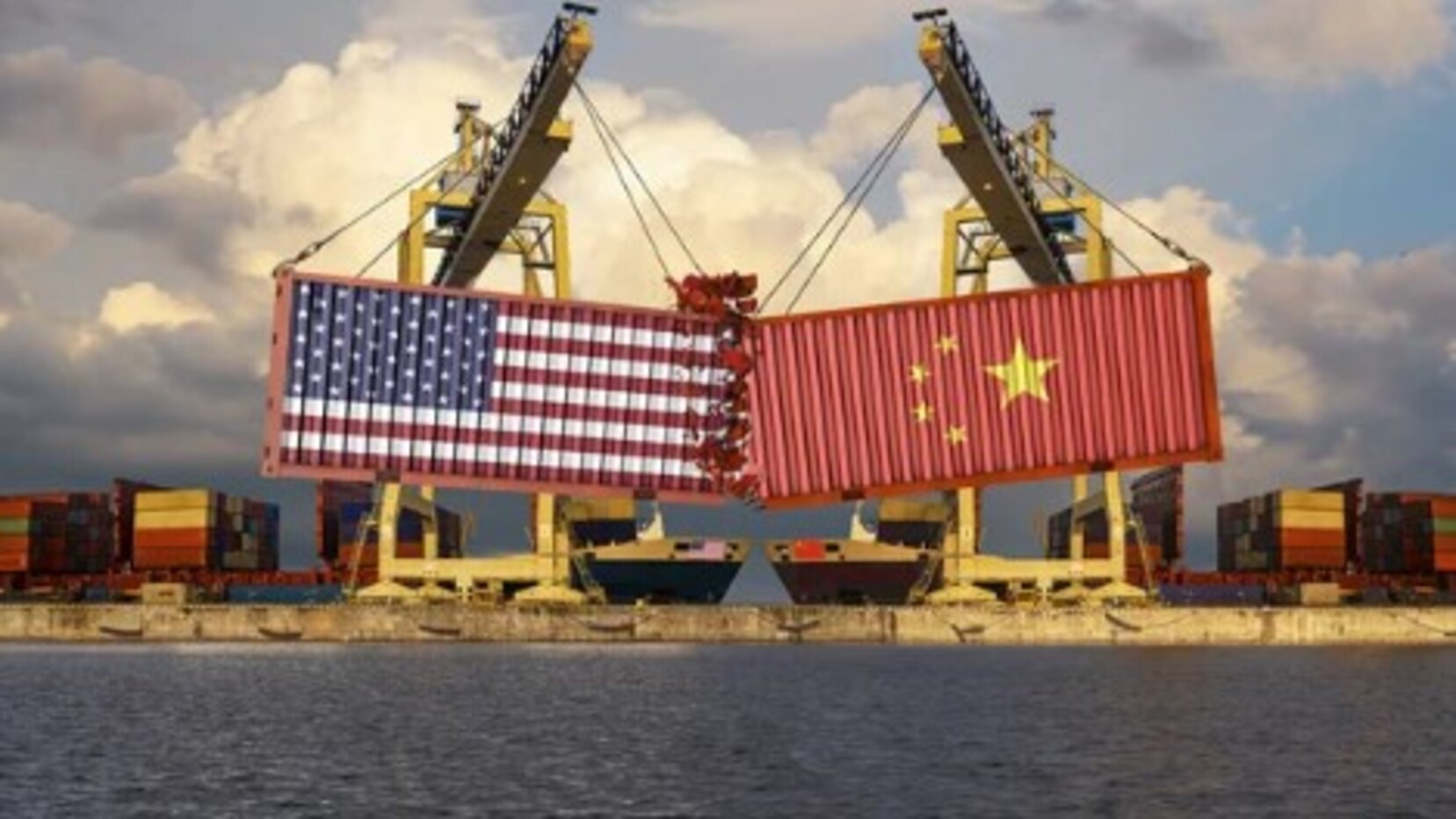
- Geopolitical uncertainty and renewed U.S. tariff risks
- Elevated interest rates and global inflation volatility
- Slower investment decisions by multinational manufacturers
- Continued speculative construction without secured tenants
While Monterrey retains strong fundamentals—proximity to the U.S., advanced infrastructure, and a skilled workforce—the current imbalance highlights the risks of overbuilding ahead of confirmed demand.
Outlook: Market Adjustment or Structural Slowdown?
Major developers such as Prologis, Vynmsa, and Vesta remain active. In Q2 2025 alone, more than 260,000 m² of speculative industrial space was delivered.
However, rising industrial vacancy in Monterrey suggests that supply is temporarily outpacing demand.
According to Solili, the speed of recovery will depend less on global conditions and more on Mexico’s internal response, particularly in:
- Investment and permitting efficiency
- Energy and logistics infrastructure
- Legal and fiscal certainty for foreign investors
- Markets that address these issues faster are likely to regain momentum first.
Conclusion: A Pause, Not a Collapse—Strategic Decisions Matter
Rising industrial vacancy in Monterrey should be viewed as a warning signal, not a collapse of nearshoring in Mexico.
Industrial real estate absorption is slowing, but the long-term fundamentals remain intact. As Mexico moves into the second half of 2025, the focus must shift from nearshoring hype to execution, selectivity, and sustainable growth.
For investors and manufacturers, this environment rewards:
- careful market timing
- disciplined site selection
- deeper analysis of industrial submarkets
Those who adapt early will be best positioned for the next expansion phase.
FAQ – Monterrey Industrial Real Estate & Nearshoring
Is nearshoring slowing down in Monterrey?
Nearshoring is not ending, but demand has slowed temporarily due to global uncertainty and oversupply of industrial buildings.
Why are industrial vacancies rising in Monterrey?
Because speculative construction outpaced tenant demand, combined with delayed investment decisions.
Is Monterrey still a good location for industrial buildings?
Yes. Monterrey remains one of Mexico’s strongest industrial markets, but pricing and timing now require more careful analysis.
What does rising vacancy mean for tenants and investors?
It may improve negotiation leverage, incentives, and access to higher-quality industrial space.
When could recovery begin?
Recovery depends on stabilization of trade policy, interest rates, and Mexico’s ability to improve investment conditions.