Matamoros and Brownsville: The New Cross-Border Growth Story
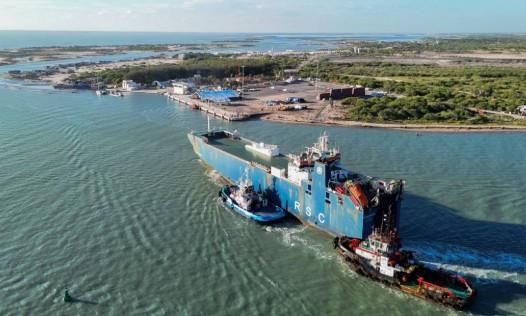
If you're looking for the future of North American trade and manufacturing, the twin cities of Brownsville, Texas, and Matamoros, Tamaulipas deserve your attention. Once seen as peripheral border towns, they are fast becoming a key corridor for cross-border logistics and production, positioning themselves as a vital link in nearshoring strategies across the continent.
A River of Opportunity: The Rio Grande Corridor
The Rio Grande has always represented a shared connection between the U.S. and Mexico. Today, that symbolism is turning into a hard economic advantage. With the support of the United States-Mexico-Canada Agreement (USMCA), these two cities have emerged as a strategic hub. Matamoros and Brownsville now offer geographic proximity, customs alignment, and a skilled, binational workforce—making them a compelling option for manufacturers and logistics providers.
Brownsville: From Underdog to Innovation Gateway
Brownsville has seen major infrastructure development in recent years. The presence of SpaceX in nearby Boca Chica has put the region on the map, not only for space tech but also as a signal to investors that this border region is on the rise. With a young population and growing interest from national and international companies, Brownsville is quietly becoming a next-generation manufacturing and logistics hub.
Unlike cities driven by tech startups, Brownsville's growth is anchored in tangible industry: cross-border trade, advanced manufacturing, and high-demand infrastructure.
Matamoros: The Quiet Contender for Nearshoring
Across the border, Matamoros is building momentum as an overlooked gem. While Monterrey and Querétaro have dominated nearshoring headlines, Matamoros offers several unexploited advantages:
- Close proximity to U.S. markets via Brownsville
- Competitive labor costs and skilled workforce
- Access to deepwater ports and multimodal logistics infrastructure
According to recent data, Tamaulipas has received less than 2% of total nearshoring investment in Mexico between 2021 and 2024. For companies looking to avoid saturated labor markets and costly real estate, this underinvestment could be a first-mover opportunity.
Timing is Everything
The rebalancing of global supply chains is well underway. Decision-makers are no longer just chasing the lowest cost but are now prioritizing resilience, responsiveness, and reduced risk. The Matamoros-Brownsville corridor answers that call.
Companies operating here can:
- Serve North American clients faster
- Improve profitability with localized production
- Lower risks tied to geopolitical volatility
- This region isn't just a reactive solution to global disruption; it's a proactive strategy for sustainable growth.
A North American Success Story in the Making
What makes the Matamoros-Brownsville corridor so compelling is how well it embodies the logic of nearshoring:
- Policy alignment under the USMCA
- Logistical efficiency through land, sea, and air access
- Human capital drawn from both sides of the border
From a business perspective, this corridor delivers agility and cost savings. From a policy angle, it serves as a model for productive bilateral cooperation.
Final Thoughts
While other Mexican cities have gained nearshoring fame, Matamoros and Brownsville represent a more grounded, cost-effective, and scalable opportunity for companies looking to build long-term operational resilience in North America.