Mexico Aerospace Contract Manufacturing: Growth, Clusters & Strategic Advantages
As production shifts in the global aerospace industry accelerate, Mexico aerospace contract manufacturing stands out as a leading destination. In 2025, Mexico not only solidifies its role as a critical supplier for components and subassemblies but also positions itself for continued expansion with robust policies, regional clusters, and a growing workforce.
This blog explores the current drivers behind aerospace contract manufacturing in Mexico, highlighting export dynamics, regional strengths, industrial incentives, and future outlook.
An Industry Taking Flight in Mexico
Mexico’s aerospace sector contributed around 29% of its exports, making up roughly 3.5% of the national GDP as of early 2025 . The industry has demonstrated an impressive 14% compounded annual growth over the past 15 years and is projected to surpass USD 22 billion by 2029.
Collectively, aerospace operations in Mexico directly employ over 60,000 people and support 1.4 million jobs across related industries —a strong foundation for contract manufacturing growth.
Regional Aerospace Clusters Powering Contract Manufacturing
Mexico’s aerospace strength is anchored in its dynamic industrial clusters:
Querétaro is now the fastest-growing aerospace hub in the country. It brings together key OEMs, suppliers, academic institutions like UNAQ, and R&D infrastructure.
Baja California, Chihuahua, Nuevo León, and Sonora host special capabilities in engine parts, MRO, airframe components, and precision machining.
Querétaro’s Intercontinental Airport strengthens the local aerospace ecosystem with cargo facilities and MRO operations, supporting regional contract manufacturing workflows.
Operating within these clusters gives contract manufacturers access to skilled labor, high-quality infrastructure, and integrated supply chains, enabling efficient production at scale.
Policy Levers & Trade Incentives in the aerospace sector
Mexico offers targeted support for aerospace manufacturing, making aerospace contract manufacturing in Mexico more attractive:
IMMEX Program allows duty-free import of inputs for export-oriented manufacturing
A 16% VAT exemption on temporarily imported machinery lowers investment costs
The Manufacturing Practices Certification streamlines tariff classification, easing cross-border trade
USMCA Chapter 98 grants duty exemptions for components used in aerospace production and maintenance
These policies reduce operational barriers and strengthen contract manufacturing in the aerospace sector via predictable cost frameworks and reduced supply chain friction.
Cost, Location, and Talent: Key Competitive Edges
Cost Savings: Aerospace manufacturing in Mexico enjoys lower labor and production costs compared to the U.S. and Europe. Combined with tariff relief under USMCA and strategic trade programs, this enhances competitiveness.
Supply Chain Proximity: Close proximity to the U.S. market significantly reduces shipping times, while clusters like Querétaro and Tijuana support rapid logistics flows.
Skilled Workforce: Engineering schools and vocational programs—especially in Querétaro—offer a pipeline of aerospace-ready talent.
These factors highlight why companies increasingly outsource to aerospace contract manufacturing in Mexico.
Outlook: What Lies Ahead for 2025 and Beyond
Cluster-driven expansion, particularly in Baja California and Querétaro, will propel aerospace contract manufacturing.
Policy continuity, combined with USMCA alignment, supports long-term investment strategies.
Industry focus will shift towards innovation—incorporating digital manufacturing, automation, and sustainability.
Import substitution initiatives may further elevate Mexico's aerospace domestic supply capabilities.
Conclusion
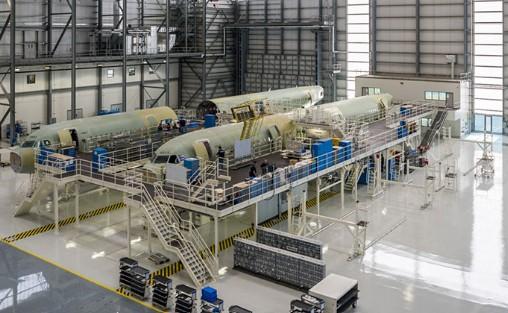
Mexico’s rise in aerospace contract manufacturing reflects a convergence of strategic trade policies, regional clusters, operational efficiency, and talent depth. Whether producing turbine components in Chihuahua, fuselages in Querétaro, or MRO services via regional hubs, Mexico is becoming indispensable for aerospace companies optimizing North American operations.