
Solar Energy and Nearshoring: Powering Mexico’s Industrial Parks
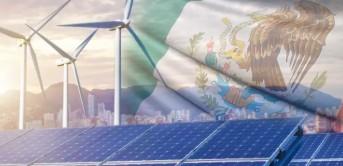
As global manufacturers rethink supply chains and prioritize resilience, Mexico’s industrial parks are stepping into the spotlight. The country hosts over 460 operational industrial parks, with at least 128 new ones projected by 2030, placing them at the heart of Mexico’s energy transition. Solar energy is becoming a defining factor in this evolution — enhancing sustainability, reducing energy costs, and reinforcing Mexico’s attractiveness as a nearshoring destination.
A Strategic Shift Toward Energy Independence
The surge in nearshoring to Mexico has brought with it not only investment opportunities but also infrastructure challenges. International companies setting up operations demand reliable and cost-efficient energy solutions — making solar energy in industrial parks a critical piece of the competitive puzzle.
According to experts in the renewable sector, particularly those involved in new business initiatives, the adoption of photovoltaic (solar) energy systems is on the rise. This trend is directly fueled by nearshoring dynamics, where industrial sectors such as automotive, electronics, and manufacturing account for over 60% of national electricity demand.
In these energy-intensive industries, electricity can make up 10–30% of operational costs. Clean energy alternatives — especially industrial solar energy — are no longer just a sustainable choice, but a strategic imperative for cost control and ESG compliance.
Smart Solar: Integrating Energy Storage and Monitoring
Many industrial park developers in Mexico are now combining solar photovoltaic (PV) systems with Battery Energy Storage Systems (BESS). This dual setup ensures stable, trackable, and resilient energy supply — critical for maintaining continuous production and meeting compliance benchmarks.
Some industrial projects have already succeeded in offsetting 400 to 500 tons of CO₂ annually per site. Digital platforms such as Apollo® help monitor real-time performance, allowing companies to track energy savings and environmental equivalents — a huge plus for those targeting sustainability goals and ESG reporting.
Clean Energy Still Faces Structural Barriers
Despite the progress, adoption remains in early stages. Currently, only 1.2% of the electricity used in Mexico’s industrial parks comes from clean sources. Achieving the national goal of 45% renewable energy generation by 2030 will require overcoming significant challenges.
Some of these challenges include the lack of available space for solar panel installations — especially in high-demand regions such as the Valley of Mexico, where vacancy rates are below 0.3%.
To address this, solar providers have introduced flexible financial mechanisms such as:
On-site Power Purchase Agreements (PPA)
Storage as a Service (SaaS) models
These allow clients to access solar energy without upfront investment, paying only for the energy they use or store.
Competitive Edge for Mexico’s Supply Chain
Integrating solar power gives Mexico’s industrial parks a unique edge over Latin American competitors. Offering clean energy contracts with stable prices and certified environmental impact helps attract multinational clients, facilitates third-party audits, and meets global supply chain ESG criteria.
What was once a value-added benefit — access to traceable clean electricity — is now a core decision factor in site selection for new production lines. This trend strengthens Mexico’s position as a sustainable manufacturing hub for companies relocating operations under the nearshoring model.
Regulatory Advances Support Expansion
Recent changes in Mexico’s legal framework are encouraging renewable adoption:
The Electricity Sector Law now allows up to 0.7 MW of distributed generation without permits, enabling mid-scale projects.
Rules around self-consumption for solar plants up to 20 MW have been simplified.
The formal recognition of energy storage systems (BESS) as part of Mexico’s national grid opens new pathways for industrial applications.
A new "Energy Window" service launched in June 2025 is designed to speed up permit approvals and reduce administrative friction.
Solar Infrastructure’s Role in the Energy Transition
With industrial parks consuming approximately 9,900 GWh annually, they are central players in Mexico’s energy transition. Their future lies in evolving into modern energy platforms that integrate:
On-site solar generation
Battery storage systems
Smart monitoring and automation tools
This transition aligns with the broader push for industrial electrification and the growing demand from global clients for transparent, traceable, and environmentally responsible operations.
Conclusion: Clean Energy Powers Competitive Growth
The synergy between solar energy and nearshoring in Mexico is unlocking new levels of industrial competitiveness. As more companies seek ESG-compliant production sites, the ability of Mexican industrial parks to provide measurable, clean, and cost-effective electricity is becoming a decisive advantage.
Mexico’s solar-powered industrial parks are not just preparing for the future — they are building it. As regulatory frameworks, financing models, and energy technologies continue to evolve, these parks are set to become regional benchmarks in sustainable industrial development.