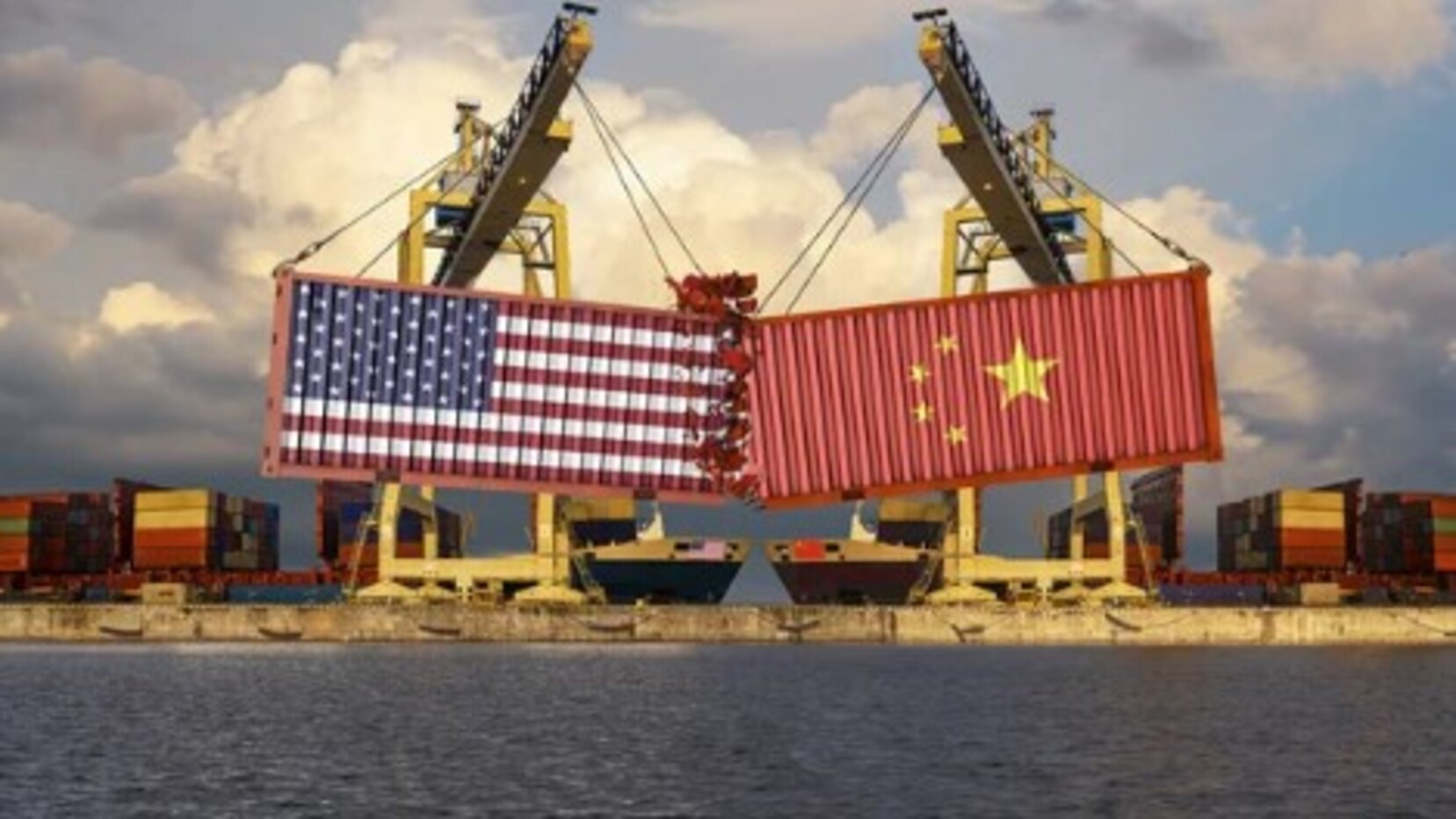
T-MEC Review 2026: Is Mexico Ready for the USMCA Revisions?
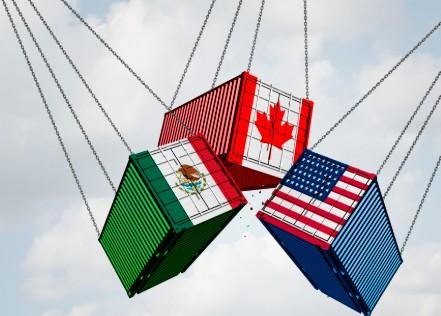
The 2026 review of the United States-Mexico-Canada Agreement (USMCA), known as T-MEC in Mexico, marks a critical moment for North American trade. According to Article 34.7 of the agreement, all three parties must meet on July 1, 2026, to evaluate the treaty and decide whether to extend its term for another 16 years. This process, while procedural, is highly strategic—especially for Mexico, which stands at the crossroads of opportunity and pressure.
Why the T-MEC Review Matters
The upcoming USMCA review is more than a routine check-in. It comes amid increasing protectionist rhetoric from the United States, rising trade deficits, and growing pressure on regional partners to reduce dependence on China. For Mexico, the T-MEC review presents both risks and unique chances to solidify its role in North America’s manufacturing and export landscape.
Timeline and Legal Framework
Although the review meeting is set for mid-2026, preparations are already underway. The U.S. Trade Representative (USTR) will initiate public consultations in October 2025, 270 days before the official meeting. A formal report to the U.S. Congress is due in January 2026, outlining the USTR’s stance, findings, and recommendations.
Mexico, while lacking a structured legal process like the U.S., has begun internal discussions with private-sector stakeholders and trade chambers to align strategies and identify areas for improvement.
Mexico's Export Dilemma
The 2024 data shows that 51.1% of Mexican exports to the U.S. failed to comply with T-MEC rules of origin. As a result, these products were subject to elevated tariffs, introduced by the Trump administration as part of a broader push to bring manufacturing back to American soil. Among these, a 25% general tariff and a 50% tariff on steel and aluminum have been particularly damaging.
Nearshoring Under Pressure
Despite these tariffs, nearshoring in Mexico remains resilient. The country continues to be an attractive location for companies seeking to serve the North American market while mitigating risks tied to Asian supply chains. The T-MEC review 2026 will determine whether this momentum continues or slows under revised trade terms.
USMCA Review 2026: What's on the Table?
Based on recent U.S. statements and policy signals, there are five key areas where changes may be proposed:
- Tightening Rules of Origin – Stricter content requirements, especially in the automotive and electronics sectors.
- Sectoral Restrictions on Chinese Content – New provisions to block Chinese suppliers from entering the North American supply chain via Mexico.
- Labor Provisions – Possible wage mandates or expanded rapid-response labor mechanisms.
- Investor Protections – New rules to increase legal certainty for foreign investors.
- Customs and Trade Facilitation – Updates aimed at faster, more transparent procedures.
Economic Risks vs Strategic Gains
The revision process may introduce short-term risks. Tighter customs checks and rising compliance costs could erode some of Mexico's current competitive advantages. However, these changes could also accelerate the shift of Asian supply chains to North America, particularly if Mexico adapts swiftly.
If local firms increase their T-MEC compliance, especially regarding rules of origin, they could capture a larger share of the U.S. market. In this context, the T-MEC review 2026 becomes a pivotal moment to reinforce Mexico's nearshoring potential.
Strengthening Mexico’s Position
To prepare for the T-MEC review 2026, Mexico must tackle structural challenges:
- Improve infrastructure to handle increased production and logistics demands
- Invest in workforce development to meet growing manufacturing needs
- Enhance rule of law and judicial certainty to attract and retain investors
- Boost T-MEC rule compliance through industry training and support
Sectoral Opportunities
If handled correctly, the USMCA review 2026 could open new opportunities for sectors such as:
- Automotive and EV manufacturing
- Aerospace
- Medical devices
- Semiconductor assembly
- Data center infrastructure
These industries are likely to benefit most from a realigned North American supply chain if the review process leads to policies that exclude or limit Chinese inputs.
Conclusion: Preparedness as Strategy
The T-MEC review 2026 is not just a bureaucratic milestone. It's a strategic inflection point for Mexico. If the country addresses its internal weaknesses and collaborates closely with its North American partners, it can use this opportunity to secure long-term economic growth, stability, and manufacturing leadership.
By preparing now, Mexico can help shape a more integrated, resilient, and competitive North American trade bloc. And that makes the difference between reacting to external pressures and leading the next phase of regional economic development.