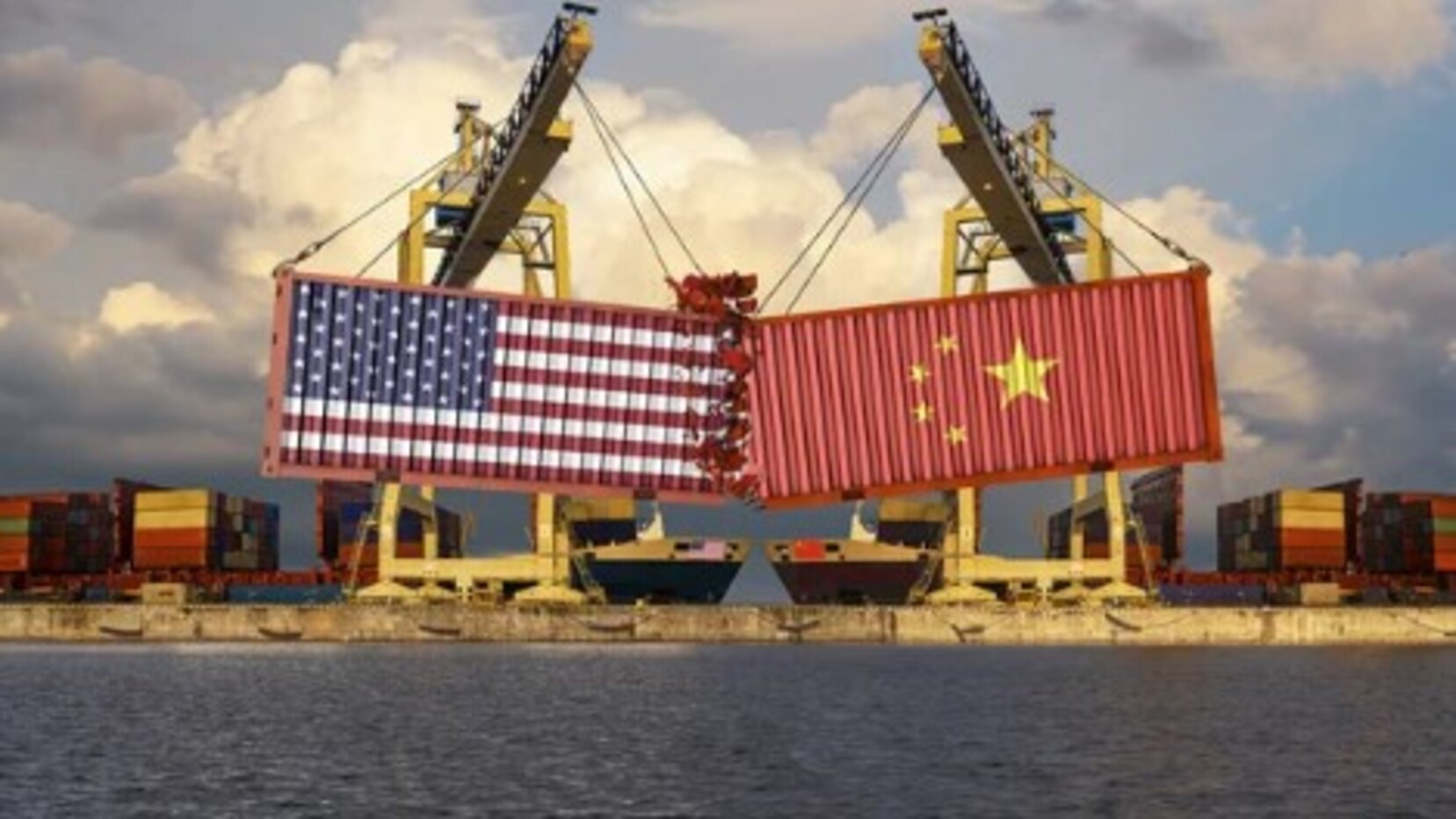
Tariffs and the Transformation of Global Supply Chains
In today’s turbulent geopolitical landscape, U.S. tariffs are no longer a niche concern for manufacturers—they now represent a systemic disruption to global supply chains. From specialty restaurants to e-commerce businesses and last-mile logistics, these tariffs are increasing costs, lengthening delivery times, and prompting businesses to rethink their sourcing strategies.
Tariffs and the Collapse of Traditional Supply Chains
The tariff-induced supply chain disruption is affecting industries previously untouched by global trade policies:
Restaurants, especially those reliant on imported seafood, spices, wine, and tequila, are facing higher prices and uncertain supply timelines.
E-commerce sellers sourcing from China—often through platforms like Amazon or Shopify—are absorbing new import duties as high as 20%, compressing profit margins.
Logistics providers, such as Dispatch and Maersk, are navigating cargo delays, rerouted shipments, and unpredictable clearance procedures.
These businesses now face the choice between cost-efficiency and supply chain resilience—a shift with long-term consequences.
Sector Breakdown: From Dining to Delivery
1. Food Service Industry
High import duties are driving restaurants to stockpile imported goods, but this leads to storage issues and added financial pressure. According to the National Restaurant Association, small restaurants operate on razor-thin margins and are the least equipped to absorb such volatility.
“Long-term tariffs leave us with no margin for error in holding menu prices as low as possible.” – Sean Kennedy, National Restaurant Association
2. E-Commerce and Retail
Online retailers relying on Chinese supply chains now face reduced margins, delayed shipping, and unpredictable inventory cycles. Many are switching to alternative sourcing in Vietnam, India, or Mexico—a clear sign that supply chain diversification strategies are on the rise.
3. Logistics and Transportation
With increased customs processing times and vehicle part shortages, shipping and last-mile delivery firms must now invest in data-driven solutions and fulfillment centers closer to consumers. Yet these fixes don’t eliminate the systemic risk posed by future tariff hikes.
Supply Chain Diversification: The Rise of Mexico and Southeast Asia
As companies seek to reduce their dependence on China, Mexico is emerging as a key regional supplier thanks to:
Proximity to the U.S. market
Competitive labor costs
USMCA trade benefits
This makes Mexico nearshoring a central strategy for businesses responding to tariff-driven uncertainty.
Keywords repeated 3–5 times:
tariff supply chain disruption
Mexico nearshoring strategy
supply chain diversification
import duties and rising costs
e-commerce logistics crisis
Conclusion: From Just-in-Time to Just-in-Case
The global supply chain model, once built on just-in-time efficiency, is evolving into a just-in-case system—one that values regional sourcing, storage, and flexibility. This fundamental restructuring affects:
Profit models in e-commerce
Menu pricing in restaurants
Inventory strategies in logistics
Sourcing decisions across sectors
The ripple effects of U.S. tariffs on global trade are reshaping supply chains, pricing models, and consumer behavior. Businesses must now balance cost, speed, and risk in a world where policy changes can redefine entire markets overnight.