2026 Nearshoring Outlook: Why U.S. Manufacturers Should Act Before the USMCA Review
Executive Context: The Question Manufacturers Must Answer Now
For U.S. manufacturers, the 2026 USMCA review is not a legal footnote—it is a strategic inflection point.
The agreement’s built-in review process begins in mid-2026. While USMCA is unlikely to disappear overnight, rules of origin, labor provisions, and enforcement intensity are almost certain to come under pressure.
The real question is:
Should manufacturers wait for clarity—or secure their North American footprint before the rules are renegotiated?
Uncertainty Favors Prepared Companies, Not Reactive Ones
Trade reviews invite political leverage. That typically means:
- Tougher interpretation of rules of origin
- Increased scrutiny of labor and wage compliance
- Renewed tariff discussions as negotiation tools
Manufacturers that depend on long, globally fragmented supply chains risk being forced into reactive decisions—adjusting sourcing, redesigning products, or absorbing tariff costs under time pressure.
By contrast, companies that anchor production inside the USMCA region gain optionality. Location strategy becomes a risk-management tool rather than a cost variable.
Nearshoring Is No Longer About Cost — It’s About Control
The current nearshoring wave is driven less by labor arbitrage and more by operational resilience.
Manufacturers expanding into Mexico are doing so to:
- Shorten lead times
- Reduce exposure to tariff shocks
- Improve quality oversight
- Increase transparency across suppliers
- Maintain compliance even as rules evolve
Operating within Mexico places production inside the treaty’s geography, which is a defensive advantage if enforcement tightens after 2026.
Why Timing Matters: Mexico’s Infrastructure Window
Mexico’s nearshoring momentum is supported by real investment, not just rhetoric.
Between 2025 and 2027, major upgrades are underway in:
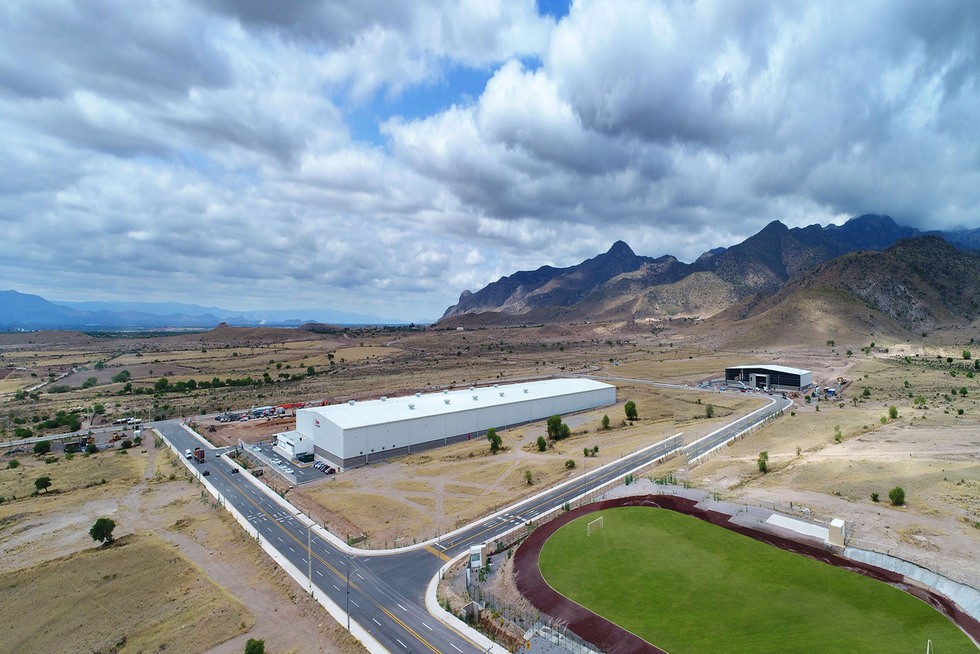
- Industrial parks
- Highways and intermodal logistics
- Energy and grid capacity
- Border-adjacent manufacturing corridors
States such as Nuevo León, Guanajuato, Querétaro, and Tamaulipas are positioning themselves as long-term industrial platforms for North America.
Manufacturers that move early benefit from:
- Broader site selection
- Better access to skilled labor
- Stronger negotiating leverage with landlords and authorities
Waiting until the USMCA review is already underway means competing for scarcer space and talent.
Why December Is a Strategic Moment, Not a Pause
While December feels like a slowdown month operationally, it is a decision month strategically.
This is when:
- Capital budgets are finalized
- Expansion timelines are locked
- Risk scenarios are evaluated at board level
For companies planning a 2026 operational shift, delaying action until mid-year effectively compresses execution into a period of regulatory uncertainty.
Early movers convert uncertainty into planning advantage.
What Acting Now Enables
Manufacturers that begin nearshoring preparation before the USMCA review can:
- Lock in compliant supply-chain structures
- Secure modern industrial facilities
- Build local supplier relationships
- Stress-test USMCA scenarios before enforcement tightens
This is not about predicting the outcome of the review—it is about being ready regardless of the outcome.
Conclusion: Play Offense Before the Rules Are Debated
The 2026 USMCA review will not stop nearshoring. But it will separate prepared manufacturers from reactive ones.
Mexico remains the most viable manufacturing partner for the U.S. market. Acting before the review allows companies to shape their footprint on their own terms, rather than adapting under pressure.
For U.S. manufacturers, 2025 is not a waiting year—it is a positioning year.
FAQ
Will the USMCA be canceled in 2026?Highly unlikely. Reviews typically lead to adjustments, not termination.
Why move before the review instead of after?Because facility availability, labor access, and compliance structures are easier to secure before uncertainty peaks.
Is nearshoring still attractive if rules of origin tighten?Yes. Being inside the USMCA region reduces exposure even if thresholds increase.
Which industries are most exposed?Automotive, electronics, heavy machinery, and any sector with complex global sourcing.