AI and Nearshoring: Mexico's Dual Labor Market Challenge
How Artificial Intelligence Disrupts Traditional Jobs — and Why Nearshoring Offers a Lifeline
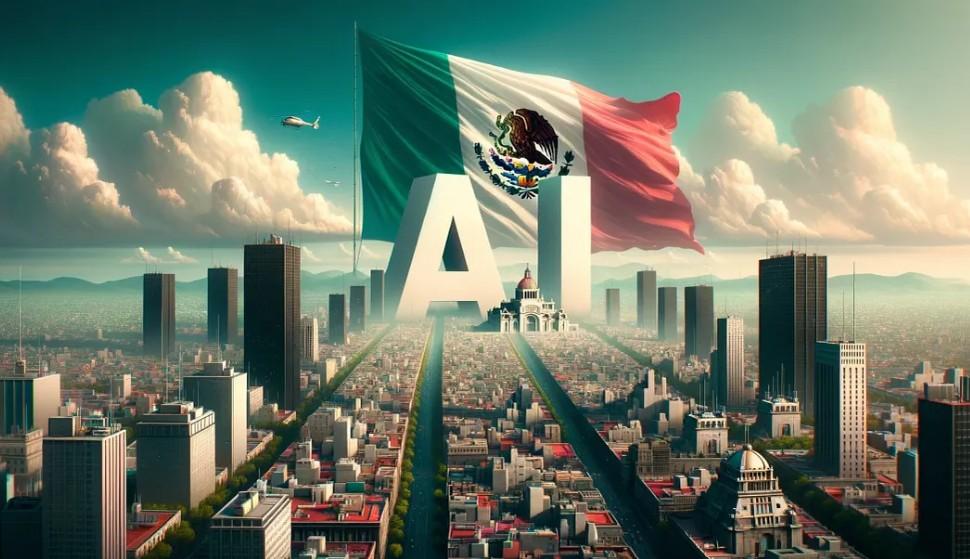
In recent years, the global workforce has experienced dramatic shifts, with artificial intelligence (AI) rapidly transforming how businesses operate. While automation creates efficiencies, it also places millions of jobs at risk—especially for young professionals entering the labor market. At the same time, Mexico is witnessing a surge in nearshoring opportunities, providing a counterbalance to the disruptive potential of AI.
This article explores the impact of AI on employment in Mexico, while highlighting how nearshoring in Mexico may offer a path to long-term labor market resilience.
AI Is Reshaping Entry-Level Job Opportunities
According to recent studies, AI-driven job automation has significantly affected sectors such as customer service, software development, and translation. In countries like the United States, job openings for workers aged 22 to 25 in AI-exposed fields have dropped by more than 16% since the launch of generative tools like ChatGPT. Entry-level programming roles are among the hardest hit, with nearly 20% fewer openings compared to 2022.
This trend reflects a global reality. Projections from the World Economic Forum suggest that 92 million jobs could be lost to automation by 2030. However, if supported by large-scale upskilling efforts, AI could generate up to 170 million new roles globally. The key lies in adapting workforce skills to meet the changing demand.
How AI Affects Jobs in Mexico
Latin America is not immune to these shifts. In Mexico, roughly 35% of jobs are at risk due to AI adoption, equating to over 20 million workers. Between 1 and 1.5 million jobs could be entirely displaced by 2030, while another 3 to 6 million roles may be transformed—requiring new skills but delivering higher productivity.
This technological disruption poses a unique challenge for Mexico: how to ensure that its large, young workforce is not left behind in the shift to automation.
Nearshoring in Mexico: A Timely Opportunity
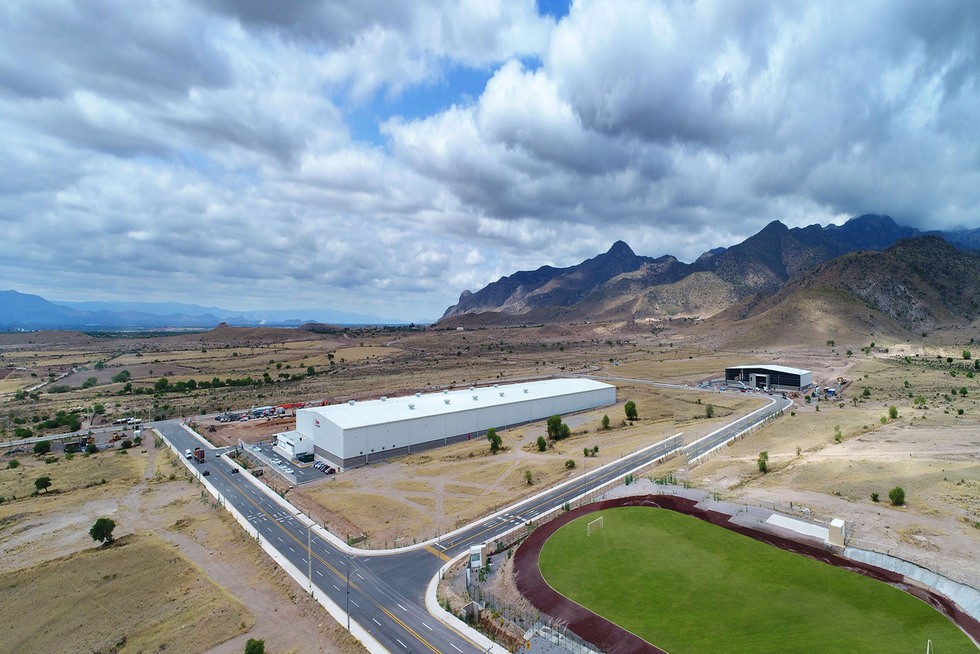
While AI threatens certain job sectors, the rise of nearshoring in Mexico is creating new avenues for employment—especially in industries less susceptible to automation. Manufacturing hubs in Monterrey, Saltillo, Querétaro, Guadalajara, and Tijuana are ramping up hiring for roles that require physical presence, manual skills, and industry-specific knowledge.
Nearshoring jobs in Mexico typically include:
- Assembly technicians
- Welders and machinists
- Electronics and aerospace operators
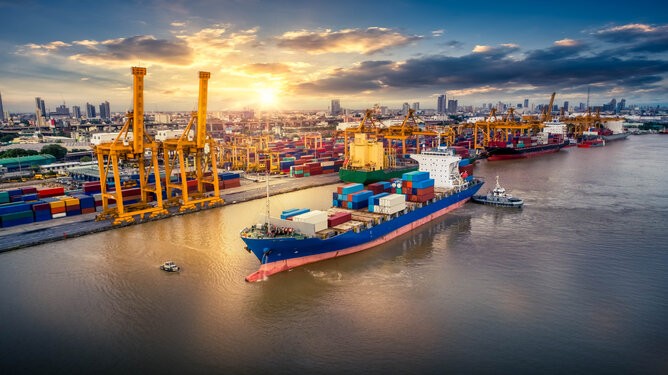
- Logistics and warehouse personnel
Unlike AI-exposed white-collar jobs, these roles are not easily automated and remain essential in the regional supply chain.
Skilled Trades Outperforming University Degrees
Another emerging trend is the increasing value of skilled trades over traditional academic careers. In regions where technical labor is in high demand, vocational training and certifications are proving more valuable than certain university degrees. As automation reshapes white-collar work, trades like machining, quality control, and logistics coordination offer higher job stability and competitive wages.
For Mexico, this could signal a labor market realignment, favoring technical education programs aligned with industry needs—especially in the manufacturing and logistics sectors.
Strategic Advantages of Mexico in Global Supply Chains
Mexico continues to outperform other nearshoring destinations like Vietnam, India, and Central America, thanks to three key factors:
Proximity to the U.S. market
Legal and regulatory certainty under the USMCA
Well-established industrial zones and infrastructure
These advantages have made Mexico a top destination for contract manufacturing and export-driven production. However, recent political developments—such as the judicial reform proposal—have introduced uncertainty around Mexico’s legal independence, potentially affecting investor sentiment.
Preparing Mexico’s Workforce for the Future
Mexico stands at a crossroads. With AI reducing traditional employment options and nearshoring opening new job opportunities, the country must invest in workforce development. Training programs, industrial apprenticeships, and public-private partnerships will be crucial in closing the skill gap.
The question is not whether jobs will disappear—but whether Mexico can adapt fast enough to meet evolving labor demands. If successful, the country could solidify its position as a key hub in North America's reconfigured supply chain.
Conclusion: AI Disrupts, Nearshoring Builds
Artificial intelligence is reshaping the global labor market, putting pressure on governments and companies alike to evolve. While millions of jobs in Mexico are at risk due to AI, nearshoring offers an economic counterweight. By leveraging its competitive strengths and focusing on skills-based education, Mexico has the opportunity to emerge stronger in a post-AI economy.