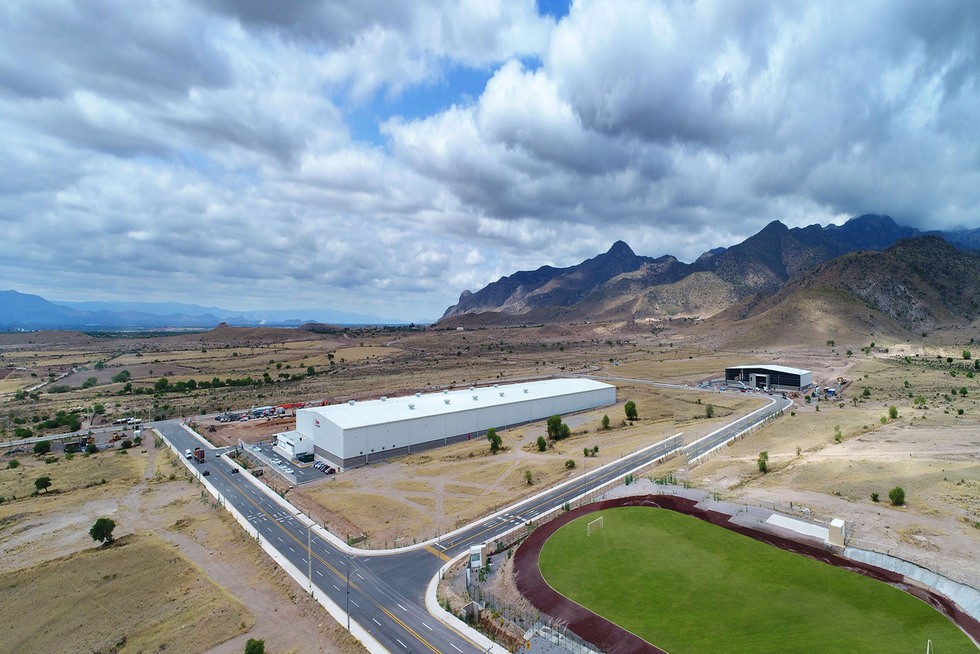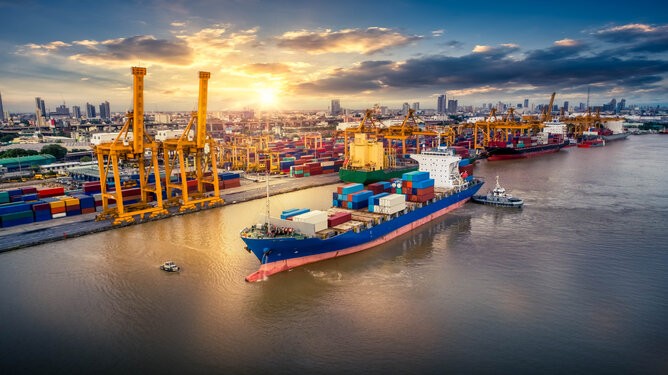
Automotive Nearshoring 2.0: Why Mexico’s Auto Industry Expects a Second Investment Wave in 2027
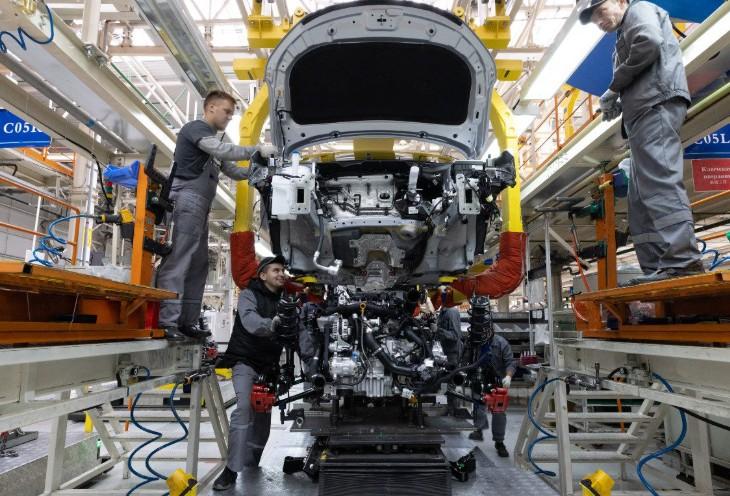
Introduction: Why 2027 Matters for Automotive Nearshoring in Mexico
The automotive industry is preparing for what many executives already call Nearshoring 2.0. After an initial surge of relocation projects between 2021 and 2024, a second and potentially larger wave of automotive nearshoring in Mexico is expected to materialize after the USMCA review in 2026, with 2027 emerging as a decisive inflection point.
For global OEMs and Tier 1–3 suppliers, the next phase will be less about speed and more about technology, regional value content, and long-term trade certainty.
Automotive Manufacturing Remains the Backbone of Nearshoring
During the first nearshoring phase, the automotive sector captured roughly one-third of all relocation projects into Mexico. Industry expectations now point toward an even higher share in the next cycle, driven by:
- Stricter USMCA rules of origin
- Electrification and platform consolidation
- Pressure to localize tooling, molds, and critical components
- Rising compliance scrutiny on tariff avoidance
Automotive nearshoring in Mexico is no longer about labor arbitrage — it is about strategic production positioning within North America.
Why the USMCA Review Unlocks Nearshoring 2.0
The scheduled USMCA review in mid-2026 is shaping investment behavior today. While no major automotive projects have been canceled, many are currently paused, awaiting clarity on:
- Future tariff structures
- Automotive rules of origin interpretation
- Labor and wage compliance thresholds
- Treatment of EVs, batteries, and power electronics
Once these parameters are clarified, delayed CapEx decisions are expected to move quickly, particularly in automotive manufacturing.
Technology Becomes the New Investment Driver
Industry leaders increasingly point to technology and value-added manufacturing as the defining features of the next wave:
- Advanced stamping, molds, and tooling
- Automation-heavy assembly lines
- EV component manufacturing
- Lightweight materials and electronics integration
Raising regional content is no longer optional. Automotive suppliers that fail to localize critical processes risk losing USMCA eligibility — and market access.
Where Automotive Nearshoring Capital Is Concentrating
Between 2006 and 2024, Mexico attracted nearly USD 100 billion in automotive FDI, with capital concentrating in a small number of highly integrated states:
- Chihuahua – auto parts and advanced manufacturing
- Guanajuato – vehicle assembly and Tier 1 suppliers
- Nuevo León – logistics, powertrain, and export platforms
More than half of total automotive investment has flowed into auto parts manufacturing, reinforcing Mexico’s role as the operational core of North American supply chains.
What Automotive Executives Should Watch Now
For decision-makers planning expansions beyond 2026, several signals matter:
- U.S. positioning ahead of the USMCA review
- Mexico’s ability to align government and industry strategy
- Expansion of domestic tooling and mold capacity
- Infrastructure readiness (energy, water, logistics)
Automotive nearshoring in Mexico will favor projects that are technologically deep, compliant by design, and integrated into regional ecosystems.
Conclusion: Automotive Nearshoring Moves from Speed to Substance
The next automotive nearshoring wave will not reward the fastest movers — it will reward the best-prepared ones. As trade rules tighten and technology requirements rise, Mexico’s automotive sector is positioned to capture a larger, more sophisticated share of global manufacturing relocation starting in 2027.
For automotive companies, the window to prepare is now, not after the USMCA review concludes.
FAQ – Automotive Nearshoring in Mexico
Why is 2027 expected to be a key year for automotive nearshoring?
Because investment decisions delayed during USMCA uncertainty are expected to resume once trade rules are clarified in 2026.
Will the automotive sector remain Mexico’s main nearshoring driver?
Yes. Automotive manufacturing continues to be the backbone of Mexico’s export economy and USMCA integration.
What will differentiate Nearshoring 2.0 from the first wave?
Greater focus on technology, automation, regional value content, and compliance rather than purely cost-driven relocation.
Which regions benefit most from automotive nearshoring?
Northern and Bajío states with established automotive ecosystems, skilled labor, and logistics connectivity.
Are automotive projects being canceled due to uncertainty?
No. Most projects are delayed, not canceled, pending clarity on tariffs and trade rules.