Class A Industrial Buildings in Mexico: What Manufacturers Need to Know

Mexico has become one of the most important manufacturing destinations in North America. Driven by nearshoring and the integration of regional supply chains, companies from Europe, the United States, and Asia are increasingly relocating production to the country.
A critical factor in this expansion is access to modern industrial infrastructure. As a result, Class A industrial buildings in Mexico have become the dominant facility type for international manufacturers and logistics operators.
These buildings offer the highest technical standards, efficient logistics design, and access to strategic industrial locations. For companies entering Mexico’s manufacturing ecosystem, understanding the characteristics of Class A industrial buildings is essential for selecting the right facility.
This guide explains what defines a Class A industrial building in Mexico, what specifications companies should expect, and why these facilities dominate the nearshoring boom.
What Is a Class A Industrial Building in Mexico?
A Class A industrial building in Mexico represents the highest quality category within the country’s industrial real estate market.
These buildings are typically modern logistics or manufacturing facilities developed according to international construction standards. They are designed to support advanced production processes, high-volume distribution operations, and export-oriented manufacturing.
Most Class A facilities have been constructed since the early 2000s, with a large share developed after 2015 due to the rapid expansion of nearshoring.
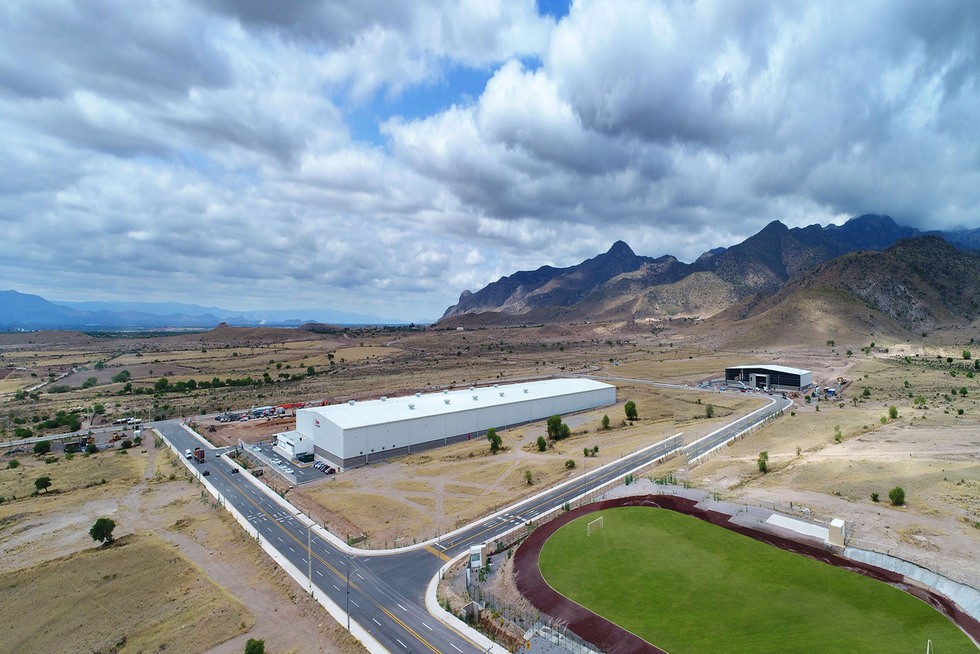
These buildings are commonly located within planned industrial parks, which provide shared infrastructure such as security systems, utilities, and logistics access.
For companies expanding manufacturing operations into Mexico, Class A industrial buildings offer the most reliable operational environment.
Key Characteristics of Class A Industrial Buildings in Mexico
Class A industrial facilities follow a set of standard specifications that enable efficient industrial operations.
Typical characteristics include:
High clear height
Modern warehouses usually offer interior heights between 8 and 12 meters, allowing efficient storage and production layouts.
Modern construction materials
Many facilities use tilt-up concrete walls or reinforced steel structures, which improve durability and insulation.
Advanced roofing systems
Industrial roofs often use KR-18 roofing systems with insulation and translucent panels to allow natural lighting.
Efficient lighting
Most modern facilities use LED or high-efficiency lighting systems, reducing energy consumption.
Multiple loading docks
Class A warehouses typically include one loading dock per 800 to 1,000 square meters, enabling efficient truck operations.
Large maneuvering yards
Truck maneuvering areas often exceed 35–38 meters in depth, allowing smooth logistics operations.
Fire protection systems
Most buildings include fire protection infrastructure with sprinkler systems or preparation for sprinkler installation.
Security infrastructure
Facilities located within industrial parks usually include controlled access, security monitoring, and perimeter protection.
These specifications make Class A buildings ideal for companies that require high operational reliability and logistics efficiency.
Why Class A Industrial Buildings Dominate Mexico’s Nearshoring Market
The rapid growth of nearshoring has dramatically increased demand for Class A industrial buildings in Mexico.
International companies relocating production closer to the United States require modern facilities that support global manufacturing standards.
Several industries rely heavily on these buildings:
- automotive manufacturing
- aerospace components
- electronics production
- medical device manufacturing
- logistics and distribution
Many multinational companies require facilities that meet strict operational specifications, which is why Class A buildings dominate new industrial developments across Mexico.
Major industrial hubs such as Monterrey, Tijuana, Ciudad Juárez, Querétaro, and Guadalajara have seen large-scale construction of Class A industrial parks in recent years.
Typical Features of Class A Industrial Parks in Mexico
Another defining characteristic of Class A industrial buildings in Mexico is that they are usually located within organized industrial parks.
Industrial parks typically offer:
- 24/7 controlled access and security
- professional property management
- reliable electricity and utilities
- water and wastewater infrastructure
- logistics connectivity to highways and ports
- proximity to labor markets
These features significantly reduce operational risk for companies entering the Mexican market.
For multinational manufacturers, locating inside a Class A industrial park often simplifies permitting, utilities access, and long-term expansion.
Rental Costs for Class A Industrial Buildings in Mexico
Because they represent the highest quality segment of the market, Class A industrial buildings typically command the highest rental prices.
In most major industrial markets in Mexico, rents for Class A industrial properties range approximately between:
- USD 5 to USD 8 per square meter per month, depending on location, building size, and availability.
Key factors that influence rental costs include:
- proximity to the U.S. border
- regional labor markets
- logistics infrastructure
- energy availability
- demand from nearshoring companies
Northern border cities and major industrial hubs generally show the highest demand for Class A industrial facilities.
Who Typically Uses Class A Industrial Buildings?
Class A facilities are typically occupied by companies that require modern infrastructure and scalable operations.
Typical tenants include:
- multinational manufacturers
- automotive suppliers
- electronics producers
- logistics companies
- global distribution centers
- export-oriented manufacturing firms
Because of their advanced infrastructure and strategic locations, Class A buildings are often preferred by companies integrated into North American supply chains.
Challenges When Searching for Class A Industrial Buildings
Despite their advantages, companies entering Mexico may face challenges when searching for Class A industrial facilities.
The most common challenges include:
Limited availability
- High demand from nearshoring companies has reduced vacancy rates in several industrial markets.
Rising rental prices
- Strong demand has pushed rents higher in key manufacturing regions.
Construction lead times
- Build-to-suit projects may require 9–18 months of development time.
Because of these constraints, companies planning expansion into Mexico should begin the site selection process early.
Conclusion
Class A industrial buildings represent the backbone of Mexico’s modern manufacturing infrastructure. Their advanced specifications, logistics efficiency, and location inside organized industrial parks make them the preferred choice for international companies expanding into North America.
As nearshoring continues to reshape global supply chains, demand for Class A industrial buildings in Mexico is expected to remain strong.
Companies that plan their facility strategy early and carefully evaluate regional industrial markets will be best positioned to benefit from Mexico’s growing manufacturing ecosystem.
FAQ – Class A Industrial Buildings in Mexico
What defines a Class A industrial building in Mexico?
A Class A industrial building in Mexico is a modern facility built according to current international standards, typically located in an industrial park with advanced logistics infrastructure.
What ceiling height do Class A industrial buildings have?
Most Class A facilities offer clear heights between 8 and 12 meters, enabling efficient warehouse and production layouts.
Are Class A buildings always located inside industrial parks?
In most cases yes. Many Class A buildings are developed inside planned industrial parks with security, utilities, and logistics infrastructure.
Why are Class A industrial buildings important for nearshoring?
These facilities provide the technical standards required by multinational companies relocating production closer to the United States.