Class B Industrial Buildings in Mexico: When They Make Sense for Manufacturers
Executive Summary
Mexico’s industrial real estate market has expanded rapidly over the past decade as nearshoring drives manufacturing investment across the country. Most new industrial developments focus on modern Class A industrial buildings, but a large portion of the existing market consists of Class B industrial buildings.
For foreign companies entering Mexico, Class B facilities are often overlooked because they are not as modern as new industrial parks. However, in many cases Class B industrial buildings can offer a highly practical and cost-efficient solution, particularly during the early stages of market entry.
Understanding when Class B properties make sense — and when they do not — is an important step for companies evaluating industrial buildings in Mexico.
This guide explains what defines Class B industrial buildings, their advantages and limitations, and when they may be the right option for international investors or manufacturers.
What Is a Class B Industrial Building in Mexico?
A Class B industrial building in Mexico represents the middle segment of the industrial real estate market.
These buildings generally offer solid functionality but lack some of the advanced specifications found in modern Class A industrial facilities.
Many Class B industrial properties were developed between the 1980s and early 2000s, often before the current wave of nearshoring-driven industrial development.
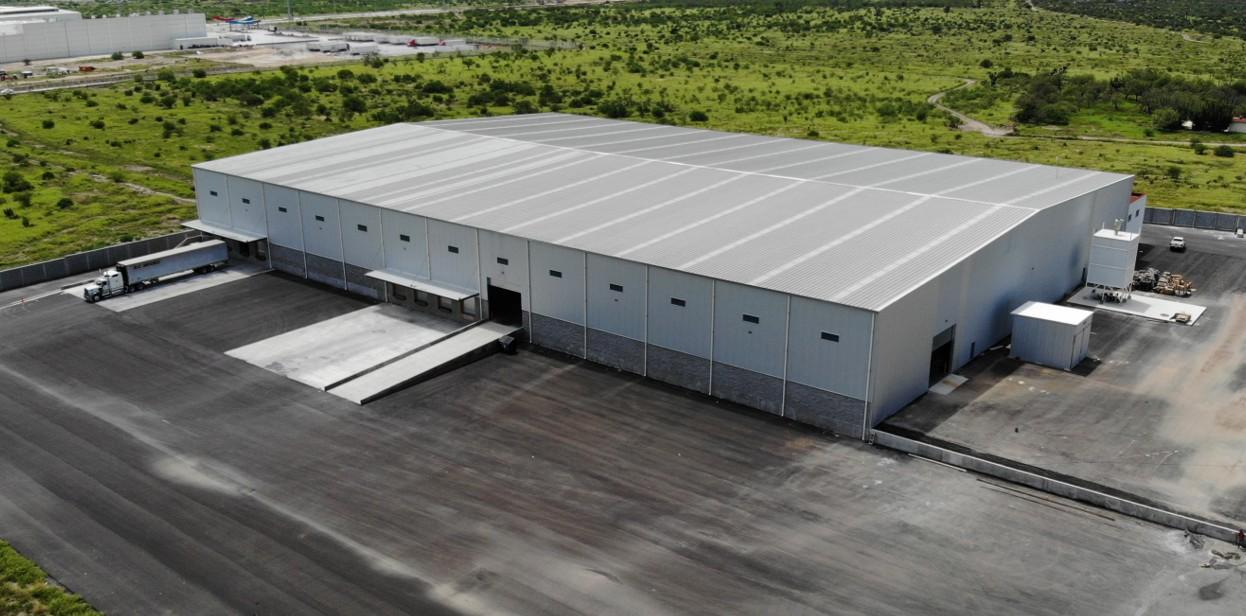
Unlike Class A facilities, which are frequently located inside modern industrial parks, Class B buildings are often standalone properties located in traditional industrial zones.
However, despite their age, many of these facilities remain fully operational and are widely used across Mexico’s manufacturing and logistics sectors.
For companies entering Mexico with moderate operational requirements, Class B facilities can represent a practical entry point into the industrial market.
Typical Characteristics of Class B Industrial Buildings
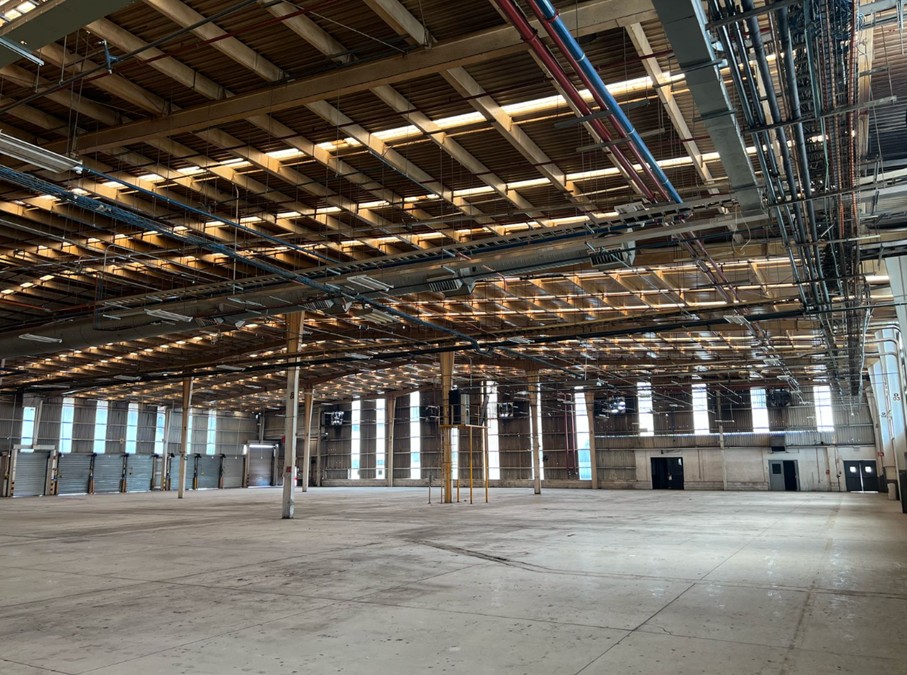
Class B buildings generally provide acceptable industrial functionality but with simpler construction standards.
Typical characteristics include:
Interior clear height
Most Class B industrial buildings offer interior heights between 6 and 8 meters, which is sufficient for many production or storage operations but lower than modern logistics standards.
Older construction materials
Exterior walls are often built using concrete block, masonry, or sheet metal panels, rather than tilt-up concrete systems used in newer buildings.
Simpler roofing systems
Roofs are commonly made of painted sheet metal or steel structures, often without modern insulation systems.
Basic lighting systems
Many Class B facilities still use fluorescent lighting, although some buildings have been upgraded to LED systems.
Limited loading infrastructure
Some buildings have few loading docks or even ground-level access only, depending on the age of the property.
Smaller maneuvering yards
Truck maneuvering areas may be smaller than modern logistics standards, and in some cases may be limited.
Because of these characteristics, Class B buildings typically support less intensive logistics operations than Class A facilities.
Advantages of Class B Industrial Buildings
Although they are not as modern as Class A facilities, Class B industrial buildings can offer several advantages for companies entering Mexico.
Lower rental costs
One of the biggest advantages of Class B buildings is price.
Rental costs are often significantly lower than Class A industrial properties, sometimes by 20–40%, depending on location.
In many cases, rent for Class B buildings is quoted in Mexican pesos rather than U.S. dollars, which can reduce currency exposure for companies operating locally.
Faster occupancy
Because Class B buildings already exist, companies can often move in much faster than with build-to-suit projects, which may take over a year to complete.
This makes Class B facilities attractive for companies that need quick market entry.
Lower initial investment
Companies entering Mexico may prefer a smaller initial investment before committing to a large long-term facility.
Class B buildings allow businesses to test operations before expanding into larger Class A facilities.
Strategic urban locations
Many Class B industrial zones are located closer to city centers, which can provide better access to labor pools.
In contrast, newer Class A industrial parks are sometimes located farther outside metropolitan areas.
When Class B Industrial Buildings Make Sense
For many foreign investors, Class B facilities can serve as an effective entry strategy into Mexico’s industrial market.
Class B properties may be suitable when:
A company is testing the Mexican market
- Companies establishing a pilot production line or regional office may prefer lower-cost facilities initially.
Operations do not require large logistics infrastructure
- Manufacturing processes that rely less on heavy logistics flows may not require modern dock infrastructure.
Speed of market entry is critical
- Existing Class B facilities can be occupied quickly without waiting for construction.
Companies plan future expansion
- Some businesses start in Class B facilities and later relocate to Class A industrial parks once operations scale.
Limitations of Class B Industrial Buildings
Despite their advantages, Class B buildings also present limitations that companies should carefully evaluate.
Limited scalability
Many standalone buildings do not allow for easy expansion.
Industrial parks typically offer better long-term growth opportunities.
Logistics constraints
Smaller truck yards and fewer loading docks may reduce logistics efficiency.
Older infrastructure
Some facilities may require upgrades to electrical systems, fire protection, or structural elements.
Image and corporate standards
Multinational companies sometimes prefer modern industrial parks because they project a stronger corporate image.
Class B Buildings in Mexico’s Nearshoring Market
Even though new industrial development in Mexico focuses heavily on Class A facilities, Class B buildings still play an important role in the country’s industrial ecosystem.
They are frequently used by:
- Tier 2 and Tier 3 automotive suppliers
- regional distribution companies
- packaging manufacturers
- local manufacturing suppliers
- smaller export manufacturers
For many companies, Class B buildings represent a transitional step within Mexico’s industrial expansion cycle.
As operations grow, companies often relocate into larger or more modern facilities.
Key Due Diligence Factors for Foreign Investors
Foreign investors considering Class B industrial buildings in Mexico should carefully evaluate several factors.
Important considerations include:
Structural condition
Older buildings should be inspected to ensure they meet operational requirements.
Energy capacity
Manufacturing facilities require sufficient electrical infrastructure.
Fire protection systems
Some older buildings may require upgrades to comply with international safety standards.
Truck access
Logistics operations require adequate maneuvering space and loading infrastructure.
Zoning and permits
It is important to verify that the property is zoned for industrial use.
Conducting proper technical and legal due diligence is essential before leasing or purchasing industrial property in Mexico.
Conclusion
While much of the attention in Mexico’s industrial real estate market focuses on new Class A developments, Class B industrial buildings continue to play an important role for manufacturers and investors entering the market.
For companies that prioritize cost efficiency, speed of market entry, or flexible operations, Class B facilities can represent a practical and strategic option.
However, careful evaluation of building specifications, infrastructure, and long-term scalability is essential before making a final decision.
Companies that approach site selection strategically will be best positioned to benefit from Mexico’s growing industrial economy.
FAQ – Class B Industrial Buildings in Mexico
What is a Class B industrial building in Mexico?
A Class B industrial building is a mid-quality facility that offers solid functionality but lacks some of the modern specifications of Class A industrial buildings.
Are Class B buildings suitable for manufacturing?
Yes. Many manufacturing operations can function efficiently in Class B facilities depending on logistics and infrastructure requirements.
Are Class B industrial buildings cheaper than Class A?
Yes. Rental costs are typically lower and often quoted in Mexican pesos.
Do multinational companies use Class B buildings?
Yes, particularly for smaller operations, suppliers, or temporary facilities during expansion phases.