Class C Industrial Buildings in Mexico: Risks, Costs, and When They Still Make Sense
Executive Summary
Mexico’s industrial real estate market is commonly associated with modern industrial parks and large logistics facilities. However, a significant portion of the country’s industrial infrastructure consists of older buildings constructed decades ago, often classified as Class C industrial buildings.
For international companies expanding into Mexico, these facilities are usually not the first option. Modern supply chains typically require advanced logistics infrastructure, reliable utilities, and modern safety standards.
Nevertheless, Class C industrial buildings in Mexico still play a role in the industrial ecosystem, particularly for companies prioritizing low costs or quick access to existing facilities.
Understanding when these buildings make sense—and when they create operational risk—is essential for investors evaluating industrial buildings in Mexico.
What Is a Class C Industrial Building in Mexico?
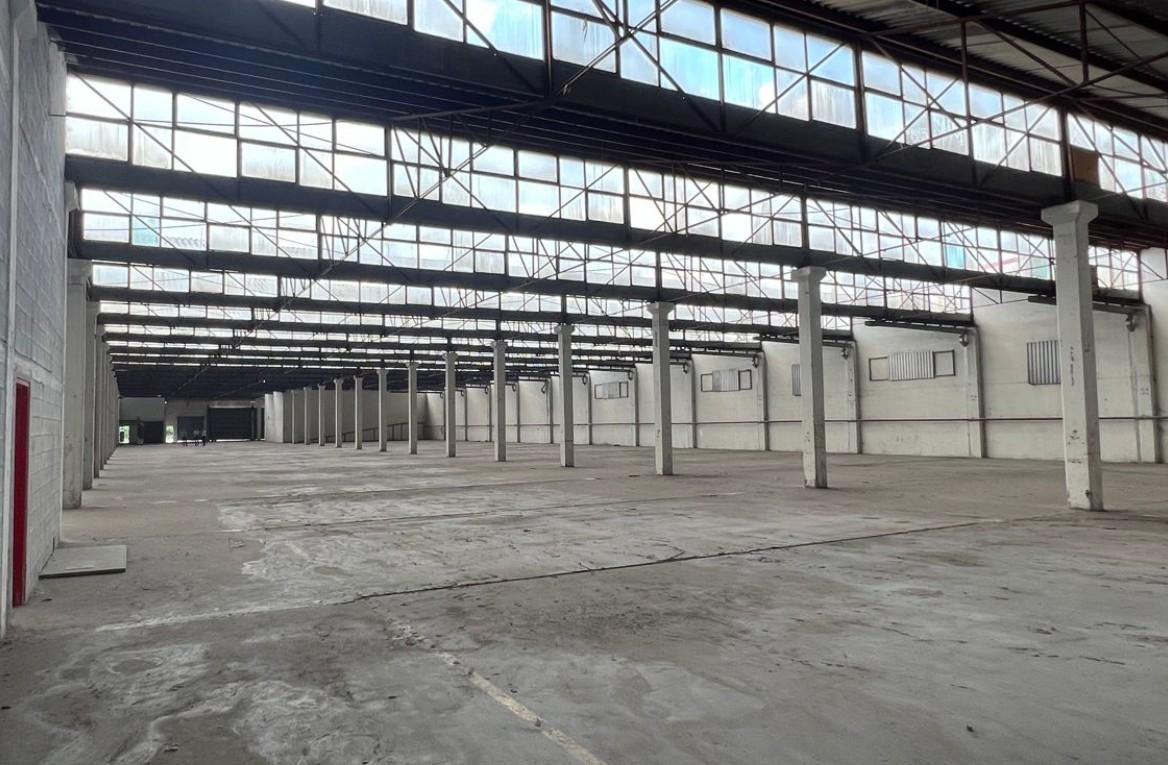
A Class C industrial building in Mexico represents the lowest quality category within the industrial real estate market.
These properties are generally older industrial facilities constructed before the 1980s or early 1990s, often built according to outdated construction standards.
Many Class C buildings were originally used for manufacturing and later converted into storage warehouses or light industrial facilities.
Because of their age, these buildings often lack modern logistics infrastructure and may require upgrades before being used for contemporary industrial operations.
Typical characteristics include:
- interior clear heights below 6 meters
- outdated construction materials
- minimal loading infrastructure
- limited maneuvering space for trucks
- older electrical and mechanical systems
- little or no fire protection infrastructure
For international investors, these characteristics require careful evaluation before committing to a facility.
Typical Characteristics of Class C Industrial Buildings
Class C industrial buildings are generally identified by several structural and operational characteristics.
Older construction
- Many Class C facilities were built before modern industrial construction standards became common.
As a result, these buildings often lack insulation, modern materials, and advanced structural design.
Lower ceiling heights
- Interior heights are typically below 6 meters, which can limit warehouse storage capacity and reduce operational flexibility.
Limited loading infrastructure
- Some buildings may lack loading docks entirely, relying instead on ground-level access for trucks.
Minimal logistics infrastructure
- Truck maneuvering space is often limited or nonexistent, making large logistics operations difficult.
Outdated fire protection systems
- Some facilities may have only basic hydrant systems or no fire protection at all, requiring upgrades before occupancy.
Because of these limitations, Class C buildings rarely meet the standards required by multinational manufacturers.
Why Class C Buildings Still Exist in Mexico’s Industrial Market
Despite their limitations, Class C buildings remain present in many Mexican cities.
Several factors explain why they continue to exist in the industrial market.
Historical industrial development
- Many industrial zones in Mexico developed decades ago, long before modern logistics requirements existed.
Older factories built during earlier industrialization phases still remain in operation today.
Conversion of former manufacturing plants
- Some Class C buildings were originally manufacturing facilities that were later converted into warehouses or storage facilities.
Lower rental costs
- These buildings typically offer the lowest rental prices in the industrial real estate market, making them attractive to smaller businesses.
Urban industrial zones
- Many older facilities are located closer to city centers, where land values are high but redevelopment has not yet occurred.
Advantages of Class C Industrial Buildings
Although these properties present challenges, they can offer several advantages in specific situations.
Very low rental costs
- Rental prices for Class C buildings can be significantly lower than for Class A or Class B properties.
For small companies or startups, this cost advantage can be attractive.
Immediate availability
- Older buildings often have higher vacancy rates, allowing companies to secure space quickly without waiting for new construction.
Central locations
- Some Class C facilities are located in older industrial districts close to urban labor markets, which can simplify workforce access.
Risks of Class C Industrial Buildings for Foreign Investors
For international investors and manufacturers, Class C facilities also present significant risks.
Infrastructure limitations
- Older buildings may not support modern production requirements, particularly for high-volume manufacturing.
Electrical capacity
- Many older facilities have limited power supply, which may not meet the needs of modern production equipment.
Safety compliance
- Upgrades may be required to comply with international safety standards and fire protection requirements.
Logistics inefficiency
- Limited truck access and maneuvering space can increase operational costs.
Renovation costs
- In some cases, upgrading a Class C building may become more expensive than leasing a newer facility.
Because of these factors, Class C buildings are rarely selected by multinational manufacturers entering Mexico.
When Class C Buildings May Still Make Sense
Despite the risks, there are situations in which Class C buildings may still be a viable option.
These include:
Short-term storage operations
- Companies may use older warehouses temporarily for inventory storage.
Low-intensity manufacturing
- Certain light industrial operations may function without advanced logistics infrastructure.
Small local operations
- Local suppliers or small manufacturers often operate successfully in older facilities.
Property redevelopment opportunities
- Some investors purchase Class C buildings for redevelopment into modern industrial properties.
In rapidly growing industrial markets, this strategy can generate significant long-term value.
The Future of Class C Industrial Buildings in Mexico
As nearshoring continues to drive industrial growth, the role of Class C buildings in Mexico’s industrial market is gradually changing.
Many older industrial zones are now being redeveloped into modern logistics parks or mixed-use industrial areas.
At the same time, developers are focusing heavily on building new Class A industrial facilities to meet growing demand from multinational manufacturers.
Over time, this trend is likely to reduce the share of Class C buildings within Mexico’s industrial real estate market.
Conclusion
Class C industrial buildings represent the oldest segment of Mexico’s industrial real estate market. While these properties may offer very low rental costs and quick availability, they also present significant operational and infrastructure limitations.
For most international manufacturers entering Mexico, modern Class A industrial buildings remain the preferred option. However, in certain situations—such as temporary storage, small-scale production, or redevelopment projects—Class C facilities may still offer strategic value.
Careful evaluation of building condition, infrastructure, and renovation requirements is essential before selecting this type of property.
FAQ – Class C Industrial Buildings in Mexico
What is a Class C industrial building in Mexico?
A Class C industrial building is an older facility with outdated construction standards, typically built before the 1980s and lacking modern logistics infrastructure.
Are Class C buildings suitable for manufacturing?
In most cases they are not ideal for modern manufacturing because of limited infrastructure and outdated building specifications.
Why are Class C buildings cheaper?
Because they are older and lack modern specifications, these properties generally have the lowest rental prices in the industrial real estate market.
Do foreign investors use Class C buildings?
Rarely for manufacturing, but sometimes for temporary storage, small operations, or redevelopment projects.