Companies Demand Modern Industrial Warehouses: What Happens to Obsolete Buildings in Mexico?
Executive Context: Why This Question Matters Now
As nearshoring accelerates, manufacturers and logistics operators expanding into Mexico are rethinking what kind of industrial buildings actually support modern operations. The result is a clear market shift: demand is moving decisively toward modern Class A industrial warehouses, while older, technically outdated facilities are losing relevance.
For decision-makers, this is no longer a real estate detail. Building quality now directly affects productivity, scalability, compliance, and total operating cost.
The Core Shift: From Space Availability to Operational Performance
In the past, many companies evaluated industrial buildings primarily on rent per square meter. Today, that metric alone is insufficient.
Modern supply chains require:
- Faster throughput
- Higher storage density
- Safer and more automated operations
- Lower energy intensity
- Compliance with global safety and ESG standards
Older industrial buildings were not designed for these requirements. As a result, companies are actively relocating out of Class B facilities, even in strong industrial markets.
Why Obsolete Industrial Buildings Are Losing Occupancy
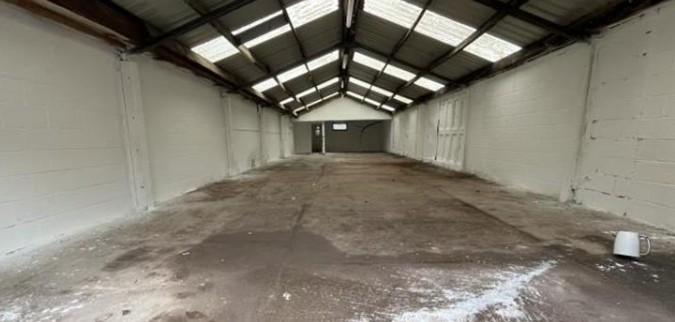
Industrial warehouses built 15–30 years ago increasingly struggle to support current operational needs. Common limitations include:
- Insufficient clear height for high-density racking
- Limited truck courts that slow inbound and outbound logistics
- Basic fire protection systems incompatible with international standards
- Poor energy efficiency and rising operating costs
- Structural constraints that limit automation and retrofitting
For nearshoring-driven operations, these constraints translate into higher total costs and slower execution—two factors that expansion teams actively avoid.
Class A Warehouses Become the New Baseline
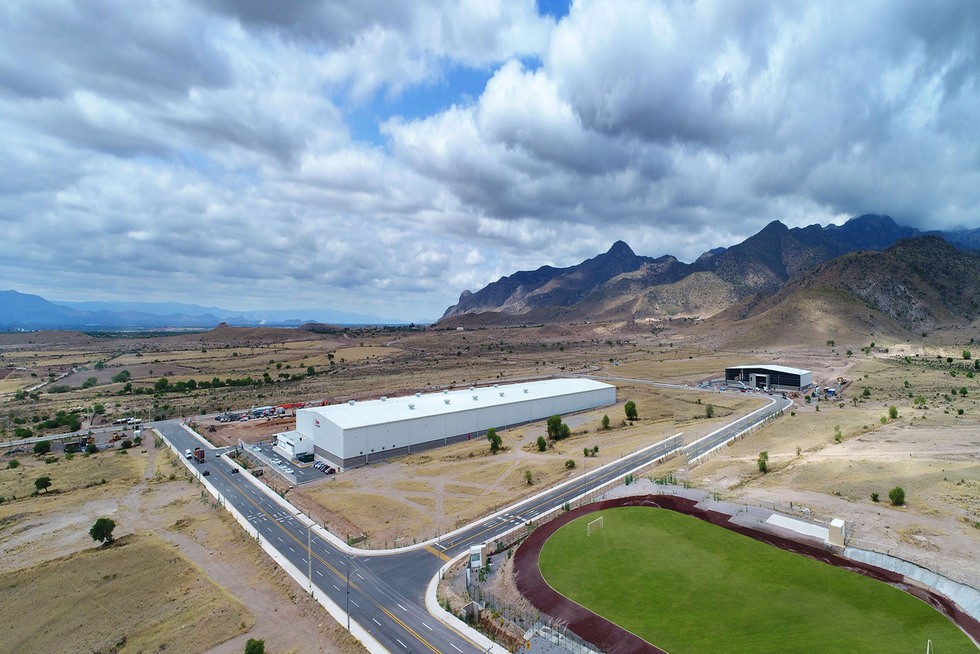
In contrast, Class A industrial buildings in Mexico are now designed around operational performance, not just space provision.
Typical Class A specifications include:
- Clear heights above 9.75 meters
- ESFR fire protection systems
- Truck courts of 35–45 meters
- Tilt-up construction
- Insulated roofing systems (e.g. KR-18)
- Infrastructure readiness for automation and energy optimization
These features allow:
- More pallets per square meter
- Faster picking and loading cycles
- Lower energy consumption
- Safer, more compliant operations
For companies scaling production or logistics, Class A is no longer a premium option—it is the operational minimum.
The Price Gap: Higher Rent, Lower Total Cost
Rental spreads between Class A and Class B buildings have widened, particularly in northern Mexico and the Bajío region where nearshoring demand is strongest.
However, executives increasingly evaluate:
- Cost per unit processed
- Energy cost per square meter
- Throughput per shift
- Downtime and operational risk
In many cases, Class A buildings reduce total operating cost, even if headline rent is higher. The decision is less about rent and more about performance economics.
Do Class B Buildings Still Have a Role?
Yes—but their role is narrowing.
Class B industrial buildings remain viable for:
- Low-rotation storage
- Light manufacturing
- Cost-sensitive operations with limited automation
- Short-term or transitional use cases
They are increasingly unsuitable for:
- High-throughput logistics
- Automated manufacturing
- ESG-driven supply chains
International operators with standardized global requirements
What Expansion Teams Should Evaluate
When selecting an industrial building in Mexico, decision-makers should ask:
- Does this building support our production and logistics model—not just today, but in three years?
- Can it scale without relocation?
- Does it meet international safety and compliance standards?
- How does it impact productivity, not just rent?
The answers often determine whether an industrial building accelerates or constrains expansion.
Conclusion: Obsolescence Is Now a Strategic Risk
The growing gap between modern and obsolete industrial buildings in Mexico is structural, not cyclical. Nearshoring is raising operational standards, and the market is responding accordingly.
For companies expanding into Mexico, choosing the right industrial building is no longer a tactical real estate decision—it is a strategic operational one.
FAQ
Why are companies leaving older industrial buildings in Mexico?Because they no longer support modern logistics, automation, safety, and energy-efficiency requirements.
Are Class A warehouses always necessary?For nearshoring, high-rotation logistics, and scalable manufacturing, yes. For low-complexity operations, Class B may still work.
Is the shift from Class B to Class A temporary?No. It reflects long-term changes in how supply chains operate.
Can obsolete industrial buildings be repositioned?In some cases, but retrofitting costs and structural limits often reduce competitiveness versus new developments.