How Many Industrial Parks Are in Mexico? A Complete Guide for Investors

Executive Summary
Mexico has become one of the most important manufacturing destinations in North America. A key factor behind this growth is the country’s extensive network of industrial parks.
Today, Mexico hosts more than 450 industrial parks across the country, supporting manufacturing, logistics, and export-oriented production for global companies. These industrial parks form the backbone of Mexico’s export manufacturing industry and play a crucial role in supporting nearshoring investment.
Industrial parks in Mexico are concentrated in several key manufacturing regions including northern border cities, central Mexico’s Bajío corridor, and major logistics hubs connected to the United States.
For companies evaluating manufacturing in Mexico, understanding where industrial parks are located and how they support industrial development is an important first step in selecting the right location.
Mexico’s Industrial Park Network
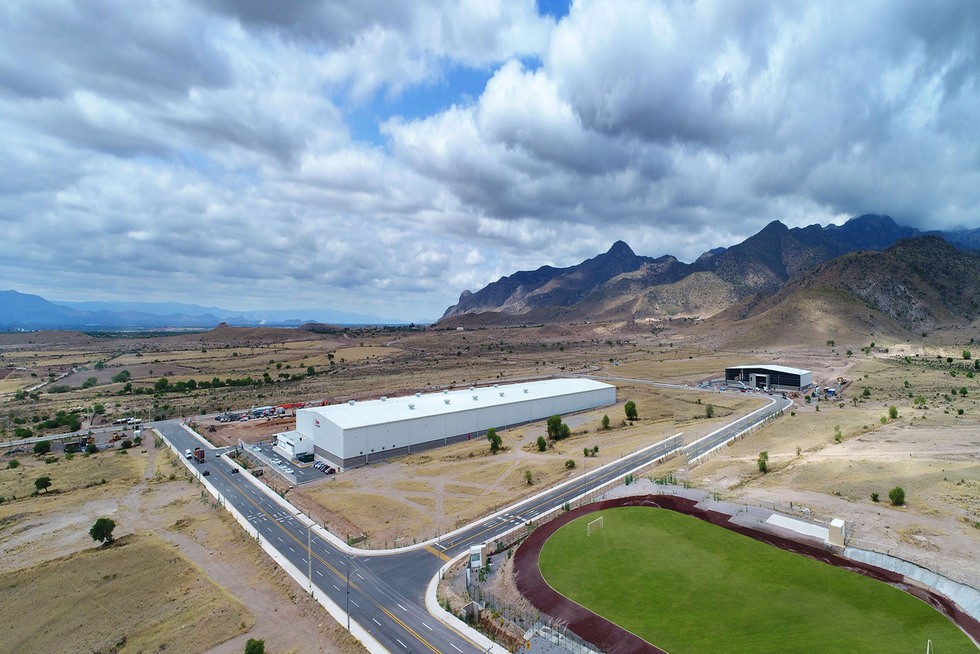
Industrial parks in Mexico provide the infrastructure that allows international companies to establish manufacturing operations efficiently.
Across the country, these parks typically offer:
- Class-A industrial buildings
- build-to-suit manufacturing facilities
- utilities such as electricity, water, and natural gas
- logistics infrastructure for export operations
- proximity to labor markets and suppliers
The development of industrial parks has been a key driver of Mexico’s success as a global manufacturing hub.
How Many Industrial Parks Are in Mexico?
Mexico hosts more than 450 industrial parks, according to industry estimates and industrial real estate associations.
These parks are distributed across multiple industrial regions and support industries ranging from automotive manufacturing to electronics, aerospace, logistics, and advanced manufacturing.
Industrial parks in Mexico are developed by both private developers and government-supported industrial zones, creating a diverse industrial real estate market.
As nearshoring investment accelerates, the number of industrial parks in Mexico continues to grow.
Where Are Industrial Parks in Mexico Located?
Industrial parks in Mexico are concentrated in several key manufacturing regions across the country.
The most important industrial regions include:
- Northern border states
- The Bajío manufacturing corridor
- Central Mexico logistics hubs
- Emerging industrial zones in southern Mexico
Each region supports different industries and supply chain strategies.
Northern Border Manufacturing Hubs
Northern Mexico hosts some of the largest concentrations of industrial parks in Mexico due to its proximity to the United States.
Major manufacturing cities include:
Monterrey
Monterrey is the largest industrial real estate market in Mexico, hosting more than 120 industrial parks. The region supports automotive, electronics, appliance manufacturing, and logistics operations.
Tijuana
Tijuana hosts more than 60 industrial parks and forms part of the Cali-Baja cross-border manufacturing region. The city is known for electronics manufacturing, medical devices, and aerospace production.
Ciudad Juárez
Ciudad Juárez hosts more than 50 industrial parks and is one of the largest maquiladora manufacturing centers in Mexico, producing automotive components, electronics, and industrial equipment.
These northern cities play a central role in supporting export manufacturing to the United States.
The Bajío Manufacturing Corridor
The Bajío region has become one of the most important manufacturing corridors in Mexico.
The region includes several major industrial states:
- Guanajuato
- Querétaro
- San Luis Potosí
- Aguascalientes
Together, these states host more than 200 industrial parks, supporting a large automotive manufacturing ecosystem.
Major automotive manufacturers operating in the region include:
- Toyota
- Honda
- Mazda
- BMW
- General Motors
The Bajío region has attracted significant foreign investment thanks to its central location and strong industrial infrastructure.
Central Mexico Logistics and Manufacturing
Central Mexico also hosts numerous industrial parks supporting logistics and manufacturing operations.
Cities in this region benefit from proximity to Mexico City and major transportation corridors connecting the country’s industrial regions.
Industrial parks in central Mexico support industries such as:
- logistics and distribution
- consumer goods manufacturing
- industrial equipment production
What Industries Operate in Industrial Parks in Mexico?
Industrial parks in Mexico support a wide range of industries that supply global markets.
Automotive Manufacturing
Mexico is one of the largest vehicle exporters in the world, and many automotive suppliers operate inside industrial parks across the country.
Electronics Manufacturing
Electronics manufacturing is another major industry operating in industrial parks, particularly in northern Mexico.
Products include:
- televisions
- telecommunications equipment
- electronic components
Aerospace Manufacturing
Mexico has developed an important aerospace industry with clusters in Querétaro and northern Mexico.
Logistics and Distribution
Many industrial parks support logistics and distribution operations serving both domestic and international markets.
Nearshoring Is Increasing Demand for Industrial Parks
Nearshoring in Mexico has significantly increased demand for industrial parks across the country.
Companies relocating production from Asia to North America are increasingly selecting Mexico due to:
- proximity to the U.S. market
- strong manufacturing ecosystem
- competitive production costs
- trade agreements such as USMCA
As a result, new industrial park developments continue to emerge in multiple regions.
Choosing the Right Industrial Park in Mexico
Although Mexico hosts hundreds of industrial parks, selecting the right location requires careful analysis.
Companies typically evaluate factors such as:
- logistics connectivity
- electricity infrastructure
- water availability
- workforce access
- supplier proximity
Industrial parks can vary significantly in infrastructure and operational advantages.
How Mexecution Supports Industrial Site Selection
With hundreds of industrial parks across Mexico, companies often require guidance when identifying the most suitable location.
At Mexecution, we support international companies in evaluating industrial locations and selecting the right manufacturing sites.
Our team maintains a curated database of more than 300 industrial parks and industrial real estate opportunities across Mexico, helping companies identify suitable locations for manufacturing and logistics operations.
By combining market intelligence with technical site analysis, we help companies identify locations that match their operational and supply chain requirements.
Industrial Parks in Mexico by Region
For investors exploring specific locations, we have published additional guides covering major industrial regions in Mexico:
- Industrial Parks in Monterrey
- Industrial Parks in Tijuana
- Industrial Parks in Ciudad Juárez
- Industrial Parks in Querétaro
- Industrial Parks in the Bajío Region
Each guide explores the key industrial zones, industries, and infrastructure that support manufacturing operations in these regions.
FAQ – Industrial Parks in Mexico
How many industrial parks are in Mexico?
Mexico hosts more than 450 industrial parks distributed across multiple manufacturing regions.
Where are most industrial parks located in Mexico?
The largest concentrations are located in northern border cities and the Bajío manufacturing corridor.
Why do companies use industrial parks in Mexico?
Industrial parks provide ready infrastructure, logistics connectivity, and access to skilled labor, allowing companies to establish manufacturing operations efficiently.
Which industries operate in industrial parks in Mexico?
Key industries include automotive manufacturing, electronics, aerospace, logistics, and advanced manufacturing.