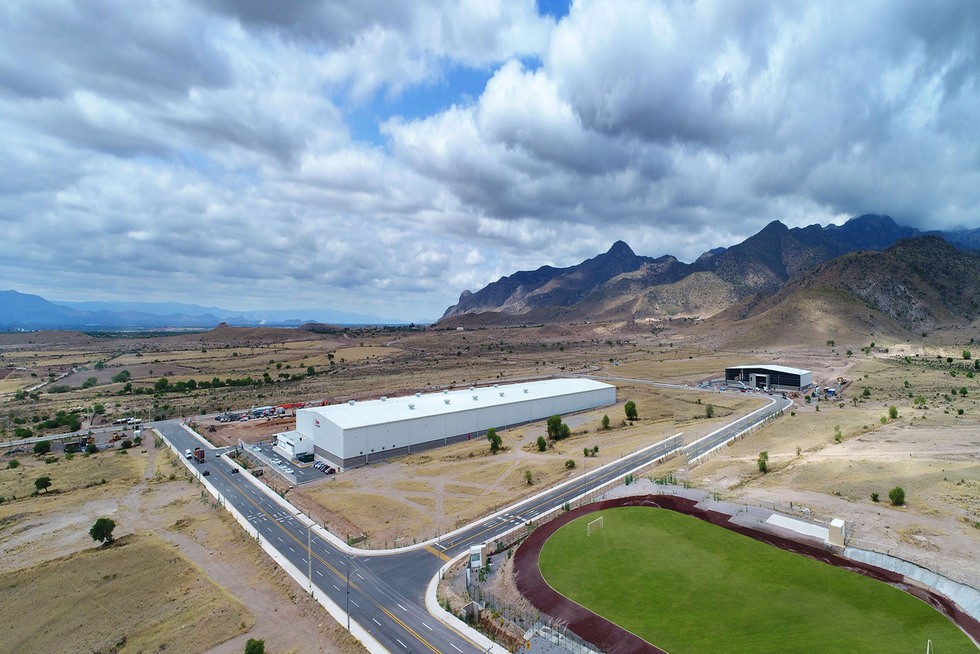
Industrial Building Classes in Mexico: Class A vs B vs C Explained
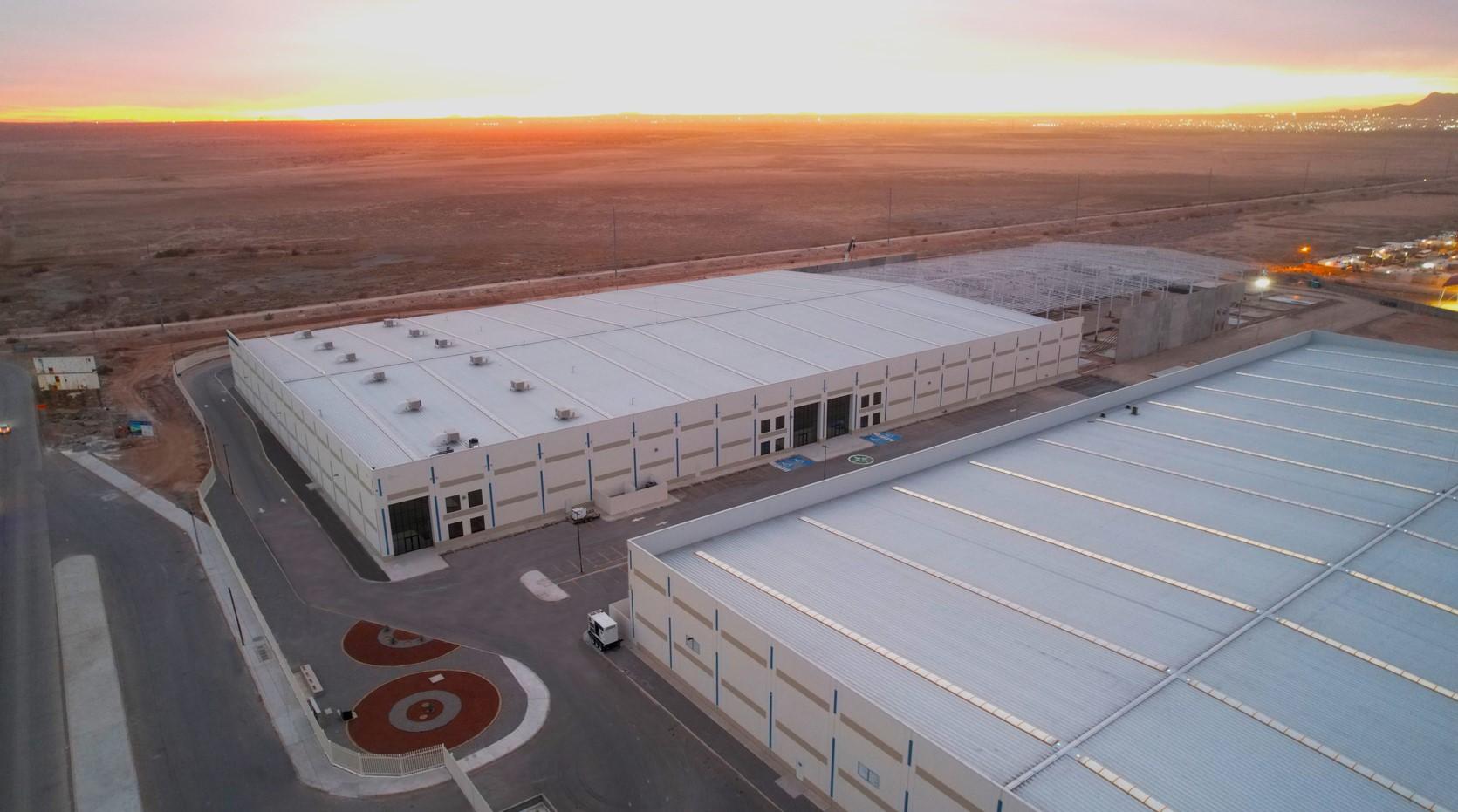
Executive Summary
Companies expanding production or logistics operations into Mexico quickly encounter a common classification used across the industrial real estate market: Class A, Class B, and Class C industrial buildings.
These categories help investors, developers, and tenants quickly evaluate the quality, specifications, location, and operational suitability of an industrial property. However, the classification is often misunderstood by companies entering the Mexican market for the first time.
Choosing the wrong building class can have significant operational consequences. Ceiling heights, fire protection systems, loading infrastructure, truck yard space, and location within industrial parks all directly affect production efficiency, logistics costs, and future scalability.
This guide explains the differences between Class A, Class B, and Class C industrial buildings in Mexico, what companies must evaluate before leasing or purchasing a facility, and how these building types fit into Mexico’s rapidly growing industrial market driven by nearshoring and supply chain relocation.
Understanding Industrial Building Classifications in Mexico
In Mexico’s industrial real estate market, warehouses and manufacturing buildings are generally classified into three categories:
- Class A
- Class B
- Class C
The classification reflects the technical specifications, construction quality, location, infrastructure, and operational functionality of the property.
For companies entering Mexico, understanding this classification is essential because it influences:
- rental costs
- operational efficiency
- logistics performance
- scalability of production
- long-term asset value
Industrial buildings are not evaluated solely based on age. Instead, the classification considers a combination of factors such as:
- compliance with modern building standards
- design flexibility for different industrial users
- access to infrastructure and workforce
- security and logistics accessibility
- maintenance condition
- absence of legal or environmental restrictions
A building located in a strategic industrial corridor with modern specifications will typically fall into a higher category than an older facility with limited functionality.
Key Criteria That Determine Industrial Building Quality
When investors or tenants evaluate an industrial property in Mexico, several attributes determine its classification.
1. Compliance with Modern Industrial Standards
A high-quality building meets current industrial standards in areas such as:
- structural design
- fire protection
- loading docks
- truck circulation
- electrical capacity
- safety systems
Buildings developed according to international industrial specifications typically qualify as Class A properties.
2. Flexible Design and Operational Adaptability
Industrial buildings with generic and flexible layouts are more attractive because they can accommodate a wider range of users.
For example:
- manufacturing
- logistics
- distribution
- assembly operations
Developers therefore design modern buildings with large column spacing, high ceilings, and modular layouts.
3. Strategic Location
Location plays a critical role in building classification.
A strong industrial location typically offers:
- reliable infrastructure
- proximity to highways, rail or ports
- access to skilled labor
- stable utilities (electricity, water, telecom)
- safe logistics routes
Industrial buildings inside planned industrial parks with controlled access, security, and shared infrastructure generally fall into higher categories.
4. Infrastructure and Public Services
The availability of infrastructure strongly influences the attractiveness of an industrial property.
Key infrastructure factors include:
- electricity capacity
- water supply
- fiber connectivity
- road access
- public transportation
- logistics corridors
Industrial parks in regions such as Monterrey, Bajío, Tijuana, and Ciudad Juárez have become major investment hubs because they combine these infrastructure advantages.
5. Operational Costs
Another factor influencing building classification is the cost structure associated with the property, including:
- maintenance costs
- park fees
- security services
- shared infrastructure costs
Higher-quality industrial parks usually offer better services but also involve higher operational costs.
6. Absence of Legal or Environmental Restrictions
Industrial buildings should be free from issues that could limit their use, such as:
environmental contamination
- legal disputes
- zoning restrictions
- property liens
These factors are carefully evaluated during due diligence when companies acquire or lease industrial properties in Mexico.
Class A Industrial Buildings in Mexico
Class A industrial buildings represent the highest-quality segment of the industrial real estate market.
Most new developments built after 2000 fall into this category and are typically located inside modern industrial parks.
These facilities are designed to meet the requirements of international manufacturers and logistics companies.
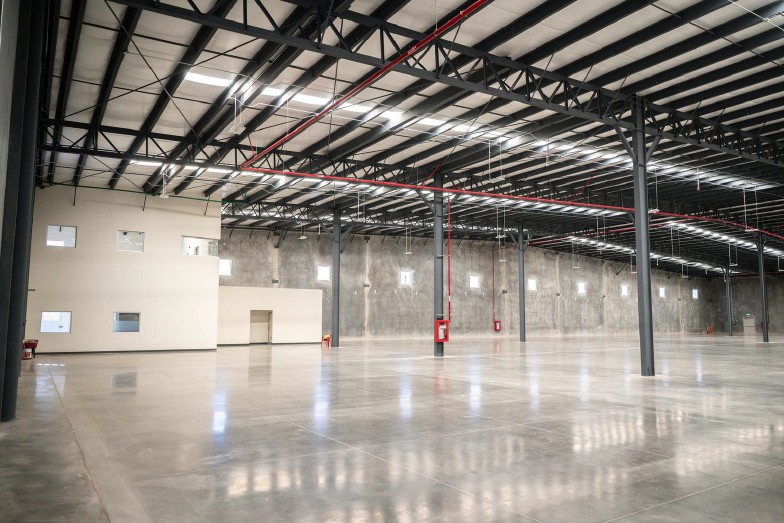
Typical Characteristics of Class A Industrial Buildings
Class A buildings generally include:
- modern construction standards
- high-quality architectural design
- prime industrial park locations
- advanced safety systems
- modern logistics infrastructure
Typical technical specifications include:
- interior clear heights of 8–12 meters or more
- modern LED or high-efficiency lighting
- loading docks for large-scale logistics
- wide truck maneuvering yards
- fire protection systems with sprinkler preparation
- concrete tilt-up or high-quality industrial façade systems
- insulated roofing systems (such as KR-18)
Class A facilities are commonly used by:
- automotive manufacturers
- electronics producers
- aerospace suppliers
- logistics providers
- e-commerce distribution centers
Because of their quality and strategic location, these buildings typically command the highest rental prices in the market, often denominated in U.S. dollars.
Class B Industrial Buildings in Mexico
Class B buildings represent a middle segment of the industrial market.
These buildings generally offer solid operational functionality but do not meet the most modern specifications of Class A facilities.
Many Class B buildings were constructed during the 1980s and 1990s, although some newer facilities may also fall into this category depending on their design.
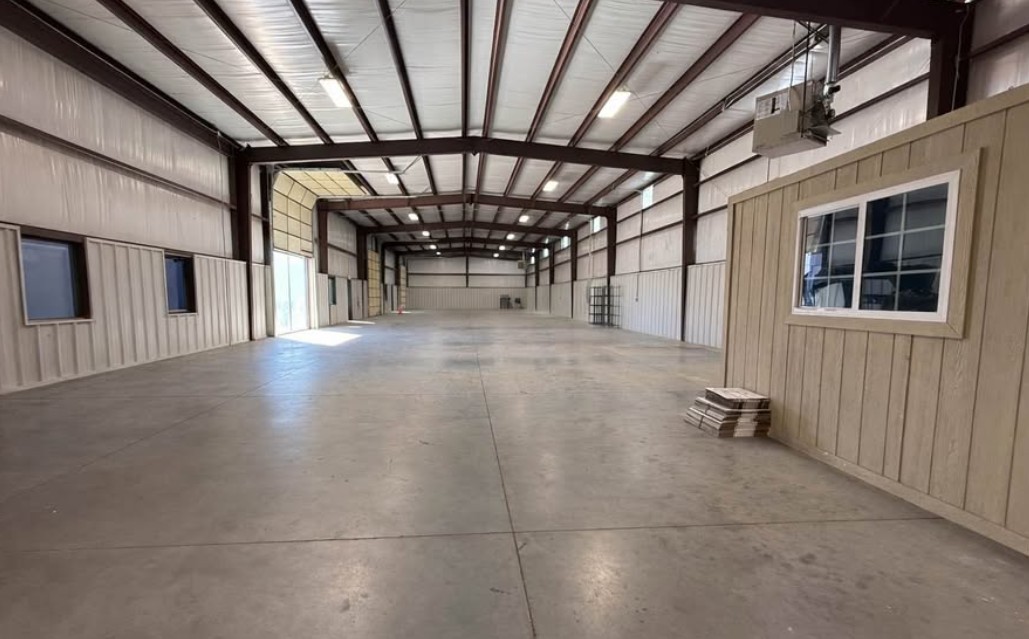
Typical Characteristics of Class B Buildings
Class B industrial buildings often feature:
- interior clear heights of 6–8 meters
- fluorescent or older lighting systems
- fewer loading docks
- smaller truck maneuvering areas
- basic fire protection infrastructure
- simpler exterior construction materials
- Many of these buildings are stand-alone facilities, meaning they are not located within industrial parks.
Despite their limitations, Class B buildings can still be attractive for many companies because they offer good functionality at lower cost.
Typical users include:
- mid-sized manufacturers
- regional logistics operators
- suppliers serving local industries
Rental contracts for Class B buildings are frequently priced in Mexican pesos, making them more accessible for smaller companies.
Class C Industrial Buildings in Mexico
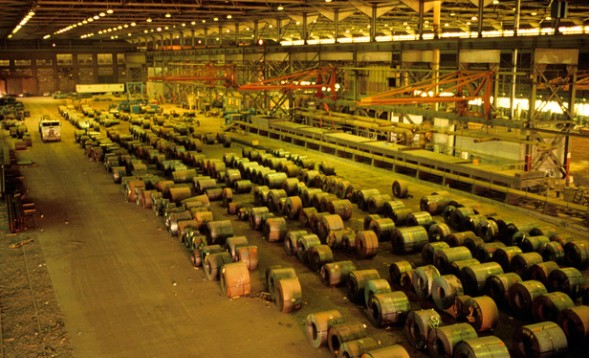
Class C buildings represent the oldest segment of the industrial building stock.
These facilities were often constructed before the 1980s and were sometimes originally designed for other purposes.
Many Class C properties are former factories converted into warehouses or storage facilities.
Typical Characteristics of Class C Buildings
Common characteristics include:
- interior clear heights below 6 meters
- minimal loading infrastructure
- limited truck maneuvering space
- basic or absent fire protection systems
- outdated roofing or wall materials
- limited natural lighting
- older electrical infrastructure
- Because of their age and limitations, these buildings are typically occupied by:
- small businesses
- local distributors
- storage operators
However, many Class C buildings are candidates for redevelopment or replacement, particularly in high-demand industrial regions.
Mixed-Class Industrial Buildings
In practice, many industrial buildings do not fit perfectly into a single category.
Some properties may combine characteristics from different classes.
For example:
- a Class B building may have recently upgraded lighting and fire protection
- a Class A facility may have an older structural design
In these cases, buildings are sometimes described using hybrid classifications, such as:
- A-
- B+
- B-
These labels indicate that the building contains features slightly above or below the typical characteristics of its category.
Why Industrial Building Class Matters for Companies Entering Mexico
For companies expanding into Mexico, selecting the right building class is a strategic decision.
Choosing an inappropriate facility can create operational challenges such as:
- inefficient logistics operations
- production constraints
- safety compliance issues
- limited scalability
For example:
- automotive suppliers typically require Class A facilities
- regional distribution centers may operate effectively in Class B properties
- small storage operations may use Class C warehouses
Understanding these differences helps companies align their facility choice with their operational requirements.
The Growing Demand for Class A Industrial Buildings
Mexico’s industrial real estate market has experienced significant growth due to nearshoring and supply chain relocation.
Global manufacturers are increasingly moving production closer to North America to improve supply chain resilience and reduce logistics risk.
As a result, demand for modern Class A industrial buildings has surged in major manufacturing hubs such as:
- Monterrey
- Tijuana
- Ciudad Juárez
- Querétaro
- Guadalajara
- Saltillo
Developers have responded by building new industrial parks designed specifically for international manufacturing and logistics operations.
Conclusion: Choosing the Right Industrial Building in Mexico
Industrial building classifications provide a useful framework for evaluating the quality and functionality of industrial properties in Mexico.
While Class A buildings offer the most advanced infrastructure, Class B and Class C properties can still be viable options depending on operational requirements and budget.
Companies planning production or logistics operations in Mexico should carefully evaluate:
- ceiling height
- loading infrastructure
- fire protection systems
- truck maneuverability
- location and logistics connectivity
- workforce availability
Selecting the right building type is a critical step in building an efficient and resilient supply chain in North America.
FAQ
What is a Class A industrial building in Mexico?
A Class A industrial building in Mexico is a modern facility that meets current industrial standards, typically located in a controlled industrial park and equipped with advanced logistics infrastructure and safety systems.
What is the difference between Class A and Class B industrial buildings?
Class A buildings are newer, have higher ceilings, more loading docks, and modern safety systems, while Class B buildings are older and offer fewer advanced features but often come at lower rental costs.
Are Class B buildings suitable for manufacturing?
Yes. Many mid-sized manufacturers successfully operate in Class B facilities, especially when their production process does not require high ceilings or large logistics infrastructure.
Why are Class A buildings more expensive?
Class A buildings provide better infrastructure, prime locations, modern specifications, and greater operational efficiency, which increases their value and rental price.
Do companies still use Class C industrial buildings?
Yes, but primarily for storage, small-scale operations, or temporary use. Many Class C buildings are gradually being replaced by newer industrial developments.