Industrial Buildings in Mexico: A Complete Guide for Manufacturers and Investors

Executive Summary
Mexico has become one of the most attractive manufacturing destinations in the world. The country’s strategic location next to the United States, combined with competitive labor costs and strong trade agreements, has made it a central hub for North American supply chains.
As a result, demand for industrial buildings in Mexico has grown rapidly in recent years. Companies relocating production from Asia or expanding their North American operations are increasingly searching for manufacturing facilities, logistics centers, and distribution warehouses across the country.
However, selecting the right industrial facility in Mexico requires more than simply finding available space. Industrial properties differ significantly in terms of construction standards, infrastructure quality, logistics access, and long-term operational efficiency.
For international investors and manufacturers, understanding how industrial buildings in Mexico are classified and what factors influence site selection is essential before committing to a property.
This guide explains how the Mexican industrial real estate market works, what types of buildings exist, and what companies should evaluate when choosing a facility.
The Industrial Real Estate Market in Mexico
Mexico’s industrial real estate sector has evolved significantly over the past three decades.
During the early stages of industrialization, many factories and warehouses were built as standalone buildings located near major cities. These properties often form what is now classified as Class B or Class C industrial buildings.
Over the last 20 years, however, the market has shifted toward large-scale industrial parks designed specifically for modern manufacturing and logistics operations.
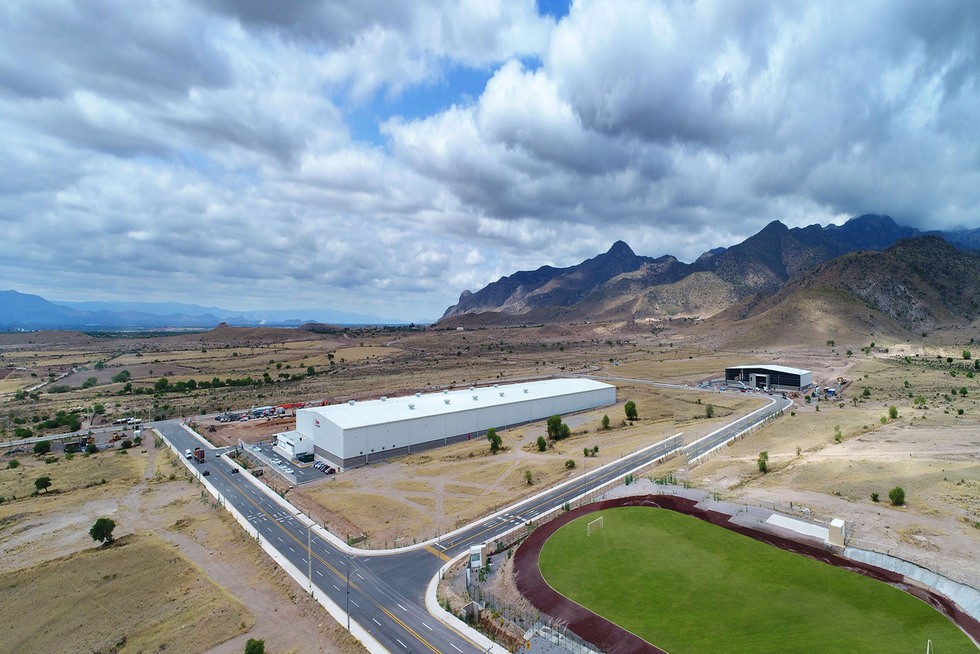
Today, most new industrial developments in Mexico consist of Class A industrial facilities located within organized industrial parks. These developments offer improved infrastructure, security, and access to utilities, making them attractive to multinational companies.
Major industrial hubs include:
- Monterrey
- Tijuana
- Ciudad Juárez
- Querétaro
- Guadalajara
- Saltillo
- Reynosa
These regions have become key destinations for global manufacturers relocating production to North America.
How Industrial Buildings in Mexico Are Classified
Industrial buildings in Mexico are typically categorized into three main classes based on construction standards, building quality, and operational functionality.
These categories include:
Class A industrial buildings
Modern facilities built according to international manufacturing and logistics standards.
Class B industrial buildings
Older buildings that still provide functional industrial space but with simpler infrastructure.
Class C industrial buildings
Older facilities that often lack modern logistics features and may require renovation or upgrades.
Understanding these classifications helps investors and manufacturers evaluate whether a building meets their operational needs.
Class A Industrial Buildings in Mexico
Class A facilities represent the highest quality industrial buildings available in Mexico.
These properties are typically newly constructed and designed specifically for modern logistics and manufacturing operations.
Key characteristics include:
- clear interior heights between 8 and 12 meters
- modern construction materials such as tilt-up concrete
- insulated roofing systems
- large truck maneuvering yards
- multiple loading docks
- advanced fire protection systems
- modern lighting and energy infrastructure
Most Class A facilities are located within industrial parks with controlled access and shared infrastructure.
These buildings are commonly used by:
- multinational manufacturers
- automotive suppliers
- electronics companies
- logistics providers
- global distribution centers
For companies entering Mexico’s export manufacturing sector, Class A buildings usually represent the safest and most efficient option.
Class B Industrial Buildings in Mexico
Class B facilities represent the mid-tier segment of the industrial real estate market.
These buildings are typically older but still provide reliable functionality for many industrial operations.
Common characteristics include:
- clear heights between 6 and 8 meters
- older construction materials
- limited loading dock infrastructure
- smaller maneuvering yards
- simpler lighting systems
- Many Class B buildings were constructed between the 1980s and early 2000s.
- They are often standalone properties located outside modern industrial parks.
Despite these limitations, Class B buildings remain widely used across Mexico’s manufacturing sector and can provide cost-efficient options for companies entering the market.
Class C Industrial Buildings in Mexico
Class C buildings represent the oldest segment of the industrial property market.
These facilities were typically constructed before the 1980s and often lack modern industrial infrastructure.
Typical characteristics include:
- interior heights below 6 meters
- outdated construction materials
- limited loading infrastructure
- minimal truck maneuvering space
- older electrical systems
- Many Class C properties were originally manufacturing plants that were later converted into warehouses.
While these buildings may offer low rental costs, they are rarely selected by multinational companies due to operational limitations.
Key Factors When Choosing Industrial Buildings in Mexico
When evaluating industrial properties, companies should consider several strategic factors beyond building classification.
Location and logistics infrastructure
- Access to highways, border crossings, rail connections, and ports can significantly impact supply chain efficiency.
Labor availability
- Manufacturing operations require access to skilled workers and labor markets.
Energy capacity
- Industrial facilities must support sufficient electrical infrastructure for production equipment.
Expansion potential
- Companies planning long-term growth should ensure that additional space is available for future expansion.
Industrial park infrastructure
- Industrial parks can provide shared infrastructure such as security, utilities, and maintenance services.
A structured site selection process helps companies analyze these factors before selecting a facility.
Why Mexico’s Industrial Market Is Growing
Mexico’s industrial real estate market continues to expand due to several structural advantages.
Nearshoring
Companies relocating production closer to North America are increasingly selecting Mexico as a manufacturing base.
USMCA trade agreement
The USMCA provides tariff advantages for goods produced within North America.
Competitive labor costs
Mexico offers a skilled manufacturing workforce at competitive labor costs compared to the United States.
Strong industrial ecosystem
The country has developed large supplier networks in sectors such as automotive, electronics, and aerospace.
These factors continue to drive demand for industrial buildings in Mexico, particularly in major manufacturing regions.
Why Site Selection Matters for Foreign Investors
Choosing the right industrial building is one of the most important decisions when expanding into Mexico.
Companies must evaluate not only the building itself but also the surrounding infrastructure, labor markets, and long-term expansion opportunities.
A professional site selection process can help companies identify the most suitable industrial location and avoid costly mistakes.
This process typically includes:
- regional location analysis
- labor market evaluation
- infrastructure assessment
- industrial property search
- negotiation support
For international manufacturers entering Mexico, this approach helps ensure that the selected facility supports long-term operational success.
Conclusion
Mexico’s industrial real estate market offers a wide variety of facilities for manufacturers and investors. Understanding the differences between Class A, Class B, and Class C industrial buildings is essential for selecting the right property.
While Class A buildings dominate modern industrial development, Class B and even some Class C facilities can still play a role depending on operational requirements and investment strategy.
Companies that carefully evaluate location, infrastructure, and building specifications will be best positioned to benefit from Mexico’s growing manufacturing ecosystem.
FAQ – Industrial Buildings in Mexico
What are industrial buildings in Mexico used for?
Industrial buildings in Mexico are used for manufacturing, logistics, distribution, and warehouse operations across various industries.
What is the difference between Class A, B, and C industrial buildings?
Class A buildings are modern facilities with advanced specifications, Class B buildings offer mid-level functionality, and Class C buildings are older properties with limited infrastructure.
Are industrial parks common in Mexico?
Yes. Most new industrial developments in Mexico are located within organized industrial parks that provide infrastructure and security.
Why are companies investing in industrial buildings in Mexico?
Mexico offers strategic access to the U.S. market, competitive labor costs, and strong integration into North American supply chains.