
Mexico Electronics Contract Manufacturing: 2025 Outlook and Opportunities
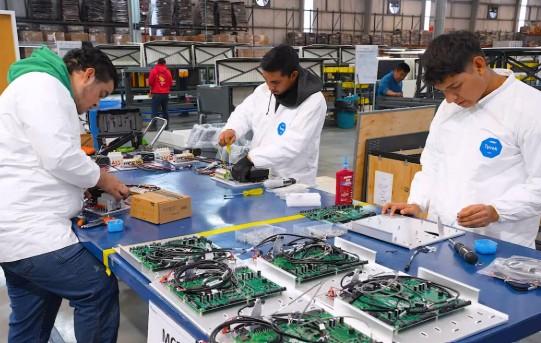
The electronics sector continues to be a cornerstone of Mexico contract manufacturing. In 2025, it stands out as a global hub—driven by robust export volumes, advanced industry clusters, smart manufacturing, and strong U.S. proximity. For firms aiming to optimize production under USMCA and respond to global supply shifts, Mexico remains a top destination.
This article explores why Mexico electronics contract manufacturing is surging in importance—covering market scale, regional strengths, technological evolution, and strategic outlook.
Exports Highlight Mexico's Electronics Strength
In 2023, Mexico exported over USD 103 billion in electronics, with 86 percent of that shipped to the United States. It ranks as the world’s largest flat-screen TV exporter and third in computer exports, reflecting global supply chain integration.
Mexico’s electronics sector now ranks among the top six globally, with consumer electronics, computers, semiconductors, and circuit boards leading the exports.
Electronics Clusters: Guadalajara & Tijuana Lead
Guadalajara, dubbed Mexico’s “Silicon Valley,” produces about 25 percent of the country’s electronics exports, with major firms like Intel, HP, GE, and Jabil present.
Tijuana and Monterrey are also major electronics manufacturing zones, hosting OEMs and EMS providers across a wide spectrum of components.
Industry Trends Powering Growth
Smart Manufacturing & Industry 4.0
Mexico is embracing automation, robotics, and digital tools. The electronics sector is at the forefront, integrating these technologies to enhance quality and productivity.
EMS Shifts due to Global Pressures
As trade tensions persist, 30–40 percent of China-based EMS production is transitioning to Mexico and Southeast Asia. The electronics demand surge—especially in high-performance computing, EVs, and 5G—is driving local EMS expansion.
Sustainability & Local Innovation
Electronics firms in Tijuana are leading on sustainability—implementing e-waste recycling and eco-friendly packaging to reduce environmental impact.
Domestic companies like Falco Electronics in Mérida serve as both global OEMs and regional design hubs, underlining Mexico’s growing electronics OEM and ODM capabilities.
Value Drivers for Electronics Contract Manufacturing
Lower Costs with Expertise
Labor savings of 30–50 percent compared to the U.S., alongside sophisticated supply chains, make electronics contract manufacturing in Mexico highly appealing.
USMCA Tariff Advantages
Electronics manufactured in Mexico often qualify for duty-free or preferential treatment entering the U.S., critical for cost-sensitive supply chains.
Geographical Efficiency
Mexico’s proximity ensures faster delivery, logistics flexibility, and stronger alignment with North American production cycles.
Stable OEM Commitments
Global brands like Foxconn, Lenovo, LG, and Samsung rely on Mexican plants for final assembly and component manufacturing to serve the North American market.
Outlook: 2025 and Beyond
As electronics contract manufacturing in Mexico evolves, several drivers stand out:
AI and automation will further enhance competitiveness and precision.
Government incentives and cluster investments around Guadalajara and Tijuana will support infrastructure and workforce growth.
U.S. firms looking for “Anything But China” strategies are increasingly routing electronics production to Mexico.
Conclusion
Electronics contract manufacturing in Mexico represents a powerful nexus of export strength, industrial clusters, smart technology adoption, and trade-ready positioning. For businesses aiming to localize production with resilience and scale, Mexico remains a strategic and future-proof partner.