Mexico’s Crackdown on Organized Crime: Between Security Reform and U.S. Pressure
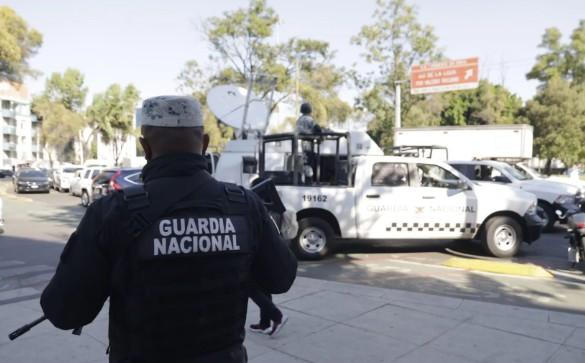
As Mexico’s new president, Claudia Sheinbaum, steps into power, she brings with her a renewed mission: confronting organized crime in Mexico while keeping the United States—especially the Trump administration—at arm’s length. Her strategy, born out of her success in Mexico City, leans on intelligence-led policing and inter-agency coordination. But can these tools tackle deeply rooted criminal networks?
From Hugs to Hard Power: Breaking with López Obrador’s Legacy
Under her predecessor, Andrés Manuel López Obrador, Mexico embraced a “hugs, not bullets” policy, focusing on poverty reduction rather than direct confrontation. But Sheinbaum is shifting away from this, dismantling militarized policing structures while expanding investigative forces. Her administration has already reported over 20,000 arrests and 154 tons of illegal drugs seized since taking office—outpacing previous efforts.
U.S. Pressure and the Rise of the MAGA Doctrine
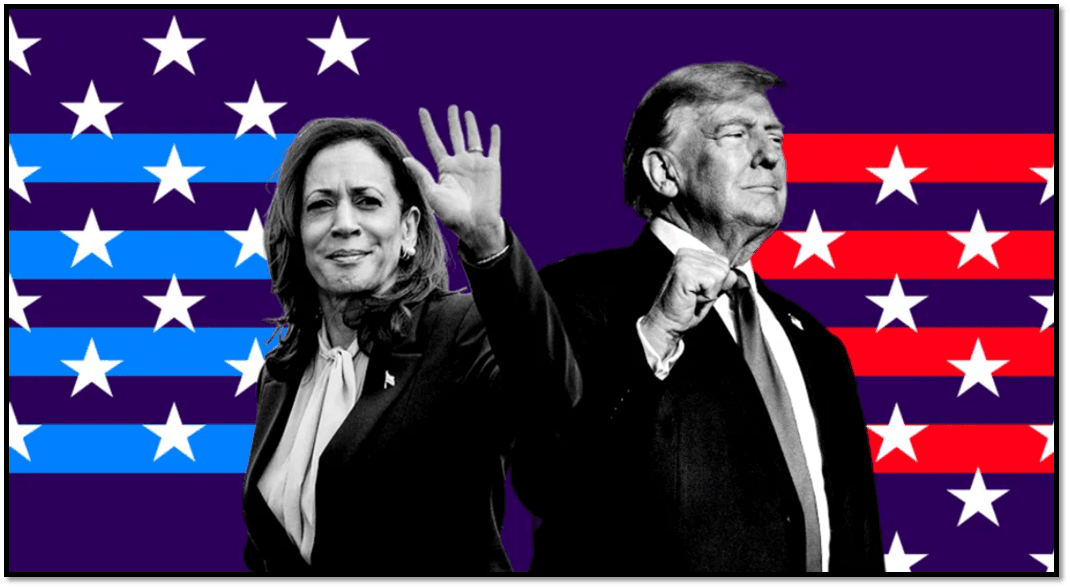
While Sheinbaum fights Mexican cartels at home, she faces mounting pressure from abroad. Former President Donald Trump and MAGA Republicans accuse Mexico of fueling the U.S. opioid crisis and illegal migration. In response, Trump has:
Designated Mexican drug cartels as foreign terrorist organizations
Imposed tariffs on Mexican exports
Threatened unilateral military actions, including drone strikes
This hardline stance has inflamed tensions and risks undermining Mexico’s sovereignty.
Real Results or Political Optics?
While fentanyl seizures at the U.S. border have dropped (as shown in recent CBP data), drug traffickers may be shifting to other illicit goods. Gang violence in Mexico remains high in many regions, and although the homicide rate has decreased since 2018, disappearances and extortion cases are on the rise.
Local efforts—like daily inter-agency meetings in Tijuana and the vetting of corrupt police officers—are producing promising structural changes. Still, critics point out that Sheinbaum has yet to fully confront collusion between government officials and criminal organizations.
The Road Ahead: Security Strategy and Political Risk
Despite improved cooperation with U.S. authorities and reduced border crossings, Sheinbaum must deal with several internal challenges:
Low security funding: Mexico spends the least on public security among OECD nations
Deep-rooted corruption: Many municipal officials remain tied to drug trafficking networks
Public trust issues: Continued gang-related violence undermines public confidence
Francisco Rivas of the National Citizen Observatory urges deeper financial investigations into cartel operations, warning that without dismantling the economic networks behind crime, enforcement efforts will fall short.
Conclusion: Mexico’s Crime War Is Far from Over
Claudia Sheinbaum’s crime strategy in Mexico may prevent drone strikes and foreign interventions for now, but winning the larger war on organized crime will take time, money, and political courage. As U.S. pressure intensifies and gang tactics evolve, Mexico must walk a fine line between strengthening internal security and preserving its autonomy.