Mexico’s Industrial Parks: The Backbone of Nearshoring and Real Estate Growth in 2025
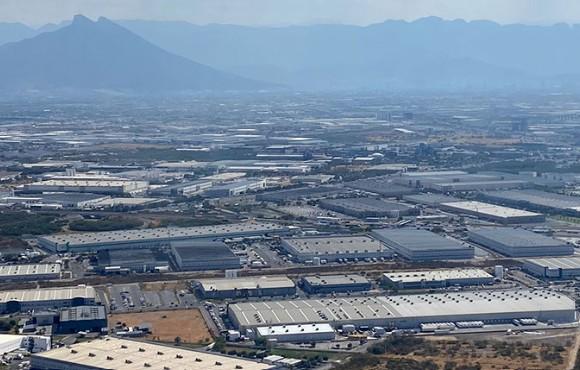
As geopolitical tensions and supply chain disruptions continue to reshape global trade, industrial parks in Mexico are becoming strategic pillars of the country’s industrial real estate boom. From Nuevo León to Querétaro, Mexico’s industrial zones are attracting manufacturers, logistics firms, and real estate investors looking to capitalize on nearshoring opportunities and stable regional infrastructure.
Nearshoring Fuels Demand for Industrial Real Estate in Mexico
Driven by the global pivot away from Asia, the nearshoring strategy in Mexico is expected to grow 25% from 2025 to 2026, especially in sectors like automotive manufacturing, electronics, and advanced technologies. Leading the charge are companies like BMW and Volvo, which are not only relocating supply chains but also attracting an ecosystem of suppliers to strategic industrial corridors.
Hotspots: Where Industrial Development Is Booming
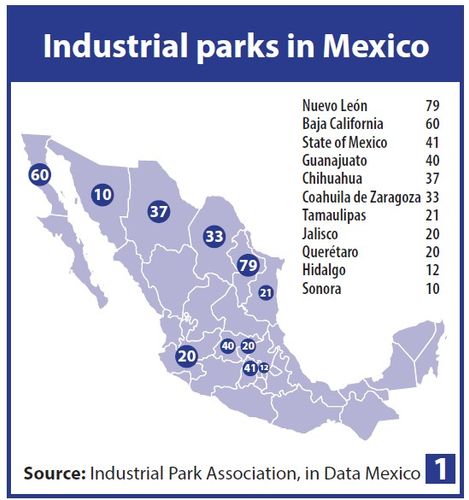
According to the Industrial Park Association, the states leading in industrial park development are:
Nuevo León – 79 parks
Baja California – 60 parks
State of Mexico – 41 parks
Guanajuato and Jalisco – 40+ parks combined
In Nuevo León, the industrial capital of Mexico, industrial occupancy grew by 7% in 2024, with Ciénega de Flores accounting for over 50% of total absorption. The area continues to be a magnet for foreign direct investment, particularly from the U.S., Argentina, Sweden, and China.
Challenges: Infrastructure, Financing, and Skilled Labor
Despite the momentum, the industrial real estate sector in Mexico must overcome infrastructure bottlenecks, limited financing, and a shortage of specialized labor. Cities like Monterrey and Tijuana lead thanks to their logistics connectivity and workforce readiness. However, rural and second-tier zones need investment in utilities, roads, and training to maintain competitive capacity.
REITs and Private Investment Strengthen the Sector
FIBRAs (Mexican Real Estate Investment Trusts) are playing a crucial role in boosting industrial development in Mexico. With 5.5 million square meters of new industrial buildings under construction, FIBRAs are actively responding to the growing demand from manufacturers relocating operations from China, Japan, and Germany.
With over 2,200 properties and 32.5 million square meters of leasable space, these trusts represent nearly 5% of Mexico’s GDP and employ over 5 million people directly and indirectly.
Outlook for 2025: Growth Amid Caution
While tariffs from the U.S. under Trump’s administration add an element of risk, analysts and industry insiders remain optimistic. Interdependence between the U.S. and Mexico continues to support manufacturing investment in Mexico. Even amid political speculation, ongoing projects, job creation, and industrial expansion remain steady.
AMPIP projects 128 new industrial park projects in Mexico through 2030, totaling over $8.6 billion in investment and 418,000 new jobs.
Conclusion: Industrial Parks Are Mexico’s Strategic Asset
The industrial real estate market in Mexico stands at the intersection of economic transformation and global manufacturing shifts. With rising demand, robust FDI, and a diversified investment landscape, Mexico’s industrial parks are not just infrastructure—they are a cornerstone of the country’s future as a manufacturing hub.