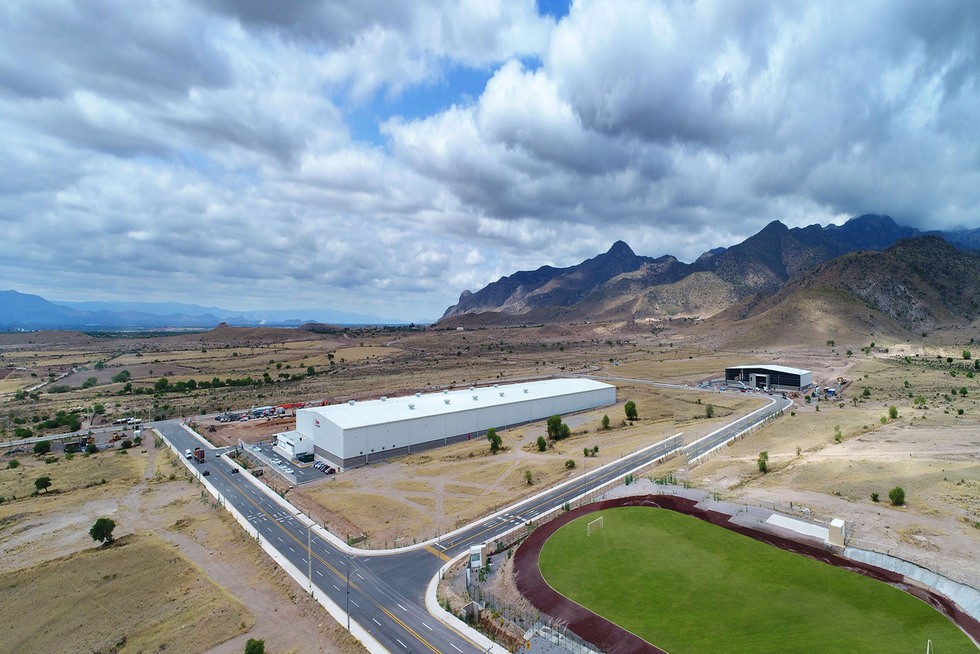
Mexico’s Textile Industry: Innovation, Growth, and Strategic Advantages for 2025
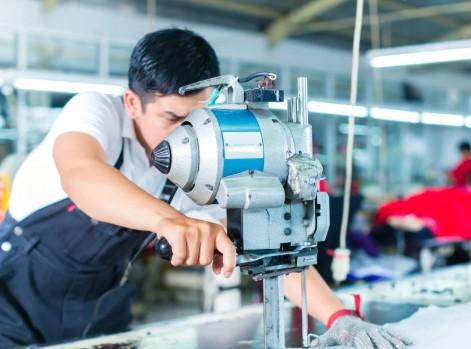
As global supply chains shift and nearshoring gains momentum, Mexico’s textile industry is weaving a new chapter of success. With centuries-old roots and forward-looking innovations, textile manufacturing in Mexico is emerging as a strategic choice for global apparel brands, technical fabric suppliers, and industrial textile producers.
In 2025, Mexico stands among the world’s top textile exporters, with modern factories, a skilled workforce, and a dense, integrated supply chain. The country’s proximity to the United States, coupled with trade advantages under the United States-Mexico-Canada Agreement (USMCA), is making it a hub for companies rethinking their sourcing strategies.
A Legacy of Textile Manufacturing in Mexico
The textile sector in Mexico dates back to the 1830s, when the first cotton mill was established in Puebla. Over nearly two centuries, this industry has expanded and adapted to new technologies and global market demands. Today, Mexico is the 8th largest textile exporter globally, with yearly exports nearing $7 billion. Of that total, $4.3 billion comes from apparel alone.
From traditional handwoven textiles to cutting-edge synthetic fibers, the industry has preserved cultural heritage while embracing high-tech innovation. This balance of tradition and modernity is precisely what makes textile manufacturing in Mexico unique and competitive.
Textile Exports and US Market Demand
Over 70% of Mexico’s textile and apparel exports are destined for the United States, the world’s largest consumer of textiles. This trade volume continues to grow as global brands diversify their supplier base away from Asia. With U.S. tariffs on Chinese imports remaining high and supply chain volatility disrupting long-distance shipping, nearshoring to Mexico is a logical and cost-effective alternative.
Under USMCA, specific origin rules such as the “yarn-forward” requirement mandate that key inputs must be sourced within North America to qualify for duty-free treatment. This has strengthened regional integration and increased demand for North American-made fabrics, threads, and finished goods.
Workforce Development: A Skilled and Adaptive Labor Pool
One of the pillars of textile manufacturing in Mexico is its workforce. From Puebla to Guanajuato, thousands of workers are trained in specialized textile production processes including:
Industrial weaving
Yarn spinning and dyeing
Textile finishing and quality control
Design and apparel assembly
Advanced machinery operation
Government-backed training programs and technical universities collaborate with manufacturers to create a talent pipeline aligned with the needs of modern textile factories. As Mexico continues to upskill its labor force, manufacturers gain access to cost-effective yet highly competent workers.
Innovation and Technology in Mexican Textile Factories
Mexico’s textile industry is no longer just about basic garments. It now includes high-performance textiles used in:
Automotive seat covers and airbags
Upholstery for furniture and hospitality sectors
Technical belts, conveyor components, and printer ribbons
Medical applications such as implants and performance fabrics
Companies operating in Mexico invest in automated looms, digital fabric printing, and environmentally friendly dyeing technologies. These innovations allow for greater speed-to-market and enhanced product customization, both of which are essential in today’s competitive global market.
Top Locations for Textile Manufacturing in Mexico
Textile manufacturing hubs are concentrated in central and northeastern states, with some notable regions including:
Puebla: The historical heart of the textile industry, now also a hub for automotive textiles due to the nearby Volkswagen plant.
Guanajuato & Jalisco: Known for leather production and footwear.
Hidalgo, Tlaxcala & Mexico State: Centers for both traditional fabrics and modern technical textiles.
Nuevo León & San Luis Potosí: Industrial strongholds with access to logistics, talent, and infrastructure.
Choosing the right location depends on your intended market segment—apparel, automotive, medical, or furniture textiles. Proximity to clients, supply chain partners, and ports is essential for maximizing competitiveness.
Leading Manufacturers and Brands Operating in Mexico
Numerous global and regional companies have made Mexico their home for textile production, including:
Toray Industries: Produces airbag fabric from its facility in Jalisco.
VF Corporation: Operates in Yucatán, supplying brands like Timberland and The North Face.
Grupo Kaltex: Manufactures yarn, acrylic fibers, and fabrics in Mexico City.
Suminoe Textile Mexico: Based in Guanajuato, they supply floor mats and seat fabrics for vehicles.
Grupo Denim: A major supplier of denim fabric for international fashion brands.
These companies benefit from Mexico’s robust infrastructure, lower operational costs, and access to U.S. markets under USMCA.
Opportunities in Mexico’s Evolving Textile Market
Mexico’s textile manufacturing industry serves three primary sectors:
Apparel: Knitwear, denim, footwear, and high-end fashion lines, with fast production cycles and access to the U.S. market.
Industrial Textiles: Automotive, aerospace, medical, and construction applications using specialized, high-performance fibers.
Furniture and Upholstery: Supporting local and global brands with upholstery fabrics and textile accessories.
Market analysts expect Mexico’s textile sector to grow by more than $4 billion between 2021 and 2026, fueled by increased fashion demand and global nearshoring strategies.
Why Companies Are Nearshoring Textile Production to Mexico
Here are the core advantages for textile and apparel companies moving production to Mexico:
Shorter lead times and faster speed to market
Lower shipping costs compared to Asia
Skilled labor force familiar with international standards
Access to trade benefits through USMCA
Proximity to the U.S. for logistics and customer service
Environmental benefits from reduced CO₂ emissions due to shorter transit
Final Thoughts
As companies look for strategic, resilient, and cost-effective production locations, textile manufacturing in Mexico offers a proven solution. Combining decades of expertise with a modern, innovative outlook, the industry is well-equipped to meet the demands of global markets across fashion, furniture, and technical textiles.
For businesses ready to expand or relocate production, Mexico provides the infrastructure, talent, and trade framework to scale operations while maintaining high quality and competitive costs.