Nearshoring Benefits – Manufacturing in Mexico vs. Asia
Cost and Lead Time Comparison
As global supply chains adapt to geopolitical shifts and rising costs, more companies are considering nearshoring to Mexico as a strategic alternative to Asian production. One of the primary drivers of this shift is the significant difference in lead time. While shipping goods from China to the U.S. can take 25–40 days, transport from Mexico to the U.S. typically takes 1–5 days, depending on the mode and distance.
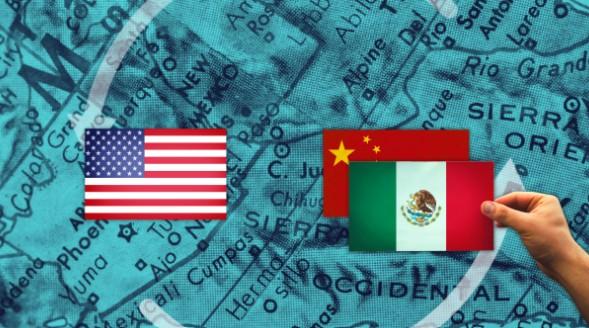
When comparing Mexico vs China manufacturing, the costs related to labor, logistics, and compliance are increasingly favorable in Mexico. Labor costs in China have risen steadily over the past decade, while Mexico continues to offer competitive wages and lower employee turnover. Add to this the absence of transoceanic shipping, and the total landed cost for U.S. buyers becomes substantially lower when sourcing from Mexico.
Additionally, fuel prices, freight rates, and container availability have made long-distance manufacturing less predictable. These cost and timeline factors make nearshoring to Mexico a logical choice for companies seeking to simplify and stabilize their supply chains.
Tariffs and Trade Agreements
Trade policies play a pivotal role in the Mexico vs China manufacturing debate. The U.S.-Mexico-Canada Agreement (USMCA) provides tariff-free access to North American markets for qualifying goods produced in Mexico. This is a major incentive, especially for automotive, aerospace, and electronics sectors that rely heavily on cross-border trade.
Conversely, goods imported from China remain subject to a range of tariffs under Section 301, making certain Chinese products 15–25% more expensive than their Mexican counterparts. Nearshoring to Mexico eliminates these extra costs and reduces exposure to further trade restrictions.
Moreover, Mexico’s extensive network of free trade agreements—covering over 50 countries—makes it a globally connected manufacturing base. The combination of tariff relief and trade integration underscores Mexico’s value as a nearshoring destination.
Risk Mitigation
The COVID-19 pandemic revealed how vulnerable global supply chains are to unexpected disruptions. From port closures to factory shutdowns, companies relying solely on Asia found themselves without critical components for weeks or even months. These challenges accelerated the nearshoring to Mexico trend, as firms sought redundancy and regionalization.
Mexico vs China manufacturing also involves political and regulatory risks. China's changing business climate, along with increasing scrutiny from Western governments, has raised concerns about IP protection, data privacy, and forced technology transfers. Mexico, by contrast, offers a more transparent legal system, cultural proximity, and a long-standing trade partnership with the U.S.
Nearshoring doesn’t eliminate all risk, but it redistributes it geographically while improving responsiveness. In sectors such as medical devices and semiconductors, this agility is crucial.
Regional Advantages of Mexico
The proximity to U.S. markets is perhaps the most compelling advantage for companies evaluating nearshoring to Mexico. Manufacturers can visit their Mexican plants within hours, conduct frequent quality checks, and integrate teams more easily across borders.
Mexican cities such as Monterrey, Tijuana, and Querétaro have evolved into world-class manufacturing centers. They offer modern infrastructure, skilled labor, and active government support for foreign investment. Bilingual talent, established supply chains, and access to regional suppliers further strengthen Mexico’s position.
Compared to remote operations in Asia, the proximity to U.S. not only improves communication and responsiveness but also enhances overall control of production. For industries with high customization needs or frequent design iterations, being physically close to the factory floor is a game-changer.
Final Thoughts
When evaluating Mexico vs China manufacturing, the case for Mexico becomes stronger by the year. From lower shipping times and costs to reduced tariffs and operational risk, the advantages of nearshoring to Mexico are numerous. As global brands rethink their sourcing strategies, Mexico continues to rise as a cornerstone of resilient, North American-centered supply chains.
For companies prioritizing speed, savings, and supply chain security, nearshoring to Mexico is not just an option—it’s a competitive imperative.