Nearshoring in Action: How Mexico’s Infrastructure Boom is Powering Manufacturing Growth
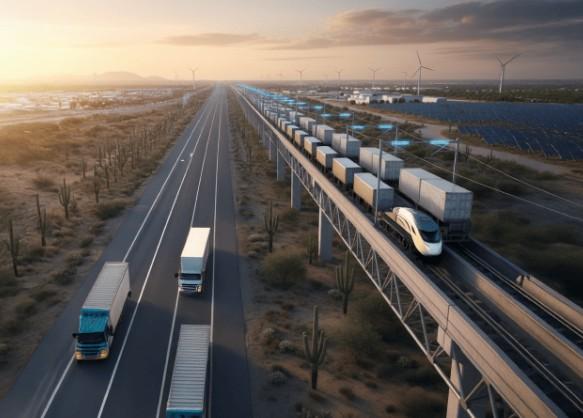
Mexico is no longer just a low-cost manufacturing location — it’s becoming the logistical backbone of nearshoring in North America. Driven by over $50 billion USD in infrastructure investment between 2023 and 2025, the country is actively transforming its highways, energy systems, railways, and ports to support a massive wave of manufacturing relocation from Asia to North America.
This infrastructure boom is not just national policy; it’s industrial strategy. For manufacturers seeking speed, resilience, and sustainability, nearshoring to Mexico now means plugging into a newly built ecosystem of highways, green corridors, smart customs, and energy upgrades — all designed to reduce lead times and increase control over operations.
Why Infrastructure Is the Missing Link in Nearshoring
Companies moving operations to Mexico need more than cost advantages — they need connectivity. Infrastructure projects are solving critical bottlenecks:
- Outdated border logistics are being replaced by smart corridors.
- Energy uncertainty is tackled by new generation and transmission projects.
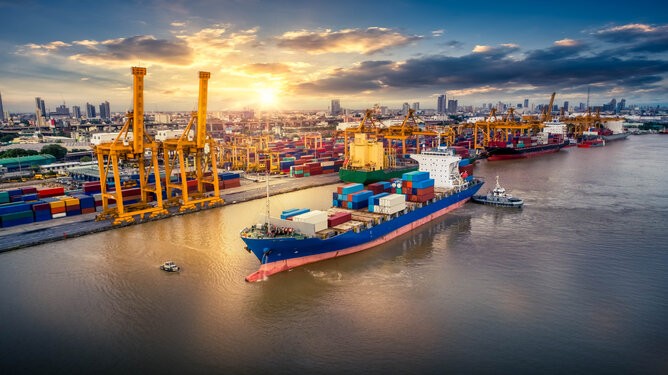
- Port congestion is easing with modernized terminals and inland distribution hubs.
- Water stress in industrial zones is mitigated through federal investment.
As the U.S.–Mexico–Canada Agreement (USMCA) guarantees trade stability, Mexico’s infrastructure leap ensures that nearshoring becomes a long-term strategic advantage.
Key Projects Driving Mexico’s Nearshoring Surge
1. Green Corridors Project (Nuevo León–Texas)
One of the most ambitious cross-border logistics projects in North America, this $17B USD initiative connects Monterrey to Laredo and the Colombia Bridge. Features include:
- Dedicated lanes for autonomous electric trucks.
- Smart customs terminals reducing crossing times from 45 to 10 minutes.
- Direct connectivity to the I-35 corridor in Texas.
- CO₂ reduction of over 470,000 tons per year.
This megaproject turns Nuevo León into the central hub for sustainable nearshoring logistics.
2. La Gloria–Colombia Highway
This new toll road drastically improves access to Colombia Bridge, offering a faster route for industrial parks in Salinas Victoria and Apodaca. The goal: reduce border congestion and increase export volume without delays.
3. Industrial Infrastructure in Nuevo León
Nuevo León now attracts more than 30% of all FDI in Mexico due to:
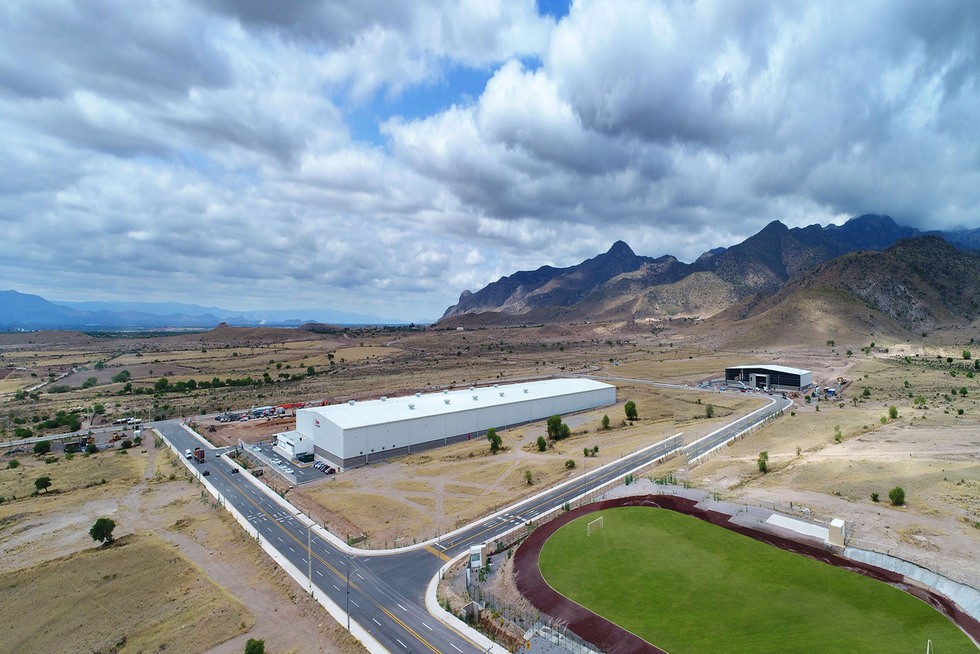
- High-capacity industrial parks with ready utilities.
- Redundant energy infrastructure to support energy-intensive operations.
- Expansion of aerospace, electronics, and automotive clusters.
4. Rail Modernization: Interoceanic Corridor
The Isthmus of Tehuantepec rail corridor, linking the Pacific and Gulf coasts, is being upgraded to boost inland freight. For companies producing in Mexico for both coasts, this is a game-changer for multimodal logistics.
5. Port & Airport Expansion Projects
Veracruz and Manzanillo ports are undergoing major upgrades.
Felipe Ángeles International Airport (AIFA) now integrates customs and freight facilities with ground logistics hubs.
New inland dry ports connect northern industrial zones with export centers.
Sector Impact: Who Benefits Most?
Mexico’s infrastructure transformation is driving nearshoring across:
- Automotive manufacturing – faster U.S. delivery and parts circulation.
- Aerospace – reduced logistics costs for high-value components.
- Electronics and appliances – more reliable energy supply and just-in-time production.
- Medical devices – streamlined cross-border compliance and transport.
- EV and battery production – access to upgraded energy grids and new labor pools.
Infrastructure Meets Industrial Strategy
This infrastructure boom isn’t happening by chance. Under the current administration, Mexico is aligning industrial policy with infrastructure funding:
- Federal and state coordination ensures permits and utilities are fast-tracked.
- Public-private partnerships are co-financing industrial zones and roads.
- Energy investments include transmission lines, solar farms, and grid upgrades for high-consumption sectors.
- This deliberate alignment makes manufacturing in Mexico less risky — and more profitable.
This deliberate alignment makes manufacturing in Mexico less risky — and more profitable.
Final Takeaway: Nearshoring Needs Infrastructure — and Mexico Delivers
The headlines about nearshoring in Mexico are no longer about “if” — they’re about “how fast.” With the country’s new infrastructure backbone in place, manufacturers gain faster market access, greater operational control, and a platform for long-term growth in North America.