Nearshoring in Mexico: From Narrative to National Strategy in a Fragmented Global Economy
Executive Summary
Nearshoring in Mexico is no longer a short-term trend but a structural shift in global manufacturing strategy. As geopolitical fragmentation reshapes supply chains, Mexico stands at a strategic crossroads. However, capturing long-term high-value foreign direct investment will depend on energy reliability, talent development, infrastructure modernization, and policy execution under the USMCA framework.
Geopolitics Now Drives Global Manufacturing Decisions
The 2026 World Economic Forum in Davos confirmed a fundamental shift: geopolitics now defines economic flows.
The era of frictionless globalization is over. Manufacturing relocation toward allied countries has become a long-term economic security strategy, particularly for the United States. Nearshoring in Mexico is no longer optional for global firms—it is increasingly viewed as part of a 20-year industrial security strategy.
The USMCA agreement has become more than a trade deal. It is now a geopolitical anchor that defines where advanced manufacturing will take place in North America.
For investors, this means:
- Market access equals strategic positioning
- Tariff stability equals investment security
- Political alignment equals supply chain resilience
Mexico sits inside one of the world’s most powerful trade blocs. But access alone is not enough.
Nearshoring in Mexico Is Structural—Not Cyclical
The relocation of production is not being “evaluated” anymore. It is happening.
Companies are redesigning supply chains to reduce:
- Overdependence on Asia
- Long-distance logistical exposure
- Geopolitical vulnerability
- Regulatory unpredictability
Nearshoring in Mexico represents a structural answer to supply chain fragility. The question is no longer whether nearshoring will continue—but which countries will capture the highest share of foreign direct investment.
Mexico could lead.
But it will not happen automatically.
The Two Decisive Variables: Energy and Talent
For advanced manufacturing and high-value foreign direct investment in Mexico, two variables dominate investment decisions:
1️⃣ Energy Reliability and Clean Transition
Modern manufacturing facilities—especially EV, semiconductors, aerospace, and data centers—require:
- Reliable grid capacity
- Fast interconnection processes
- Transition pathways toward clean energy
- Regulatory clarity in power generation
Energy constraints already affect certain industrial regions. Without infrastructure expansion and modernization, nearshoring in Mexico risks slowing in high-consumption industries.
For investors, energy certainty equals project viability.
2️⃣ Talent and Workforce Ecosystems
Advanced manufacturing requires:
- Skilled technicians
- Engineering depth
- Fast reskilling programs
- Strong industry-academic coordination
Countries such as Vietnam, India, Poland, and Malaysia are actively aligning workforce training with industrial strategy.
Mexico must accelerate technical training and workforce specialization to maintain its nearshoring competitiveness.
Foreign direct investment in Mexico increasingly follows talent ecosystems—not just cost advantages.
Infrastructure, Water, and Logistics as Investment Filters
Beyond energy and talent, modern investors evaluate:
- Water availability and treatment capacity
- Smart customs and digital trade corridors
- Secure transport routes
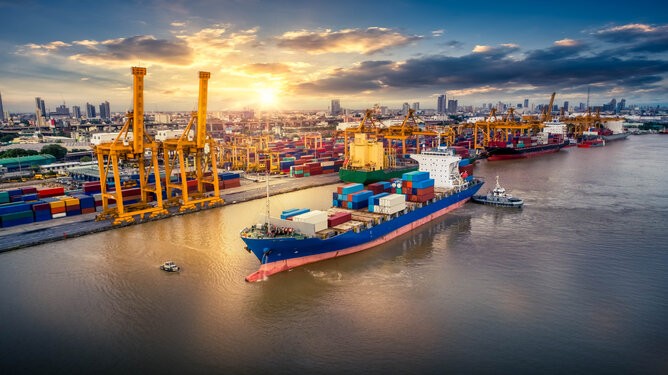
- Efficient ports and border crossings
- Regulatory predictability
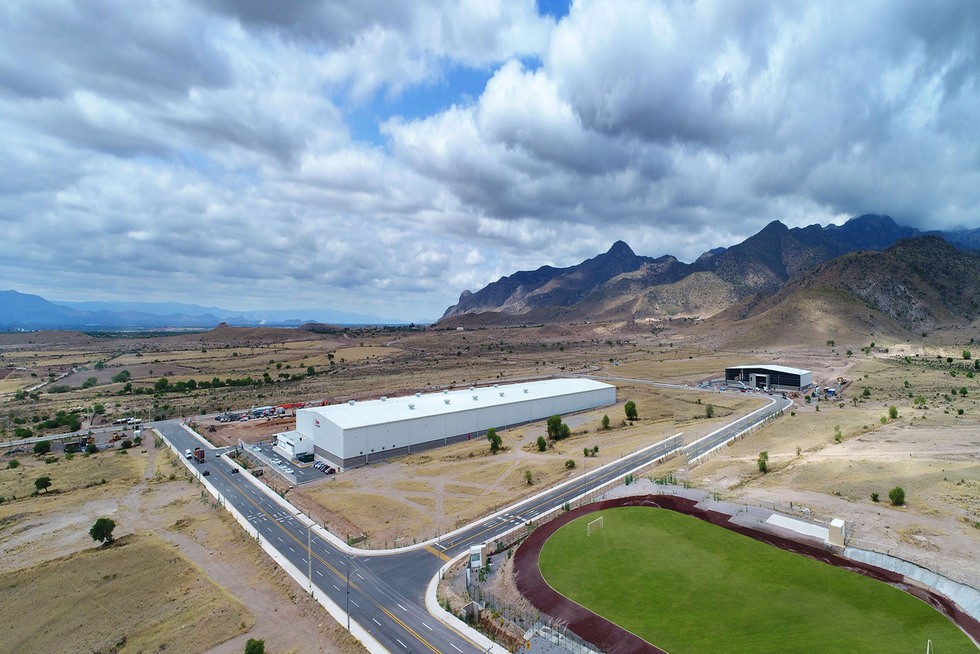
Industrial parks in Mexico are prepared to absorb investment. Capital is available. Demand exists.
However, infrastructure must scale alongside investment momentum.
Nearshoring in Mexico must evolve from narrative to execution.
The USMCA as a Strategic Anchor
The future of foreign direct investment in Mexico is tightly linked to USMCA stability.
Preferential access to the U.S. market is no longer simply a tariff benefit. It defines:
- Automotive value chain configuration
- Advanced manufacturing location decisions
- North American content rules
- Long-term capital allocation
Mexico’s ability to offer:
- Trade stability
- Legal certainty
- Policy continuity
will determine whether nearshoring remains a growth engine or stalls under uncertainty.
Industrial Development Index (IDI): Measuring Regional Readiness
The latest Industrial Development Index (IDI) provides insight into regional competitiveness.
Three regions remain the backbone of nearshoring in Mexico:
- Northern Border Region
- Bajío
- Central Mexico
However, persistent challenges remain:
- Security
- Urban mobility
- Water stress
- Environmental sustainability
- New IDI metrics increasingly evaluate:
- Water treatment systems
- Sustainable construction
- Air quality standards
- ESG alignment
Foreign direct investment in Mexico now depends on ESG compliance as much as cost structure.
Nearshoring as a National Project
Nearshoring in Mexico must evolve beyond private-sector enthusiasm.
It requires:
- Federal-state coordination
- Public-private infrastructure investment
- Workforce acceleration programs
- Regulatory modernization
- Long-term energy reform
Recent federal initiatives, including Plan México, signal strategic alignment. But implementation speed will determine investment outcomes.
Conclusion: Mexico at a Strategic Crossroads
In a fragmented global economy, resilience, sustainability, and geopolitical alignment define investment flows.
Mexico has:
- Proximity to the United States
- USMCA trade certainty
- Industrial depth
- Growing foreign direct investment momentum
But capturing the next wave of high-value nearshoring investment depends on execution.
Nearshoring in Mexico is not guaranteed.It must be engineered.
Frequently Asked Questions (FAQ)
Is nearshoring in Mexico still growing in 2026?
Yes. Nearshoring in Mexico remains structurally strong, but growth depends on energy availability, infrastructure upgrades, and policy clarity under USMCA.
What sectors are most sensitive to energy constraints?
Data centers, EV manufacturing, semiconductors, and advanced industrial production are highly energy-intensive and require reliable grid access.
Why is USMCA critical for foreign direct investment in Mexico?
USMCA guarantees preferential access to the U.S. market, reduces tariff exposure, and provides legal trade certainty—key factors for capital allocation decisions.
What are the main risks for investors?
Energy bottlenecks, water stress, security challenges in specific regions, and regulatory uncertainty can delay projects if not properly assessed during site selection.