Nearshoring Without Tariffs: Why Mexico Sustained Business Optimism in 2025 — and What 2026 Brings
Introduction: A Calm Year in a Volatile World
2025 surprised many investors. Despite fears of renewed U.S. tariffs and trade disruption, Mexico emerged largely untouched by direct tariff measures, allowing confidence in nearshoring to hold firm. Financial markets performed strongly, foreign investors stayed engaged, and manufacturers continued to evaluate Mexico as a strategic production base.
Yet beneath this optimism lies a more complex outlook. As companies prepare for 2026 and the upcoming USMCA review, risks are rising — but so are opportunities for those who prepare early.
Why Mexico Avoided Tariffs in 2025
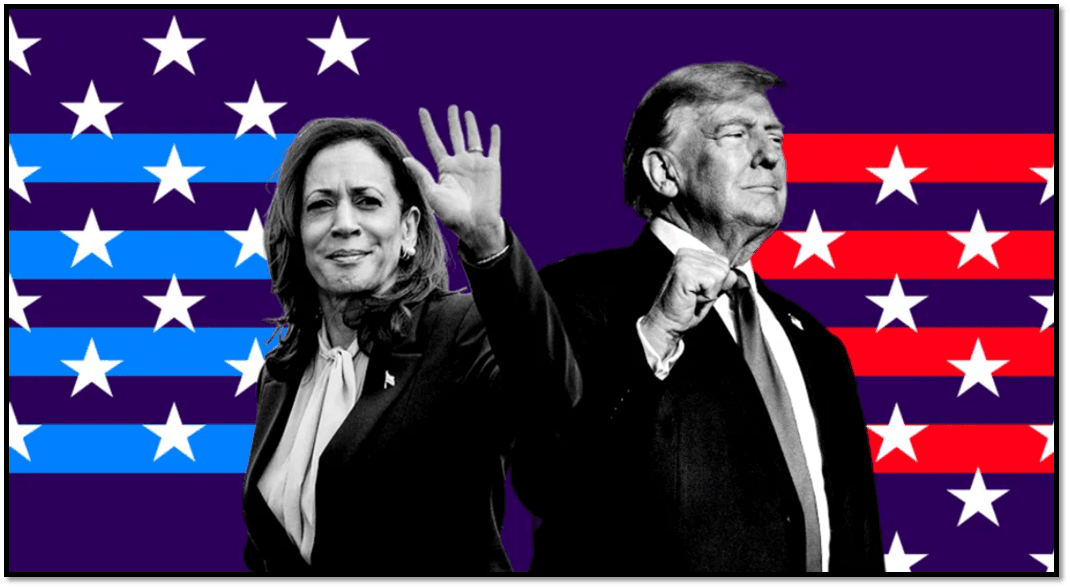
Following the 2024 U.S. elections, expectations were high that protectionist trade policies would return aggressively. Instead, Mexico navigated 2025 without major tariff shocks.
According to TMF Group, this outcome reflects a broader global trend: governments increasingly seek to reduce business complexity, favoring negotiated stability over sudden disruption.
For companies, this translated into:
- Greater planning certainty in 2025
- Improved investor confidence in Mexico
- Continued momentum for nearshoring strategies
- However, stability should not be mistaken for permanence.
2026: Trade Risk Becomes Strategic Opportunity
Looking ahead, 2026 introduces new uncertainty, particularly due to the scheduled USMCA review and evolving U.S. trade policy.
Rather than freezing investment decisions, TMF Group emphasizes that companies should prepare to convert volatility into advantage. More protectionist environments often reward firms with:
- Strong compliance frameworks
- Transparent reporting structures
- Robust governance and internal controls
In short, companies that professionalize faster will outperform those that delay.
Nearshoring Continues — But Execution Gets Harder
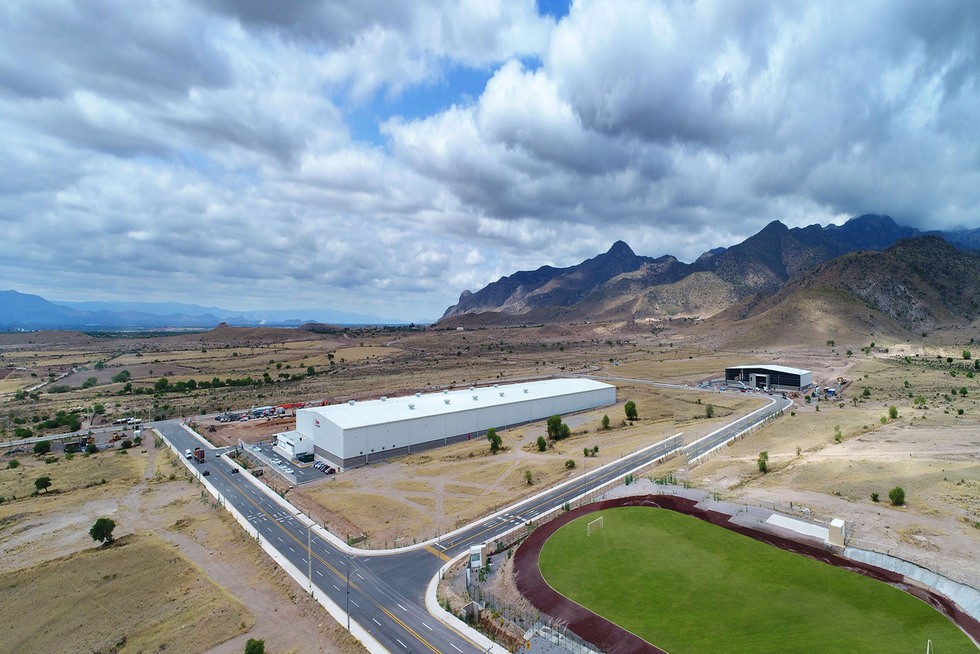
Mexico’s proximity to the U.S. and competitive labor costs remain powerful nearshoring drivers. As a result, nearshoring in Mexico did not slow in 2025, even as global supply chains faced pressure.
That said, execution challenges are increasing. Companies relocating operations must navigate:
- Differing labor regulations by region and sector
- Varying enforcement standards across states
- Growing scrutiny from regulators and financial institutions
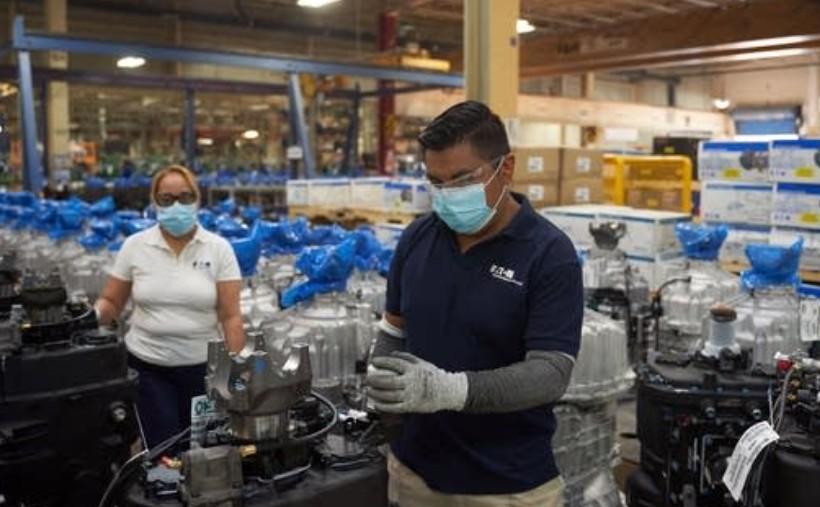
Nearshoring is no longer just a location decision — it is an operational discipline.
Talent Shortages: A Global Constraint, Not a Mexican One
One of the most underestimated risks for 2026 is skilled labor availability. According to TMF Group data, talent shortages affect:
- 64% of jurisdictions in North America
- 61% in Europe, the Middle East, and Africa
- 60% in South America
Mexico is not an outlier — it is part of a global competition for qualified labor. This reinforces the need for early workforce planning as part of any nearshoring strategy.
Regions and Sectors Best Positioned for Nearshoring
Nearshoring benefits are not evenly distributed. TMF Group highlights that states with strong infrastructure and workforce ecosystems are best positioned to attract continued investment.
Key regions include:
- Nuevo León
- Aguascalientes
- Coahuila
High-potential sectors remain:
- Automotive and auto parts
- Infrastructure-related manufacturing
- Industrial services supporting supply chains
For companies, regional selection is becoming as important as country selection.
Financial Regulation: A Short-Term Shock, Long-Term Signal
In 2025, Mexico’s financial sector faced increased scrutiny following compliance failures at several institutions. While this raised short-term concerns, TMF Group views tighter enforcement as a sign of institutional maturity, not weakness.
Higher standards in:
- Anti-money laundering
- Compliance controls
- Reporting transparency
ultimately strengthen investor confidence and favor professional operators.
Conclusion: Optimism Holds — But Preparation Wins
Mexico entered 2026 with momentum intact. Nearshoring continues, tariffs were avoided in 2025, and investor confidence remains resilient.
But the next phase will reward companies that move beyond optimism and focus on execution, compliance, and strategic timing. Nearshoring is no longer just about being in the right place — it’s about being structurally ready.
FAQ – Nearshoring, Tariffs, and Mexico’s 2026 Outlook
Why did Mexico avoid U.S. tariffs in 2025?
Because governments prioritized negotiated stability and reduced business complexity amid global uncertainty.
Is nearshoring in Mexico still attractive for 2026?
Yes, but success increasingly depends on compliance, governance, and workforce readiness.
What are the main risks for companies in 2026?
USMCA review uncertainty, talent shortages, regulatory complexity, and geopolitical volatility.
Which regions benefit most from nearshoring?
Northern and central states with strong infrastructure and skilled labor pools.
How should companies prepare now?
By strengthening compliance frameworks, planning talent needs early, and securing operational readiness before policy shifts occur.