Plan México: A Strategic Roadmap for National Growth and Investment
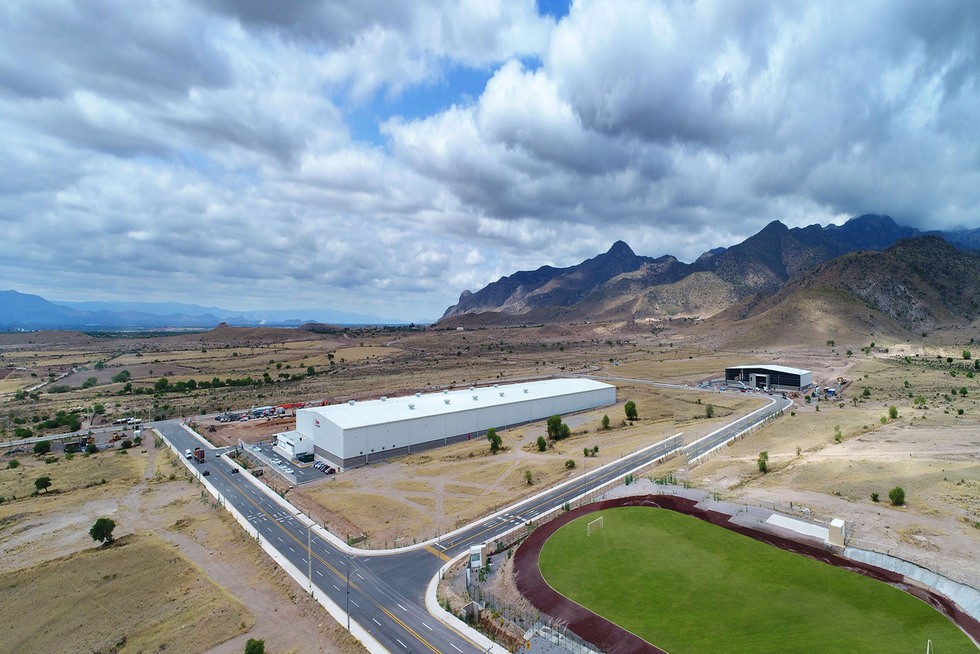
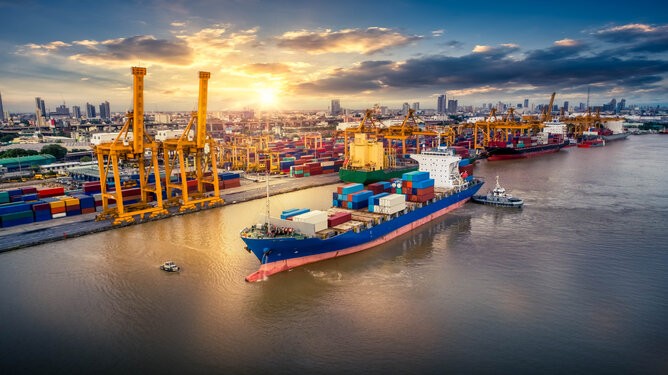
The Mexican government has unveiled Plan México, a bold industrial strategy designed to transform national infrastructure, attract private sector participation, and boost foreign direct investment in Mexico. Announced by President Claudia Sheinbaum, the plan includes 18 actions to strengthen energy, logistics, and manufacturing capabilities, aiming to position Mexico as a resilient and competitive player in global trade.
A Window of Opportunity Amid Global Trade Shifts
In the midst of a turbulent global economic environment, Plan México emerges as a response to growing protectionism—especially the wave of tariffs introduced by the U.S. under President Donald Trump. Countries like Indonesia and Vietnam now face tariffs of 32% and 41%, respectively, on exports to the U.S., opening the door for Mexico to capture market share due to its geographic proximity and skilled labor force.
“Mexico can win a portion of the market space left by Asian competitors,” said Luis Gonzali, Co-Director of Investments at Franklin Templeton.
While some Mexican exports are also affected by tariffs, products covered by the USMCA (T-MEC) remain exempt, making Mexico an even more attractive location for nearshoring and reindustrialization.
What Is Plan México?
Plan México is a government-led strategy to accelerate domestic investment through public infrastructure, manufacturing, and industrial policy. The initiative aims to:
Generate 500,000 to 1 million new jobs
Increase investment to 15% of GDP by 2030
Inject $100 billion USD annually in FDI
Ensure 50% of national supply and consumption is locally produced in key sectors like textiles, real estate, toys, and footwear
Marcelo Ebrard, Secretary of Economy, described the plan as a “navigational map” that will guide investment decisions, create jobs, and spur private-sector engagement.
Key Measures Under Plan México
To break the current pause in investment caused by uncertainty, the government has outlined several decisive measures:
Decrees to support national production in steel, aluminum, and automotive sectors (May 5 and 16)
Cutting red tape to ease business operations
Expanding financing access to 30% of MSMEs
Training 150,000 professionals in STEM and technical skills
Incentivizing clean energy adoption with community benefits
Investing in public works such as highways, railroads, and airports
Challenges to Implementation
Although Plan México has been praised for its ambition, analysts stress the need for effective execution. Gabriel Casillas, Chief Latin America Economist at Barclays, noted that while the plan is well-designed, “it lacks implementation mechanisms and aligned incentives.”
Internal weaknesses—such as inadequate energy infrastructure, regulatory ambiguity, and persistent insecurity—must be addressed to fully unlock Mexico’s potential as a manufacturing and logistics hub.
Expert Consensus: The Time Is Now
Experts from the Institute of International Finance (IIF) and Mexico Evalúa agree: Mexico has a window of opportunity to lead North American industrial integration. But it must fine-tune its domestic conditions to ensure long-term growth and investor confidence.
“What makes trade deals powerful is that they create legal frameworks investors can trust,” emphasized Casillas.
According to data from RCPH Servicios, Mexico recorded 365 investment announcements totaling $81.3 billion USD between January 2023 and March 2025. Yet only 19 new announcements were made in early 2025—a sign that proactive government measures like Plan México are urgently needed to revive investor momentum.
Conclusion
With its ambitious scope and strategic focus, Plan México is Mexico's most comprehensive effort yet to cement its place in global value chains. If successfully implemented, the plan could not only generate millions of jobs and billions in investment, but also build a more self-reliant and competitive economy.