Plan México Explained: What Foreign Manufacturers Need to Know in 2026

Executive Summary
Plan México has become one of the most important industrial and economic initiatives in the country. While many headlines focus on nearshoring, tariffs, and foreign direct investment, Plan México aims to create the conditions necessary to support long-term manufacturing growth.
The initiative seeks to strengthen Mexico’s industrial competitiveness through infrastructure investment, supply chain localization, workforce development, energy expansion, and fiscal incentives for strategic sectors.
For foreign manufacturers evaluating manufacturing in Mexico, understanding Plan México is increasingly important because many of the government's future incentives, infrastructure projects, and industrial policies are being developed under this framework.
However, Plan México is not a single incentive program. It is a broader industrial strategy designed to increase investment, attract advanced manufacturing, strengthen domestic supply chains, and improve Mexico’s position within North America.
What Is Plan México?
Plan México is the federal government's industrial development strategy aimed at accelerating economic growth and increasing Mexico’s participation in global manufacturing and supply chains.
The initiative was launched to capitalize on several long-term trends:
- nearshoring
- USMCA integration
- supply chain diversification
- geopolitical realignment
- advanced manufacturing investment
The goal is not simply to attract more factories.
The objective is to move Mexico higher within global value chains by attracting more sophisticated manufacturing operations, increasing local content, improving infrastructure, and strengthening industrial capabilities.
For foreign investors, this means Mexico is actively positioning itself as a long-term manufacturing platform rather than simply a low-cost production location.
Why Plan México Matters for Manufacturers
Over the past several years, companies have increasingly shifted their focus from labor arbitrage to supply chain resilience.
The COVID-19 pandemic, geopolitical tensions, shipping disruptions, and tariff uncertainty exposed the vulnerabilities of long-distance supply chains.
As a result, manufacturers serving North America increasingly evaluate:
- proximity to customers
- logistics reliability
- supply chain security
- trade certainty
- operational resilience
Plan México seeks to support these priorities by improving the conditions required for industrial investment.
For companies considering manufacturing in Mexico, this can create a more favorable business environment over the next decade.
The Main Objectives of Plan México
The strategy focuses on several core pillars.
Strengthening Manufacturing Capacity
Mexico already ranks among the world's largest manufacturing exporters.
Plan México seeks to expand industrial production by encouraging investment in:
- automotive manufacturing
- aerospace
- electronics
- semiconductors
- medical devices
- energy equipment
- advanced manufacturing
The objective is to increase domestic production capacity while reducing dependence on imported components.
Increasing Domestic Supply Chains
One of the most important goals is increasing local supplier participation.
Many manufacturers operating in Mexico still import a significant portion of their inputs from Asia, Europe, or other regions.
Plan México encourages supplier localization to strengthen regional supply chains and increase North American content.
For foreign suppliers, this creates opportunities to establish manufacturing operations closer to existing OEMs and Tier 1 manufacturers.
Expanding Infrastructure
Industrial growth requires infrastructure.
The government has identified investment priorities including:
- highways
- railways
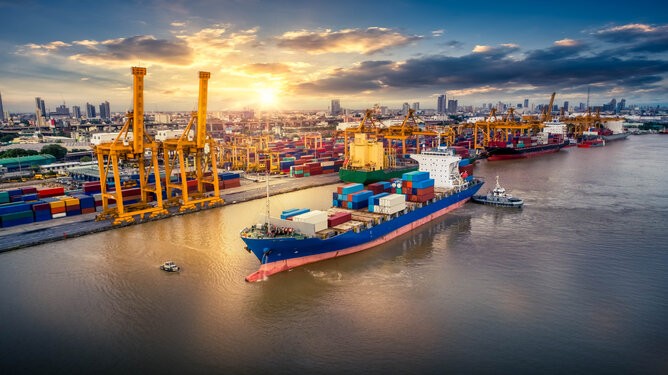
- ports
- airports
- energy infrastructure
- water infrastructure
Several logistics and transportation projects currently under development support this objective.
For manufacturers, infrastructure expansion improves logistics efficiency and long-term competitiveness.
Plan México and Industrial Infrastructure
One of the strongest aspects of Plan México is its focus on infrastructure.
Foreign investors frequently ask:
Can Mexico support future industrial growth?
The answer increasingly depends on infrastructure investment.
Mexico's industrial expansion requires:
- additional electricity generation
- stronger transmission capacity
- water infrastructure
- logistics improvements
- industrial park development
Without these investments, nearshoring growth could eventually face bottlenecks.
Plan México directly addresses many of these challenges.
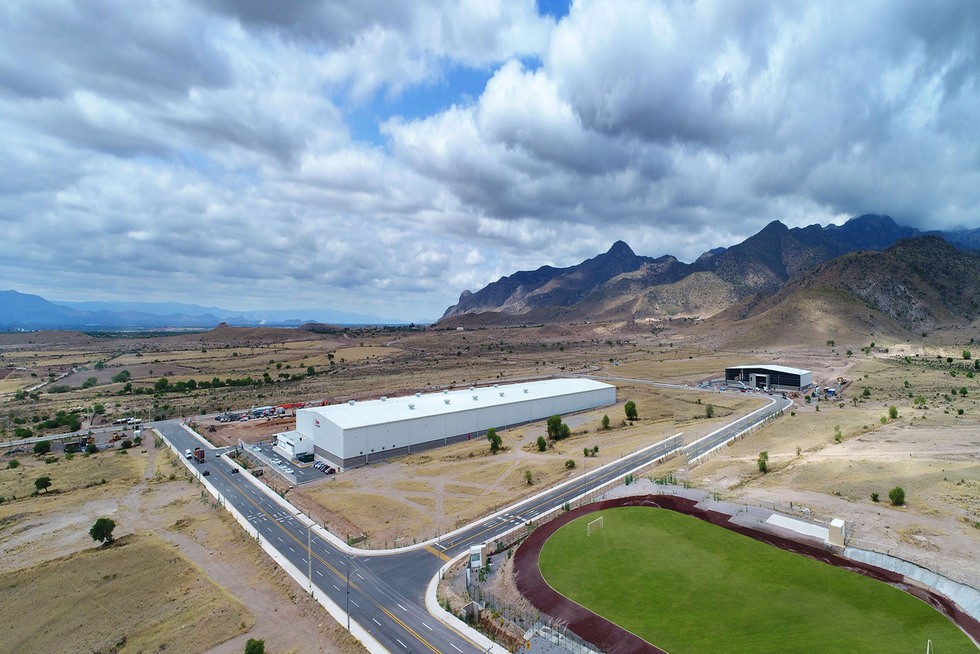
The Role of Industrial Parks
Industrial parks play a critical role in supporting Plan México.
According to AMPIP, Mexico now has hundreds of industrial parks distributed across the country's major manufacturing regions.
These industrial parks provide:
- utilities
- security
- logistics connectivity
- manufacturing-ready infrastructure
As investment continues growing, industrial parks will remain one of the primary vehicles through which new manufacturing projects are implemented.
For foreign investors, selecting the right industrial park remains one of the most important decisions in the expansion process.
Fiscal Incentives Under Plan México
One of the most discussed components of Plan México is the introduction of fiscal incentives designed to stimulate investment.
Accelerated Depreciation
Companies investing in new productive assets may benefit from accelerated depreciation mechanisms.
Eligible assets can include:
- machinery
- equipment
- automation systems
- manufacturing technology
- production infrastructure
Accelerated depreciation improves project economics by allowing companies to recover investments more quickly through tax deductions.
For capital-intensive industries, this can significantly improve investment returns.
Training and Innovation Incentives
The government also seeks to encourage:
- workforce development
- technical training
- innovation
- research and development
These incentives are particularly relevant for advanced manufacturing industries requiring highly skilled labor.
Strategic Industries Under Plan México
Not all sectors receive equal attention.
The initiative prioritizes industries that can strengthen Mexico's position within global supply chains.
These include:
Automotive
Mexico remains one of the world's largest vehicle exporters.
The automotive sector continues receiving significant support because of its importance to North American supply chains.
Aerospace
Mexico has become a major aerospace manufacturing platform, particularly in regions such as Querétaro, Chihuahua, and Baja California.
Electronics
Electronics manufacturing continues expanding due to increasing demand for regional production capacity.
Medical Devices
Medical device manufacturing has become one of Mexico's fastest-growing export sectors.
Semiconductors
The semiconductor industry has become increasingly important as governments seek to strengthen supply chain security.
Plan México aims to support investments in this sector over the coming years.
How Plan México Supports Nearshoring
Nearshoring and Plan México are closely connected.
Many companies relocating production to Mexico face common challenges:
- infrastructure availability
- labor access
- supplier localization
- permitting processes
- utility capacity
The objective of Plan México is to reduce these barriers.
For manufacturers, this can improve:
- project timelines
- operational efficiency
- long-term scalability
- investment certainty
As a result, the program strengthens Mexico's attractiveness as a nearshoring destination.
Challenges Facing Plan México
Although the initiative is ambitious, several challenges remain.
Energy Capacity
Electricity demand continues increasing rapidly across industrial regions.
Additional generation and transmission investments will be required to support long-term growth.
Water Availability
Water remains an important consideration in several manufacturing markets.
Future industrial growth must be supported by sustainable water management strategies.
Workforce Development
Mexico continues attracting investment faster than some regions can develop skilled labor.
Training and workforce development will remain essential.
Infrastructure Execution
The success of Plan México will depend largely on execution.
Infrastructure projects must be completed efficiently to support future industrial demand.
What Foreign Investors Should Understand
For foreign manufacturers, Plan México should not be viewed as a standalone incentive program.
Instead, it should be understood as a long-term industrial strategy.
The initiative signals that Mexico intends to:
- strengthen manufacturing
- expand infrastructure
- localize supply chains
- support industrial investment
- improve competitiveness within North America
Companies evaluating manufacturing in Mexico should monitor how Plan México influences:
- infrastructure development
- industrial park expansion
- incentive programs
- workforce development
- sector-specific opportunities
These factors will shape Mexico's industrial landscape over the next decade.
Why Plan México Matters for Site Selection
Many companies focus exclusively on labor costs or rental rates when evaluating locations.
However, long-term competitiveness depends on much more than these variables.
Plan México reinforces the importance of evaluating:
- infrastructure
- utilities
- logistics
- workforce availability
- industrial ecosystems
This is why site selection remains one of the most important decisions for foreign investors entering Mexico.
The strongest manufacturing projects are usually located in regions where government priorities, infrastructure investment, supplier ecosystems, and industrial growth align.
Conclusion
Plan México represents one of the most significant industrial development initiatives currently shaping Mexico's economy.
The program seeks to strengthen manufacturing, improve infrastructure, localize supply chains, and increase the country's attractiveness for foreign investment.
For manufacturers serving North America, the initiative reinforces many of the structural advantages that have already made Mexico one of the world's leading manufacturing platforms.
While challenges remain, Plan México signals a clear commitment to supporting long-term industrial growth and strengthening Mexico's position within global supply chains.
For foreign investors, understanding these developments is becoming an essential part of evaluating manufacturing opportunities in Mexico.
FAQ
What is Plan México?
Plan México is the federal government's industrial development strategy focused on increasing investment, strengthening manufacturing, improving infrastructure, and supporting nearshoring.
Does Plan México offer tax incentives?
Yes. The initiative includes accelerated depreciation mechanisms and other measures designed to stimulate investment, innovation, and workforce development.
Which industries benefit most from Plan México?
Key sectors include automotive, aerospace, electronics, semiconductors, medical devices, and advanced manufacturing.
Is Plan México only for Mexican companies?
No. Foreign investors and international manufacturers can also benefit from many of the policies and incentives associated with the initiative.
How does Plan México support nearshoring?
The strategy aims to improve infrastructure, strengthen supply chains, expand industrial capacity, and create conditions that make Mexico more attractive for North American manufacturing operations.