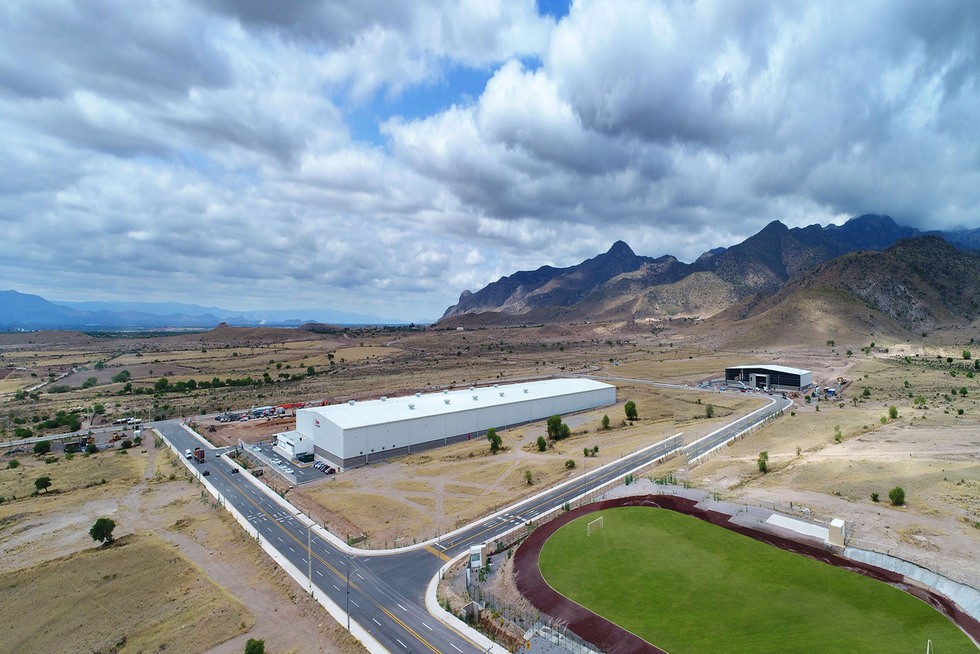
Setting Up a Factory in Mexico: Step-by-Step Guide for Foreign Manufacturers
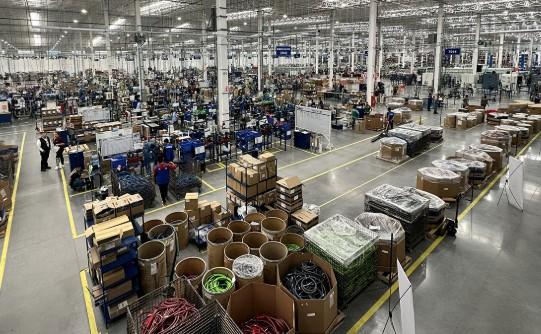
Executive Summary
Setting up a factory in Mexico requires structured planning across legal incorporation, permits, workforce registration, utilities, and tax compliance. While Mexico offers strong advantages for manufacturing—USMCA access, industrial clusters, and skilled labor—successful execution depends on regulatory precision and operational readiness. This guide outlines the step-by-step process for foreign companies establishing manufacturing in Mexico in 2025.
Why Setting Up Manufacturing in Mexico Is Strategic
Mexico has become a core manufacturing platform in North America due to:
- USMCA trade access
- Competitive labor costs
- Established automotive, aerospace, electronics, and logistics clusters
- Proximity to the U.S. market
- Expanding industrial park infrastructure
However, starting a factory in Mexico involves legal, environmental, tax, and labor compliance requirements that must be addressed before production begins.
Step 1: Establish the Legal Entity
Before setting up manufacturing in Mexico, a company must legally incorporate.
The most common business structures include:
- S.A. de C.V. (Sociedad Anónima de Capital Variable)
- S. de R.L. de C.V. (Limited Liability Company)
Foreign investors may:
- Create a wholly owned subsidiary
- Form a joint venture
- Operate under a shelter service structure
Required initial registrations:
- Public Registry of Commerce
- Federal Taxpayer ID (RFC)
- Corporate bank account
- Employer registration (IMSS)
Without these registrations, manufacturing permits in Mexico cannot be obtained.
Step 2: Secure Manufacturing Permits in Mexico
Manufacturing operations require regulatory approvals at multiple levels:
Municipal Level
- Land use authorization
- Construction permits
- Operating license
State & Federal Level (if applicable)
- Environmental impact authorization
- Sector-specific permits (chemicals, energy, food, pharmaceuticals)
Key documents typically required:
- Proof of legal incorporation
- Lease agreement or property title
- Construction license
- Environmental compliance documentation
- Labor registration records
Working with experienced legal counsel or a shelter provider can significantly reduce delays.
Step 3: Choose the Right Location
Selecting the optimal location is critical when starting a factory in Mexico.
Important decision factors:
- Proximity to customers and suppliers
- Logistics infrastructure
- Labor availability
- Energy reliability
- State-level incentives
Leading Industrial Regions:
- Nuevo León & Coahuila – strong U.S. border connectivity
- Querétaro & Guanajuato – aerospace and automotive clusters
- Chihuahua & Baja California – electronics and export manufacturing
Industrial parks often offer:
- Plug-and-play infrastructure
- Utility connections
- Tax facilitation
- Faster operational readiness
Step 4: Workforce Setup and Labor Compliance
Hiring local talent is a key phase in setting up manufacturing in Mexico.
Companies must:
- Register with IMSS (Social Security Institute)
- Comply with Mexican labor law
- Structure employment contracts properly
- Manage mandatory profit sharing (PTU)
- Address union frameworks when applicable
Mexico offers a deep pool of technical and engineering talent, particularly in industrial regions.
Strong HR compliance ensures long-term productivity and workforce stability.
Step 5: Utilities and Infrastructure Readiness
Operational continuity depends on reliable access to:
- Electricity
- Water
- Natural gas
- Internet connectivity
Industrial parks typically coordinate utility connections and may offer:
- Backup power systems
- Renewable energy options
- Pre-certified infrastructure
Mexico’s logistics network supports efficient supply chain movement via:
- Modern highways
- Rail corridors
- Pacific and Gulf ports
- International airports
- Customs broker ecosystem
This connectivity supports nearshoring and export manufacturing models.
Step 6: Tax Registration and Incentives
Companies setting up a factory in Mexico must register with SAT (tax authority) and maintain monthly compliance reporting.
Relevant programs include:
- IMMEX Program – VAT exemption on temporary imports
- Accelerated depreciation for machinery
- USMCA preferential trade access
- State-level manufacturing incentives
Professional tax advisory support is strongly recommended to ensure compliance and optimize fiscal structures.
Shelter vs. Standalone Structure
For companies seeking faster market entry, a shelter structure allows:
- Faster startup timelines
- Reduced administrative burden
- Lower compliance exposure
- Shared legal and tax infrastructure
However, long-term investors often transition to standalone subsidiaries once operations scale.
Conclusion
Setting up manufacturing in Mexico is a strategic move that offers long-term competitive advantages. However, successful execution depends on proper legal structuring, obtaining manufacturing permits in Mexico, labor compliance, and infrastructure readiness.
With structured planning and professional support, foreign investors can reduce risk, accelerate time to market, and establish a scalable production platform in North America.
FAQ
How long does it take to set up a factory in Mexico?
Typically 3–6 months depending on industry, construction needs, and permit approvals.
Can a foreign company fully own a factory in Mexico?
Yes. Most sectors allow 100% foreign ownership.
What is the IMMEX program?
IMMEX allows manufacturers to import raw materials and equipment temporarily without paying VAT, provided goods are exported.
Are environmental permits required?
Yes, depending on the industry and facility size. Environmental impact authorization may be mandatory.