Skilled Workforce and Technical Talent in Mexican Manufacturing
Workforce Education and Training
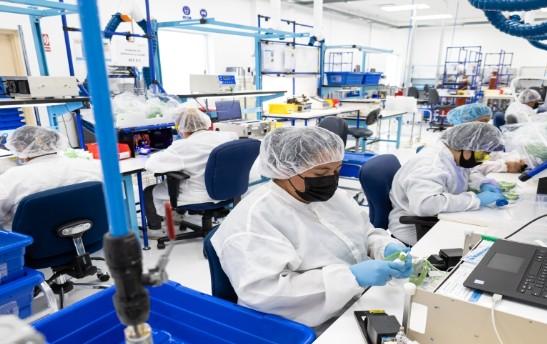
A core reason behind Mexico’s emergence as a manufacturing powerhouse is its increasingly capable and specialized workforce. The availability of skilled labor in Mexico has improved dramatically over the last two decades, driven by both public and private investment in education, vocational training, and international industry standards.
Mexico boasts over 150 engineering universities and technical institutes, producing more than 110,000 graduates annually. This academic infrastructure ensures a steady pipeline of technical workforce in Mexico ready to meet the needs of automotive, aerospace, electronics, and medical device industries.
Many states, such as Querétaro and Nuevo León, have formed alliances between government, industry, and academia to ensure that training programs match real manufacturing requirements.
Engineering Schools and Vocational Programs
The demand for engineering talent in Mexico is being met by a wide array of institutions offering degrees in mechanical, electrical, mechatronic, and industrial engineering. Top schools like Tecnológico de Monterrey, IPN, and UDLAP consistently rank among Latin America’s best, with strong connections to global corporations.
In parallel, vocational programs—often offered within industrial parks or through state initiatives—focus on specific competencies like CNC machining, quality control, and industrial maintenance. This dual pipeline ensures Mexico’s technical workforce spans both high-level engineers and hands-on technicians.
Many companies also invest in in-house academies and training programs to further align skilled labor in Mexico with company-specific technologies and production systems.
Labor Productivity in Manufacturing
When analyzing labor productivity, Mexico holds a strong position in Latin America. The combination of affordable wages and high output per worker makes skilled labor in Mexico a competitive advantage. Workers are known for their precision, adaptability, and commitment to continuous improvement—key attributes in quality-driven sectors.
Manufacturers also benefit from cultural alignment with North American business practices and time zones, making collaboration smoother and more agile. The retention of technical staff is generally high, especially when companies provide competitive wages and career development paths.
Wage Competitiveness
Despite their increasing specialization, Mexican workers remain highly cost-effective. For example, the average annual salary for a production engineer in Mexico is approximately $15,000–$20,000 USD—significantly lower than in the U.S. or Canada, without sacrificing performance. This makes engineering talent in Mexico both accessible and sustainable for growing operations.
In high-skill roles such as process automation, quality assurance, and production planning, Mexico offers global manufacturers an ideal mix of affordability and expertise.
Final Thoughts
Mexico’s greatest strength may well be its people. The availability of skilled labor in Mexico, combined with a maturing education system and strong employer partnerships, has created a robust technical workforce in Mexico prepared for the demands of modern manufacturing.
As the need for digitalization, sustainability, and automation grows, so too does the value of engineering talent in Mexico. For companies seeking competitive, future-ready manufacturing operations, Mexico offers not just the facilities—but the skilled minds and hands to power them.