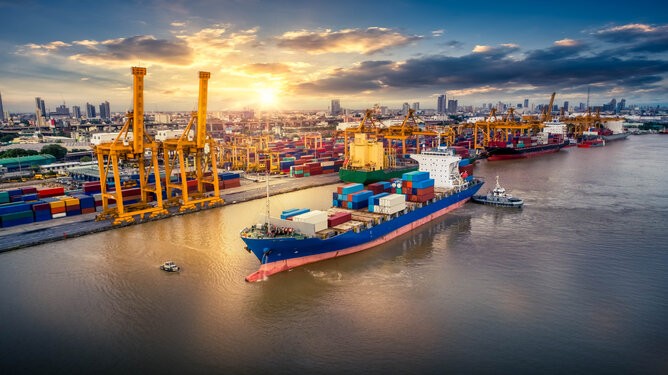
Strategic Trade Agreements Supporting Mexico’s Manufacturing
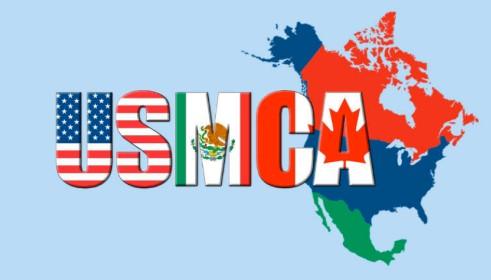
Overview of USMCA and Other Treaties
Mexico’s manufacturing sector is supported by one of the most robust networks of international trade agreements in the world. At the core lies the United States–Mexico–Canada Agreement (USMCA Mexico), which replaced NAFTA in 2020. This modernized treaty strengthens Mexico’s integration into the North American supply chain and promotes investment across key manufacturing sectors.
Beyond USMCA, Mexico has free trade agreements with over 50 countries, including the European Union, Japan, and members of the Pacific Alliance. These trade agreements Mexico provide unparalleled access to global markets and make the country a strategic hub for export-oriented production.
Tariff Benefits
One of the biggest advantages for companies engaged in manufacturing in Mexico is tariff relief. Under USMCA Mexico, goods produced in Mexico that meet origin rules can be exported to the U.S. and Canada tariff-free. This arrangement is especially beneficial to the automotive, electronics, and medical device industries, which rely on the cross-border movement of parts and finished products.
Tariff-free manufacturing Mexico is a game-changer for cost planning. It not only reduces landed costs but also removes uncertainty associated with shifting international trade policies. Mexico’s consistency in trade rules provides long-term stability and predictability—critical for global manufacturers.
Cross-Border Trade Ease
Thanks to USMCA Mexico, customs procedures have been simplified and digitalized to facilitate faster cross-border trade. Harmonized regulations, mutual recognition of technical standards, and unified documentation reduce delays and lower compliance costs.
In addition to the treaty framework, Mexico has made infrastructure investments in customs checkpoints, road corridors, and rail systems that directly support tariff-free manufacturing Mexico. Many industrial parks are located within short distances of border crossings, ports, or airports, ensuring fast and efficient logistics.
Customs and Compliance
While trade agreements Mexico offer clear advantages, businesses must ensure compliance with rules of origin and certification requirements. For example, automotive goods must meet regional content thresholds to qualify for USMCA Mexico benefits.
To streamline compliance, many companies use trade management software or work with customs brokers and legal advisors who specialize in international regulations. With proper guidance, firms can navigate this terrain efficiently and unlock the full potential of tariff-free manufacturing Mexico.
Final Thoughts
The network of trade agreements Mexico has cultivated provides unmatched access to global and regional markets. For businesses seeking cost-effective and stable manufacturing operations, the promise of tariff-free manufacturing Mexico under USMCA Mexico and other treaties offers a strategic edge.
With the right compliance structures in place, manufacturers can leverage Mexico’s treaties to grow exports, optimize supply chains, and enhance profitability—positioning the country as a cornerstone in their global manufacturing strategies.