The Rise of Contract Manufacturing in Mexico in 2025
In 2025, contract manufacturing in Mexico is gaining explosive traction, transforming how global companies manage production and supply chain risks. With rising costs in Asia and geopolitical volatility, Mexico has positioned itself as a resilient, efficient, and increasingly sophisticated hub for contract manufacturing.
This blog explores the rise of contract manufacturing in Mexico, focusing on its advantages—such as low labor costs, skilled labor, supply chain integration, and trade incentives—under current economic and policy trends.
A Strategic Model With History: Contract Manufacturing in Mexico
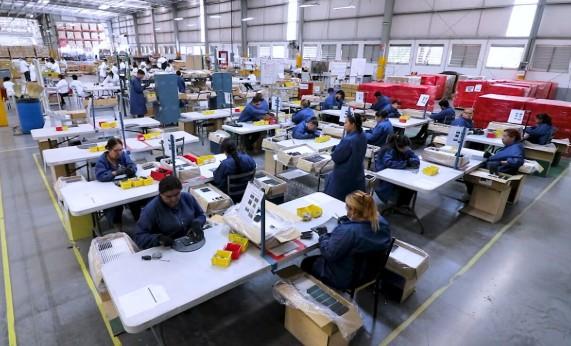
Contract manufacturing in Mexico builds upon decades of industrial policy, including the Maquila Program, which facilitated duty-free import of equipment and materials for assembly and re-export. Companies specializing in contract manufacturing in Mexico offer flexible, asset-light production that allows foreign brands to scale without setting up dedicated infrastructure.
Key Cost Advantages of Contract Manufacturing in Mexico
Lower Labor CostsLabor rates in Mexico are approximately 30–50% lower than in the U.S., making contract manufacturing in Mexico highly cost-effective
Savings on OverheadOutsourcing to contract manufacturers eliminates capital investments in facilities and machinery—enabling swift setup and turnaround
Economies of ScaleShared overheads across clients enable more affordable small-batch production and flexibility—especially important in industries like electronics and custom components
Enhanced Logistics and Geographic Advantage
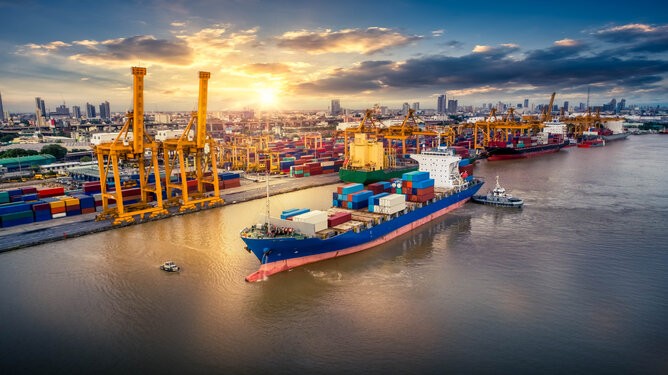
Mexico’s close proximity to the U.S. gives contract manufacturing in Mexico significant logistical advantages. Land shipping routes reduce freight costs and lead times, enhancing responsiveness. For many U.S.-bound products, manufacturing closer to home makes both financial and environmental sense.
Integrated Supply Chain Ecosystem
Mexico has matured its manufacturing ecosystem to rival global peers. The country hosts vertical supply chains—from raw materials to high-end assemblies—with reliable quality and depth. Industries such as automotive, electronics, aerospace, and medical devices increasingly use contract manufacturing in Mexico to integrate production networks
Skilled Workforce and Technological Readiness
Mexico’s workforce is evolving rapidly. Technical schools and universities are supplying skilled workers trained in advanced manufacturing protocols. This focus on talent enhances quality and efficiency in contract manufacturing in Mexico. Additionally, the rise of advanced manufacturing and smart factory technologies positions Mexico to continue upgrading its contract manufacturing capabilities
Trade Policies Amplifying the Advantage
USMCA Benefits
Under the USMCA, many goods manufactured in Mexico qualify for duty-free treatment, reducing landed costs and making contract manufacturing in Mexico attractive for U.S. bound exports.
IMMEX and Maquila Decree
Programs like IMMEX allow materials and equipment to be imported tariff-free for processing and re-export, enhancing budget certainty and operational ease.
Legal and Trade Stability
Despite global trade volatility, Mexico’s trade framework continues to provide manufacturers with confidence in policy predictability and regional integration.
Real-World Example: Automotive Joint Venture
A notable case is the COMPAS plant in Aguascalientes, a $1 billion joint venture between Nissan and Mercedes-Benz, producing luxury models under contract within Mexico’s framework. The facility demonstrates contract manufacturing in Mexico at its most advanced level—delivering millions of vehicles with high precision and integration.
Challenges & Strategic Considerations
While the advantages are clear, enterprises should address:
Tariff Uncertainty: Potential U.S. tariffs on Mexican goods introduce risk. Border regions like Ciudad Juárez have seen job losses tied to trade jitters.
Complex Compliance: Ensuring rule-of-origin compliance under USMCA is critical to maintaining trade advantages.
Rising Costs in Key Hubs: Regions like Juárez face rising wages and legal complexities, which can affect cost leadership.
Operational Oversight: Maintaining quality and oversight requires robust partner management and QA systems.
Conclusion: A Rising Star in Global Manufacturing
The rise of contract manufacturing in Mexico in 2025 is not just a trend—it’s a strategic shift. With competitive costs, nearshoring advantages, policy incentives, and upgrading technological capacity, Mexico offers a compelling platform for manufacturers seeking resilient and scalable global operations.
Corporations aiming to optimize supply chains, reduce risks, and improve turnaround will find that Mexico is not just a viable option—it may well be the most strategically sound one.