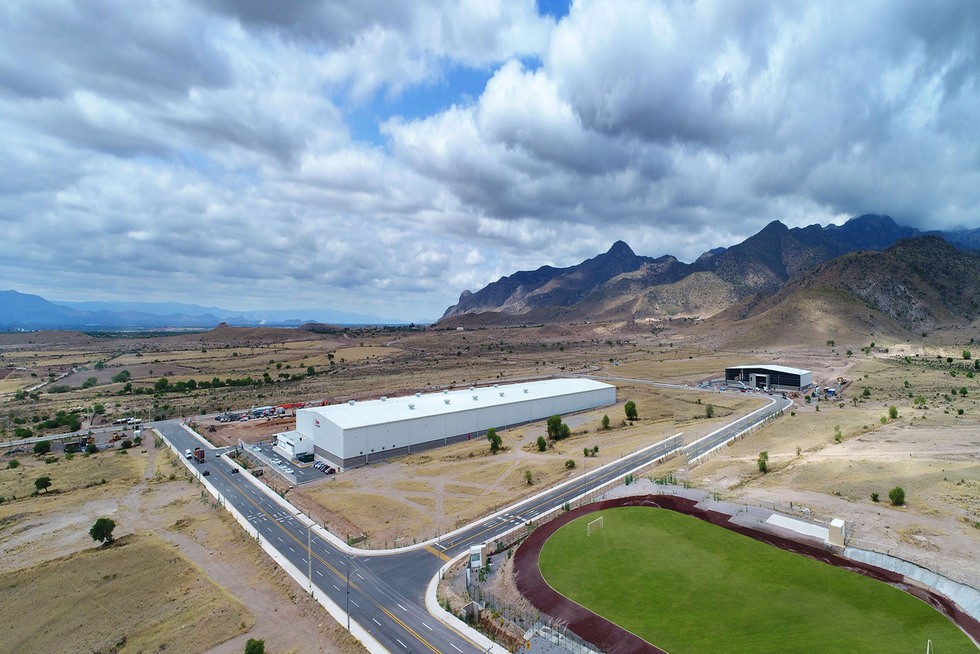
Why Mexico is Emerging as a Global Hub for Textile Contract Manufacturing
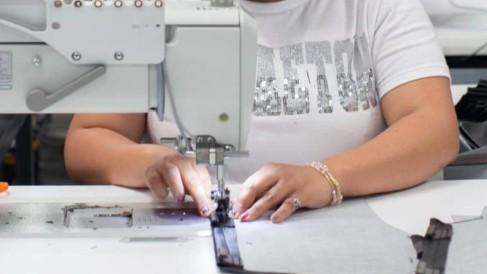
Introduction: A New Chapter for Textile Contract Manufacturing in Mexico
In 2025, textile contract manufacturing in Mexico is entering a transformative era. Driven by cost advantages, evolving global supply chains, and proximity to the U.S. market, Mexico has become a leading destination for textile and apparel production. The country’s textile industry is not only growing but also diversifying into advanced fabrics, industrial applications, and sustainable manufacturing.
If your company is exploring outsourcing textile production, understanding Mexico’s value proposition in this sector is essential. This blog outlines the key benefits, current trends, export data, and industrial hotspots that make Mexico a textile manufacturing powerhouse.
Historical Strength and Strategic Growth
Textile manufacturing in Mexico has deep roots dating back to the 1800s, but it’s the last two decades that have seen exponential modernization. The country has transitioned from a basic textile exporter to a supplier of technical textiles, performance fabrics, and apparel for the automotive, aerospace, and medical sectors.
According to the Secretaría de Economía, Mexico is the top exporter of textiles and apparel to the United States from Latin America, with exports exceeding USD $7 billion annually. These numbers are backed by 2025 trade data, which confirm that 70% of Mexican textile exports are destined for the U.S. market.
Why Textile Contract Manufacturing in Mexico Makes Business Sense
Textile contract manufacturing in Mexico provides cost-effective, scalable, and regulation-compliant solutions for companies in need of consistent and quality output. Here are some of the biggest reasons companies choose textile manufacturing in Mexico:
1. Proximity and Faster Lead Times
Thanks to Mexico’s geographic location, companies can cut delivery times from weeks to days. Land transport across the U.S.-Mexico border typically takes between 2 to 7 days, in contrast to the 30–40 days required from Asian suppliers.
2. Labor Costs and Skilled Workforce
Mexico offers some of the most competitive labor costs in North America, with highly trained personnel in textile engineering, fabrication, and industrial sewing. The INEGI reports that over 630,000 workers are employed in the textile and apparel sector across the country.
3. USMCA Compliance and Tariff Benefits
Under USMCA rules, particularly the “yarn-forward” rule of origin, textile products manufactured in Mexico qualify for duty-free export to the U.S. and Canada—provided the entire production process occurs within the trade bloc. This framework gives Mexico a huge edge over Asian exporters.
4. Product Diversity
From cotton and synthetic blends to technical textiles used in medical and automotive sectors, Mexico’s capabilities cover a wide range of product types. Commonly exported items include:
Knitted and woven garments
Upholstery fabrics
Industrial-use textiles
Uniforms and PPE
Embroidered materials
Rayon, polyester, silk, and wool-based fabrics
Textile Production Hubs: Where Manufacturing Thrives
According to INEGI and Secretaría de Economía, the leading states for textile manufacturing in Mexico include:
Puebla: Historically the cradle of Mexico’s textile industry, focused on yarn, cotton, and fabric weaving.
Mexico State & Hidalgo: Known for traditional and technical textiles, especially with dyeing and finishing capabilities.
Jalisco: A major hub for fashion, design, and modern apparel manufacturing.
Coahuila & Nuevo León: Ideal for industrial textiles due to the proximity to the automotive and aerospace clusters.
Querétaro & San Luis Potosí: Key players in specialty fabrics and synthetic textiles.
Each of these regions offers textile-specific industrial parks, experienced labor pools, and access to raw materials and logistics infrastructure.
Contract Manufacturing Models: What to Expect
When partnering with a textile contract manufacturer in Mexico, you can expect:
Full-package manufacturing (FP): From material sourcing and pattern making to final packaging.
Cut-Make-Trim (CMT): Ideal for companies providing their own designs and fabrics.
Private Label & OEM Services: For brands needing design support, small-batch production, or rapid prototyping.
Many Mexican textile manufacturers also support lean production, just-in-time delivery, and sustainability certifications (OEKO-TEX, ISO 9001, etc.).
Trends Driving Mexico’s Textile Manufacturing Surge in 2025
Here are the top trends strengthening Mexico's textile sector in 2025:
1. Sustainable Production
Water-efficient dyeing, textile recycling, and use of organic cotton are becoming mainstream. Manufacturers are investing in circular economy practices to meet ESG standards.
2. Smart Textiles
Wearable tech, fire-retardant materials, and antimicrobial fabrics are increasingly produced for healthcare, defense, and sportswear markets.
3. Digitalization
Textile factories are adopting Industry 4.0 technologies, such as automated cutting machines, CAD design systems, and real-time quality monitoring.
Opportunities in Specialty Textile Markets
As global demand shifts toward technical and performance textiles, Mexico is well-positioned to serve these industries:
Automotive: Seat fabrics, insulation, airbags, and interior textiles.
Medical Devices: Disposable gowns, hospital linens, and antimicrobial fabrics.
Construction: Geotextiles and protective sheeting.
Aerospace: Flame-resistant fabrics and composite-reinforced textiles.
Conclusion: Textile Manufacturing in Mexico Offers Long-Term Value
Textile contract manufacturing in Mexico offers a unique combination of speed, quality, cost control, and access to North American markets. With the ongoing momentum of nearshoring trends, the country’s textile hubs are scaling up production and modernizing operations to serve both legacy and emerging industries.
Whether you're a global apparel brand or a technical fabric supplier, Mexico’s textile industry provides the infrastructure, labor, and legal framework to help you succeed.