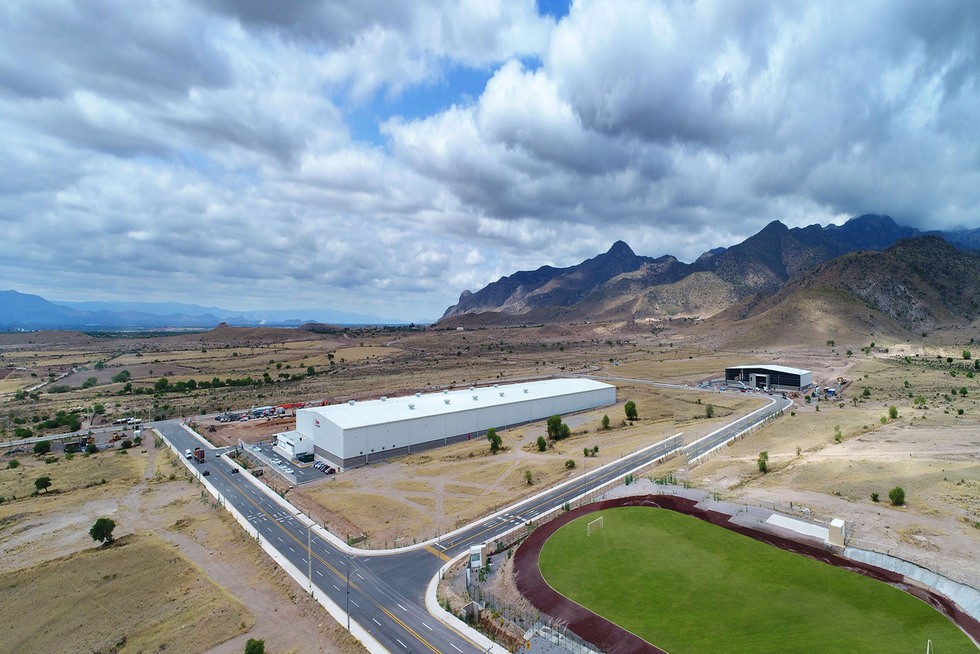
Why You Need an Industrial Real Estate Broker in Mexico: A Guide for Foreign Investors

Why You Need an Industrial Real Estate Broker in Mexico
Mexico has become one of the most attractive destinations for manufacturing, logistics, and industrial investment. However, entering the Mexican industrial real estate market is far more complex than simply finding available buildings.
For foreign companies, one of the most critical decisions is whether to work with an industrial real estate broker in Mexico.
The reality is that the market is highly fragmented, pricing can vary significantly, and local dynamics—such as land speculation, infrastructure development, and industrial clustering—are not always transparent to international investors.
An experienced broker does not just find properties. They help companies avoid costly mistakes, interpret market signals, and secure the right location for long-term success.
Understanding the Complexity of Industrial Real Estate in Mexico
The Mexican industrial real estate market is influenced by several dynamic factors that are not always visible from the outside.
These include:
- rapid industrial growth driven by nearshoring
- infrastructure projects that shift demand quickly
- local pricing inconsistencies
- land speculation in emerging industrial zones
- differences between real market value and perceived value
In many cases, property prices are not driven by current use but by expected future growth, a concept closely related to real estate speculation .
For foreign investors, this creates a major challenge:how to distinguish between real value and inflated expectations.
What Does an Industrial Real Estate Broker Actually Do?
A professional industrial real estate broker in Mexico provides far more than property listings.
Their role typically includes:
Market analysis
Understanding supply and demand across regions, including industrial hubs such as Monterrey, Tijuana, and Querétaro.
Property sourcing
Access to off-market opportunities, developer networks, and industrial parks not publicly listed.
Price validation
Evaluating whether a property is priced based on real market conditions or speculative expectations.
Negotiation support
Managing lease or purchase negotiations with local landlords and developers.
Risk mitigation
Identifying risks related to infrastructure, zoning, utilities, and long-term scalability.
In essence, the broker acts as a local strategic advisor, not just a transaction intermediary.
The Hidden Risk: Real Estate Speculation in Mexico
One of the most underestimated risks for foreign investors is real estate speculation.
Speculation occurs when properties are purchased not for immediate use, but based on the expectation that prices will increase over time .
This often happens in:
- emerging industrial corridors
- areas near new infrastructure projects
- regions expecting large manufacturing investments
The problem is that speculation can lead to:
- overpriced properties
- unrealistic return expectations
- longer negotiation cycles
- inefficient capital allocation
Without local expertise, foreign companies may unknowingly enter deals based on future assumptions rather than current market realities.
Why Foreign Companies Should Not Navigate the Market Alone
Entering Mexico’s industrial market without a broker often leads to several common mistakes:
Overpaying for industrial property
Foreign companies may rely on limited data or online listings, which do not reflect real transaction values.
Choosing the wrong location
A location may appear attractive but lack:
- labor availability
- infrastructure capacity
- supplier ecosystem
Underestimating operational risks
Issues such as power capacity, logistics access, or permitting can significantly impact operations.
Misinterpreting market trends
Rapid price increases may be driven by speculation rather than sustainable demand.
An experienced broker helps translate these complexities into clear, actionable insights.
Broker vs. Consultant: What Companies Really Need
Many companies entering Mexico assume that a broker simply facilitates transactions.
In reality, the role is much closer to a site selection advisor.
The key difference is:
A traditional broker:
- focuses on closing deals
A strategic broker / advisor:
- evaluates long-term fit
- analyzes operational requirements
- aligns real estate decisions with business strategy
For industrial projects, especially manufacturing operations, the second approach is essential.
When Does It Make Sense to Use a Broker?
Foreign companies should work with an industrial real estate broker in Mexico in the following situations:
- entering the Mexican market for the first time
- relocating production from Asia or the U.S.
- expanding manufacturing capacity
- searching for industrial land or buildings
- evaluating multiple regions simultaneously
In all these scenarios, the cost of not using a broker can be significantly higher than the cost of advisory services.
The Role of Data in Modern Brokerage
The role of brokers in Mexico has evolved significantly.
Today, successful brokers rely on:
- real-time market data
- industrial inventory analysis
- demand tracking
- pricing benchmarks
- regional economic indicators
This shift reflects a broader trend:brokers are no longer just intermediaries—they are market analysts.
As highlighted in the original analysis, the modern broker’s role is to interpret data and help clients make decisions based on real market signals, not perception .
Conclusion
Mexico offers significant opportunities for industrial investment, but the market’s complexity requires local expertise.
An industrial real estate broker in Mexico provides critical support in navigating pricing, identifying risks, and securing the right location.
For foreign investors, the question is not whether to use a broker—but which type of broker to choose.
Those who rely on data, market knowledge, and strategic insight will be best positioned to succeed in Mexico’s rapidly evolving industrial landscape.
FAQ – Industrial Real Estate Broker Mexico
Do I really need a broker in Mexico?
Yes. The market is complex, and local expertise helps avoid costly mistakes related to pricing, location, and infrastructure.
How do brokers help with industrial projects?
They provide market analysis, property sourcing, negotiation support, and risk evaluation.
Is real estate speculation a risk in Mexico?
Yes. Prices in some areas are driven by expectations rather than actual demand, making local market knowledge essential.
Are brokers only for leasing?
No. Brokers support leasing, acquisitions, site selection, and industrial expansion strategies.